Articles

20 Years Of Painting Eldar/Aeldari - Warhammer 40k

By Manul Chandilla

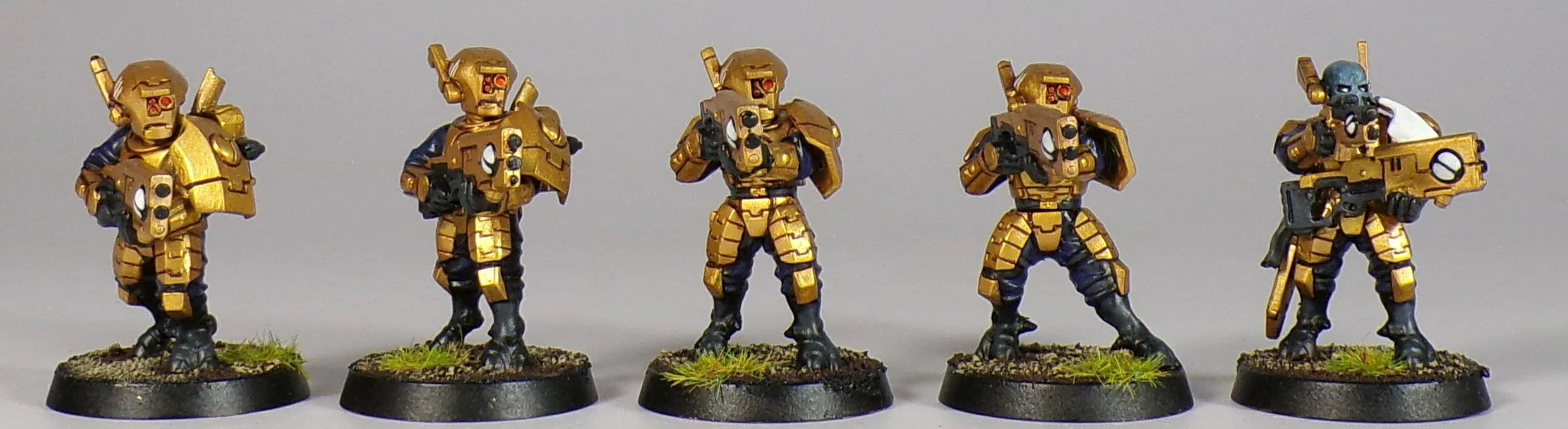
Few factions in the world of Warhammer 40k combine elegance, speed, and ancient mysticism quite like the Aeldari (Also known as Eldar). Once the dominant civilization in the galaxy, the Aeldari are now a fractured race, with each faction following its own path in the struggle for survival. From the disciplined warriors of the Craftworlds to the sadistic raiders of the Drukhari and the enigmatic Harlequins, the Aeldari range offers an incredible variety of miniatures, each with its own distinctive style and character. Over the years, we at PaintedFigs Miniature Painting Service had the opportunity to work on a wide range of Aeldari miniature painting commissions, with every project presenting its own unique challenges and creative opportunities.

At PaintedFigs Miniature Painting Service, one of the things we've always appreciated about Warhammer 40k Eldar miniature painting is the balance between precision and creativity. Their sleek armour, intricate details, elegant weapons, and vibrant colour schemes reward careful brushwork while allowing plenty of room for personalization. Through our years of providing Warhammer 40k painting commissions, we've painted everything from classic Craftworld Aeldari armies to customized character models and striking centerpiece miniatures. This article explores some of the Eldar projects we've painted over the years and the techniques and artistic approaches we used to bring these ancient warriors to life on the tabletop.

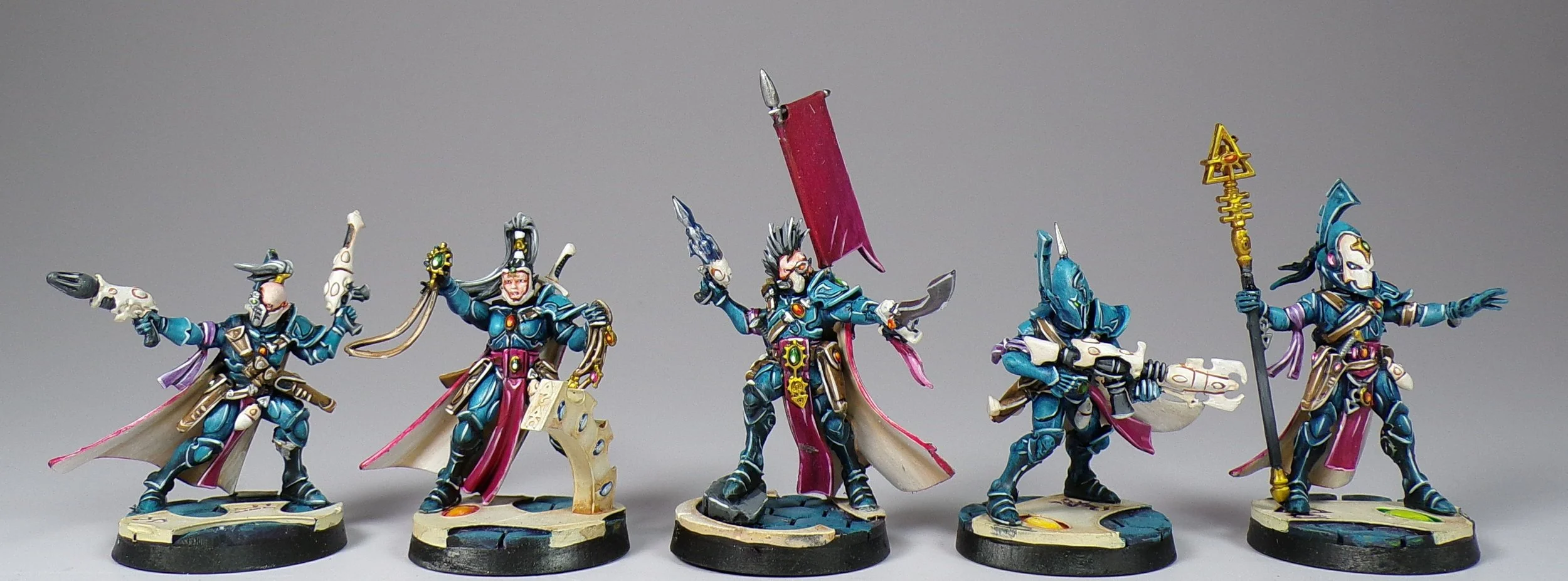
Voidscarred Corsairs: Wandering Outcasts with a Custom Identity

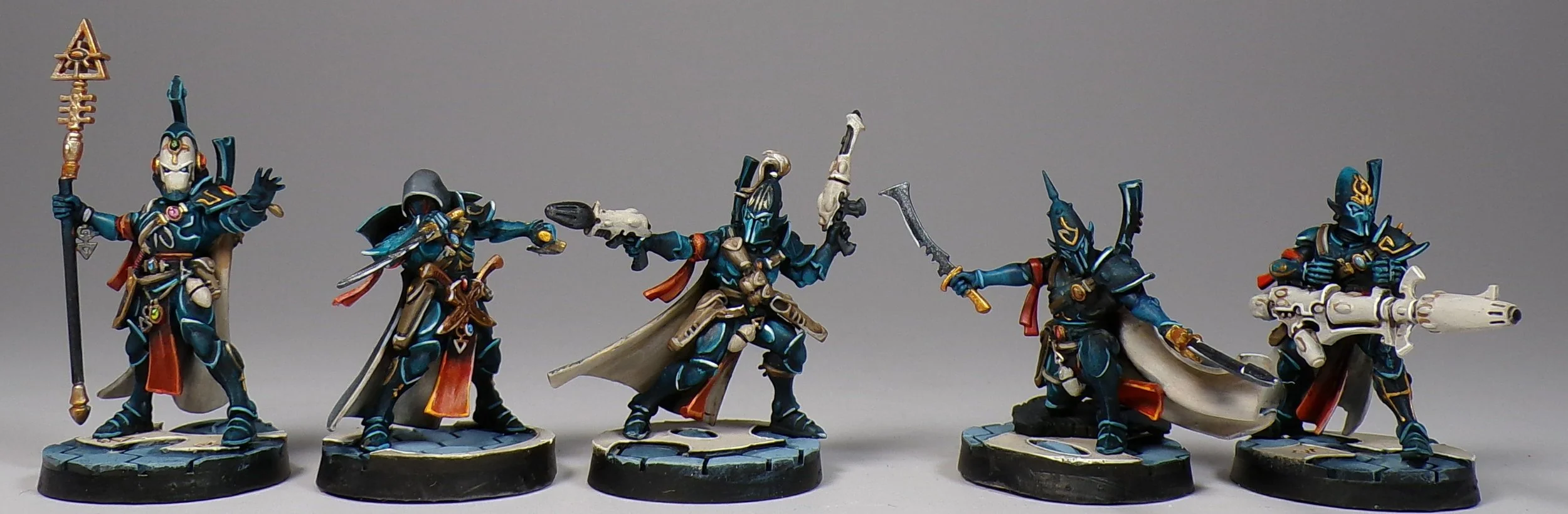
Among the many forces that make up the Aeldari race, the Voidscarred Corsairs occupy a unique place within the lore. Neither bound by the rigid discipline of the Craftworlds nor consumed by the cruelty of the Drukhari, Corsairs are independent wanderers who carve their own paths across the galaxy. Their eclectic equipment, flowing robes, and ornate wargear make them some of the most characterful miniatures in the Warhammer 40k Eldar range. One of our favourite Aeldari miniature painting commissions involved a squad of Voidscarred Corsairs painted in a custom colour scheme for our company founder, Navin Weeraratne, allowing us to move away from established lore while still preserving the elegant aesthetic that defines the faction.

Rather than following one of the traditional Craftworld palettes, this project centered around rich teal armour paired with striking magenta cloaks that gave the force its own visual identity. The smooth armour panels were layered to create soft transitions and crisp edge highlights, while the vibrant cloaks provided a strong contrast that helped each miniature stand out on the tabletop. Ivory helmets and weapons were accented with subtle gemstone details, gold embellishments, and leather accessories, creating a balanced colour palette that felt both refined and adventurous. The clean cream-coloured bases also complemented the scheme without distracting from the intricate details of the miniatures themselves.

Projects like these are always a reminder of how rewarding custom Warhammer 40k miniature painting can be. The Voidscarred Corsairs are already among the most dynamic kits in the Aeldari range, with flowing capes, expressive poses, and an impressive variety of weapons and equipment. Working on a bespoke scheme allowed us to emphasize those sculpted details while creating an army that felt unique to its owner. It's this combination of technical precision and creative freedom that continues to make Eldar painting commissions some of the most enjoyable projects we work on.

If you’d like to see more, check the gallery below:

https://photos.app.goo.gl/a7NTWFfEGXnEGLri8

Craftworld Biel-Tan: The Swordwind Marches Again

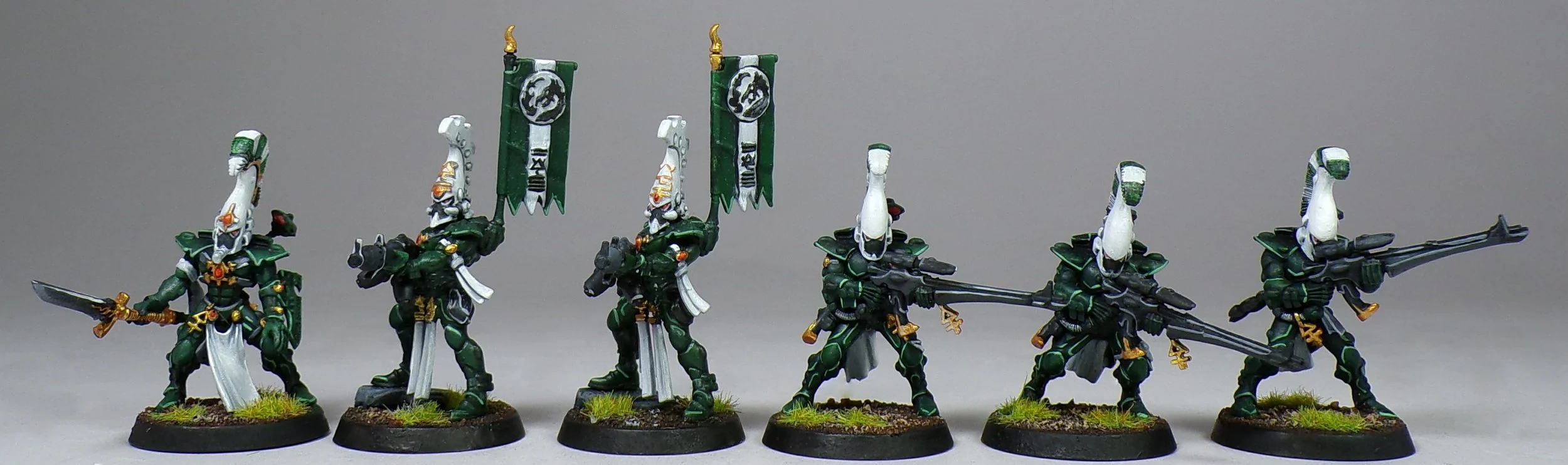
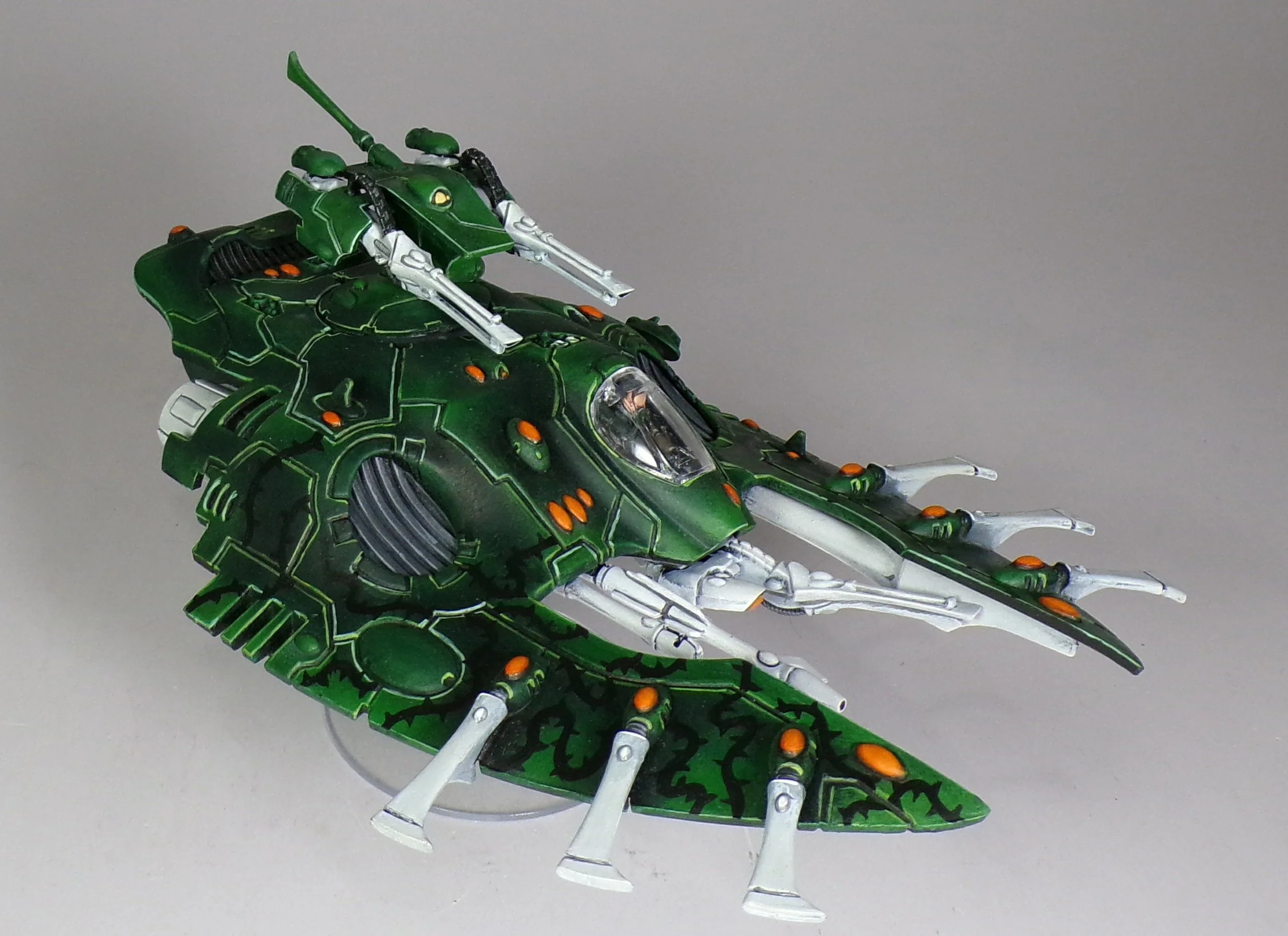
Among the many Craftworld Aeldari, Biel-Tan remains one of the most iconic. Fiercely devoted to restoring the former glory of the Eldar Empire, Biel-Tan is renowned for its disciplined Swordwind warhosts and its preference for overwhelming foes with trained Aspect Warriors. Their unmistakable combination of deep green armour, crisp white helmets, and elegant thorn-inspired iconography has made them a favourite among collectors for decades. Over the years, PaintedFigs Miniature Painting Service has completed several Warhammer 40k Aeldari painting commissions inspired by this legendary Craftworld, including one sizeable army project that showcased the timeless appeal of the Biel-Tan colour scheme.

One of the defining features of this commission was the consistency required across a large collection of miniatures. Biel-Tan's palette relies on clean, smooth finishes, making careful layering and precise edge highlighting essential throughout the army. Rich emerald armour formed the foundation of each model, contrasted by bright white helmets that identified them as warriors of Biel-Tan. Dark weapon casings, subtle gemstone details, and applied gold accents added visual interest without distracting from the army's clean, disciplined appearance. The natural grass basing completed the force, providing a simple backdrop that complemented the organic aesthetic often associated with the Aeldari.

Although the army consisted of many different units, maintaining visual cohesion remained one of the project's primary goals. Us at PaintedFigs Miniature Painting Service knew that every miniature needed to feel like part of the same fighting force while still allowing the individual sculpts to stand out. The flowing armour plates, elegant helmets, and sleek weapon designs found throughout the Eldar miniature range reward careful brush control, and projects of this scale require close attention to consistency from the first model through to the last. Large Warhammer 40k miniature painting commissions such as this highlight the importance of balancing efficiency with precision, when working with an army known for its refined appearance.

At PaintedFigs Miniature Painting Service, projects like this continue to demonstrate why Craftworld Aeldari painting remains one of our favourite areas of the hobby. Biel-Tan armies possess a striking visual identity that combines simplicity with elegance, rewarding clean execution and attention to detail at every stage of the painting process. Whether we're working on a handful of miniatures or an entire Eldar army painting commission, our goal is always to create a force that remains faithful to the lore while delivering a cohesive collection that looks impressive both on the tabletop and on display.

If you’d like to see more, check the gallery below:

https://photos.app.goo.gl/UP4RfLubd66RMkUZ7

An Aeldari Combat Patrol: A Showcase of Craftworld Ulthwe

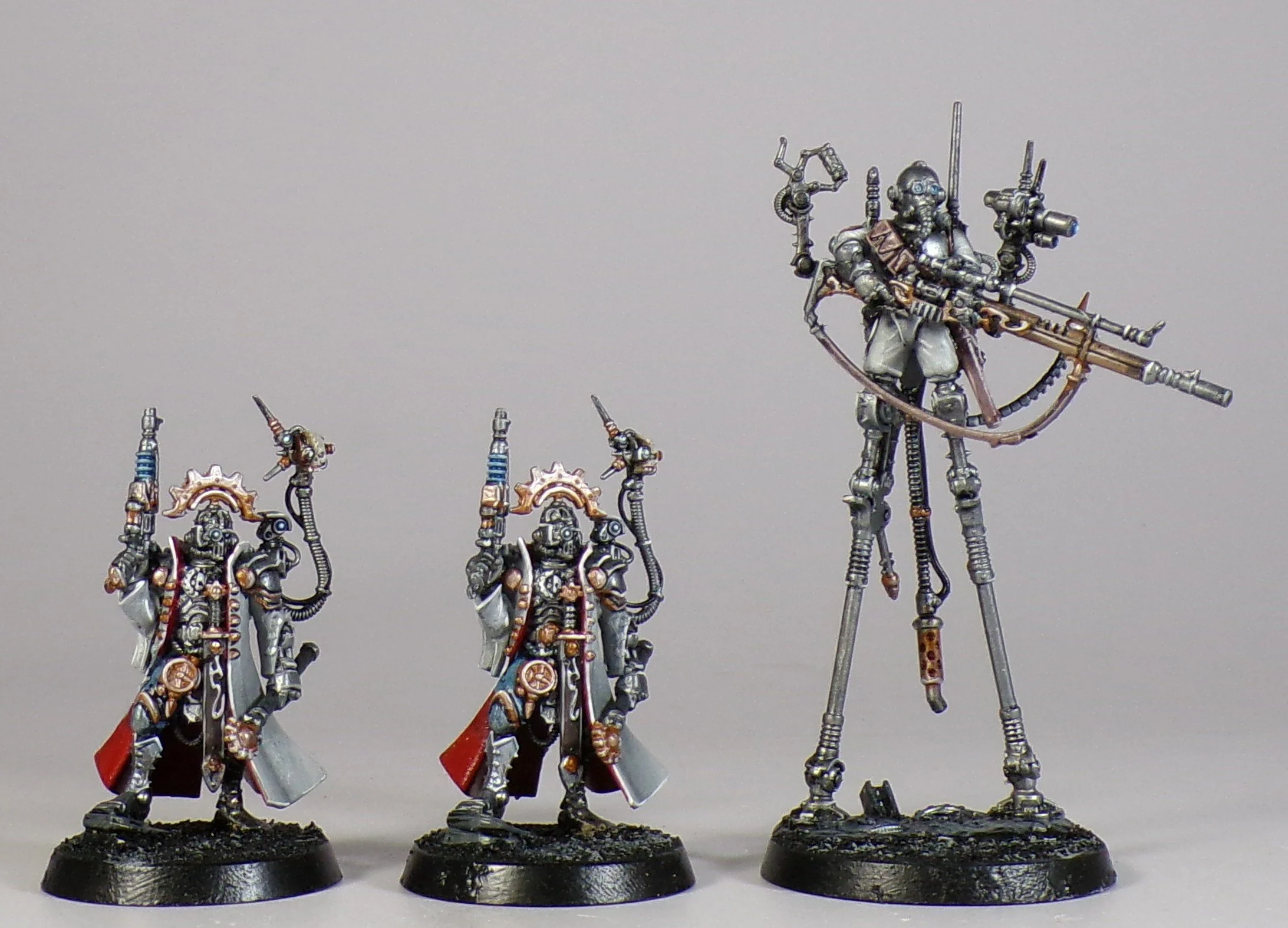
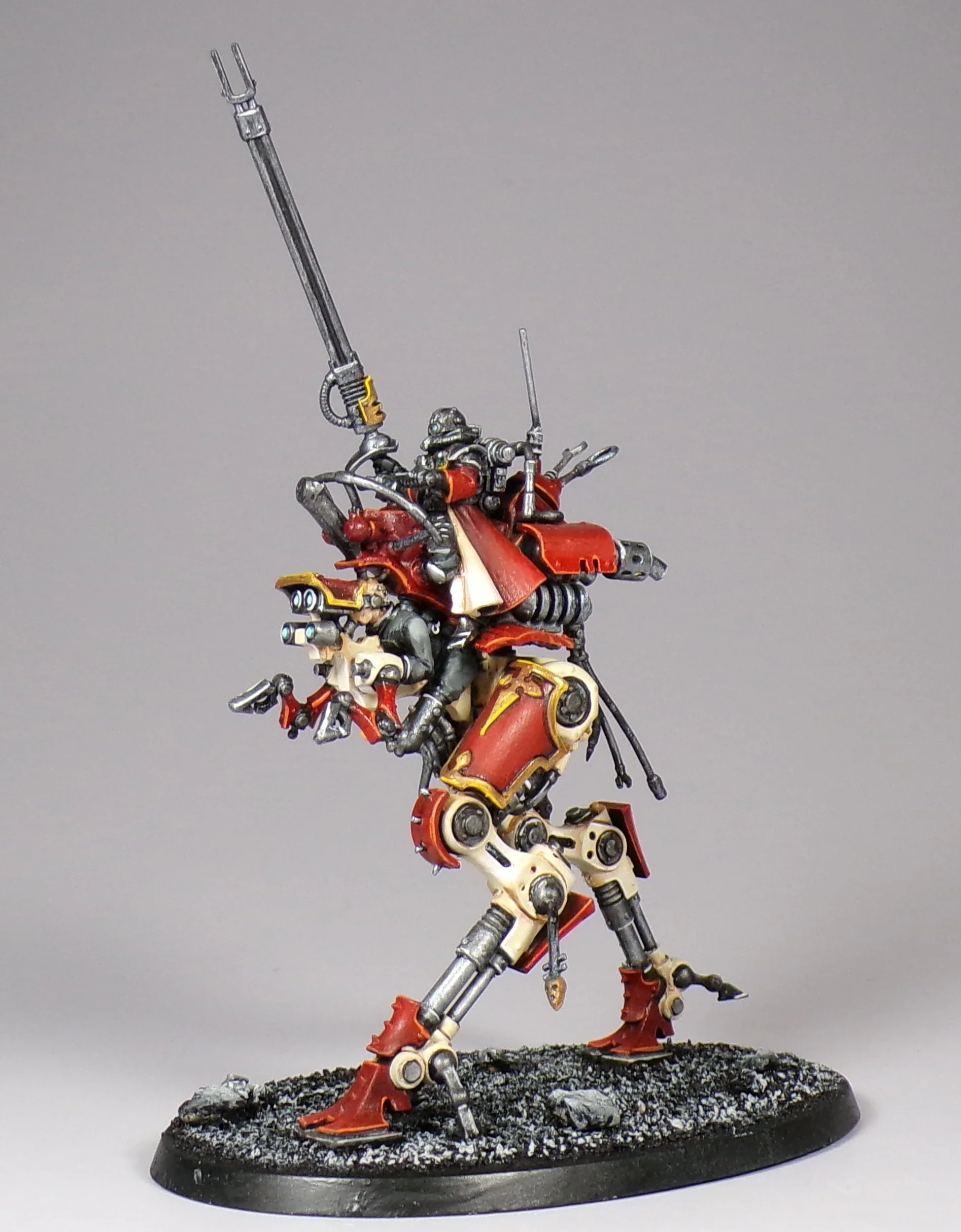
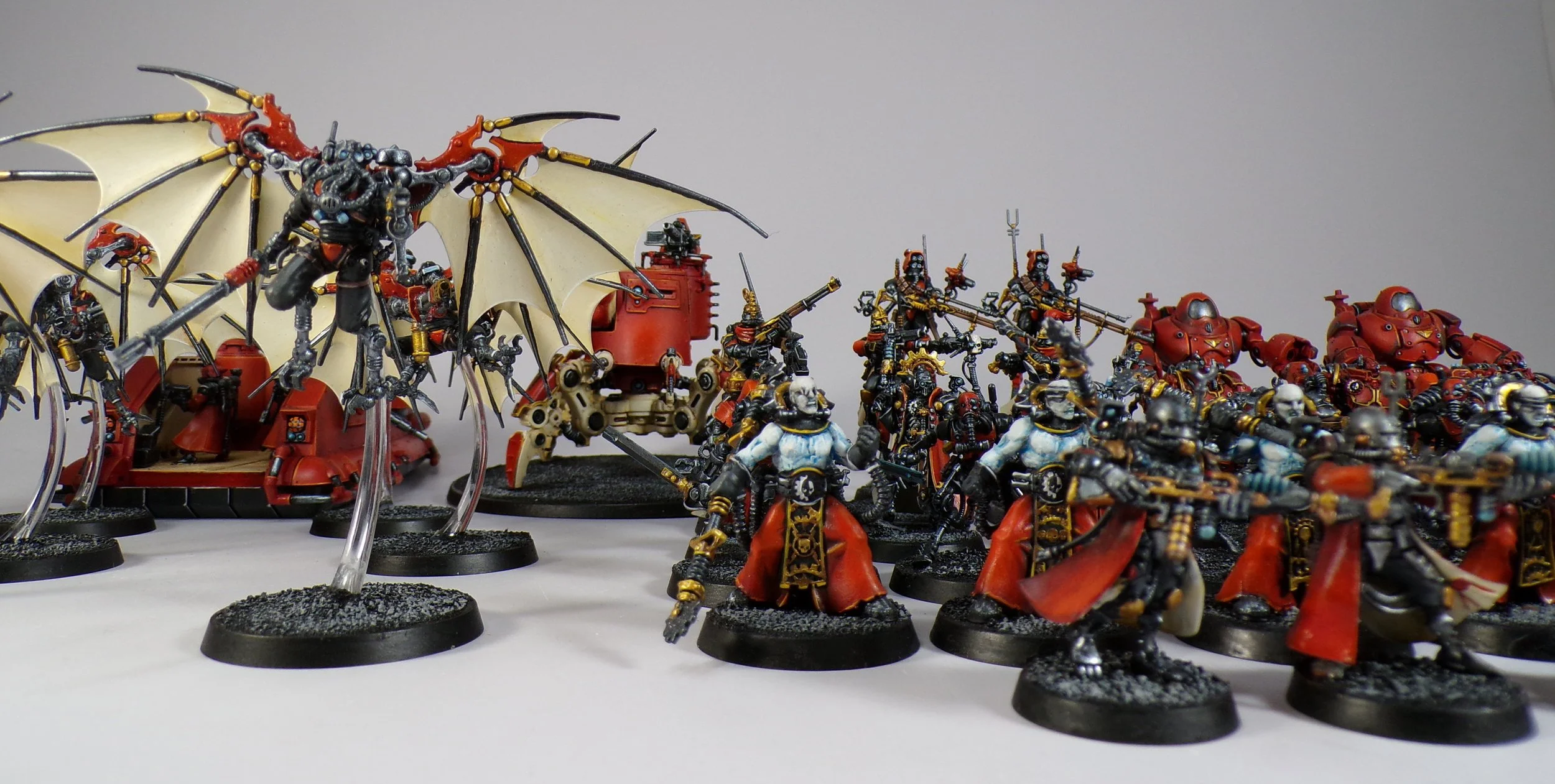
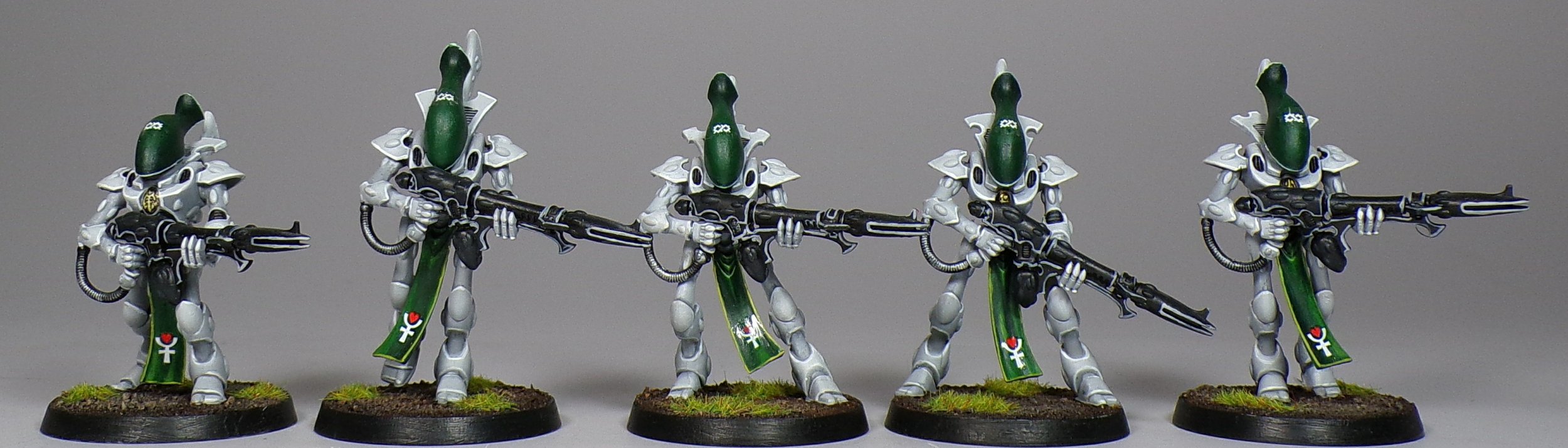
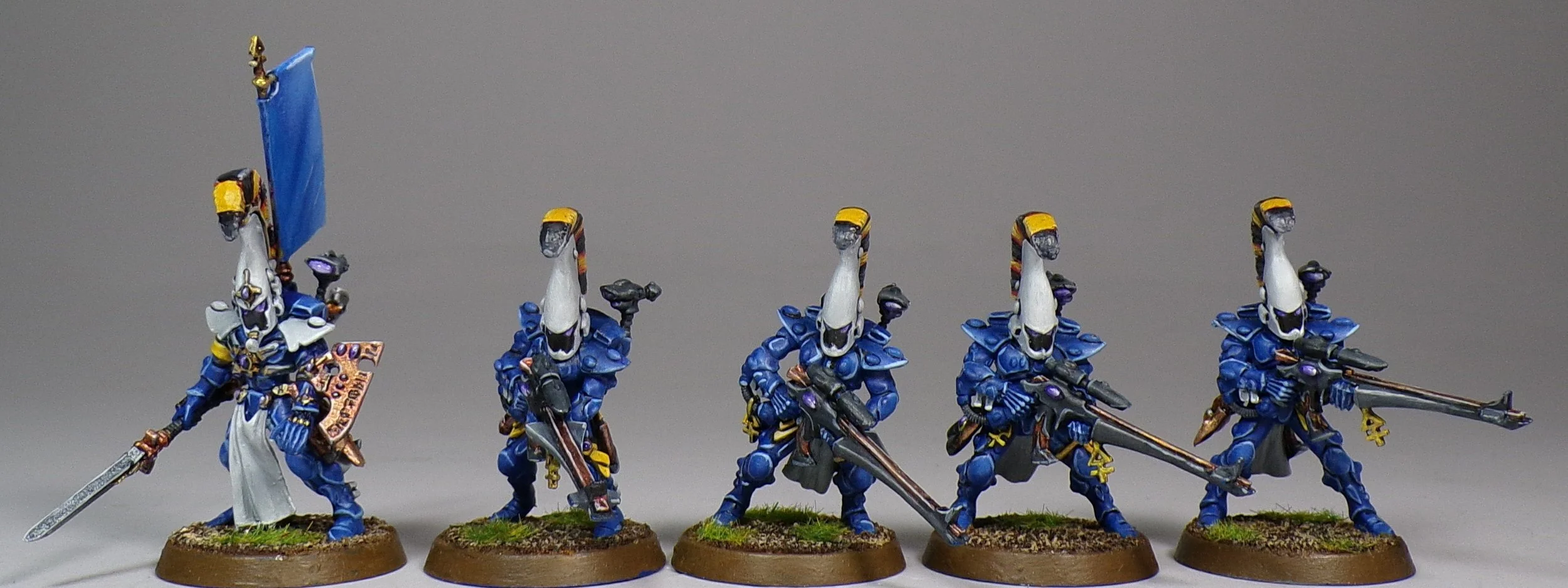
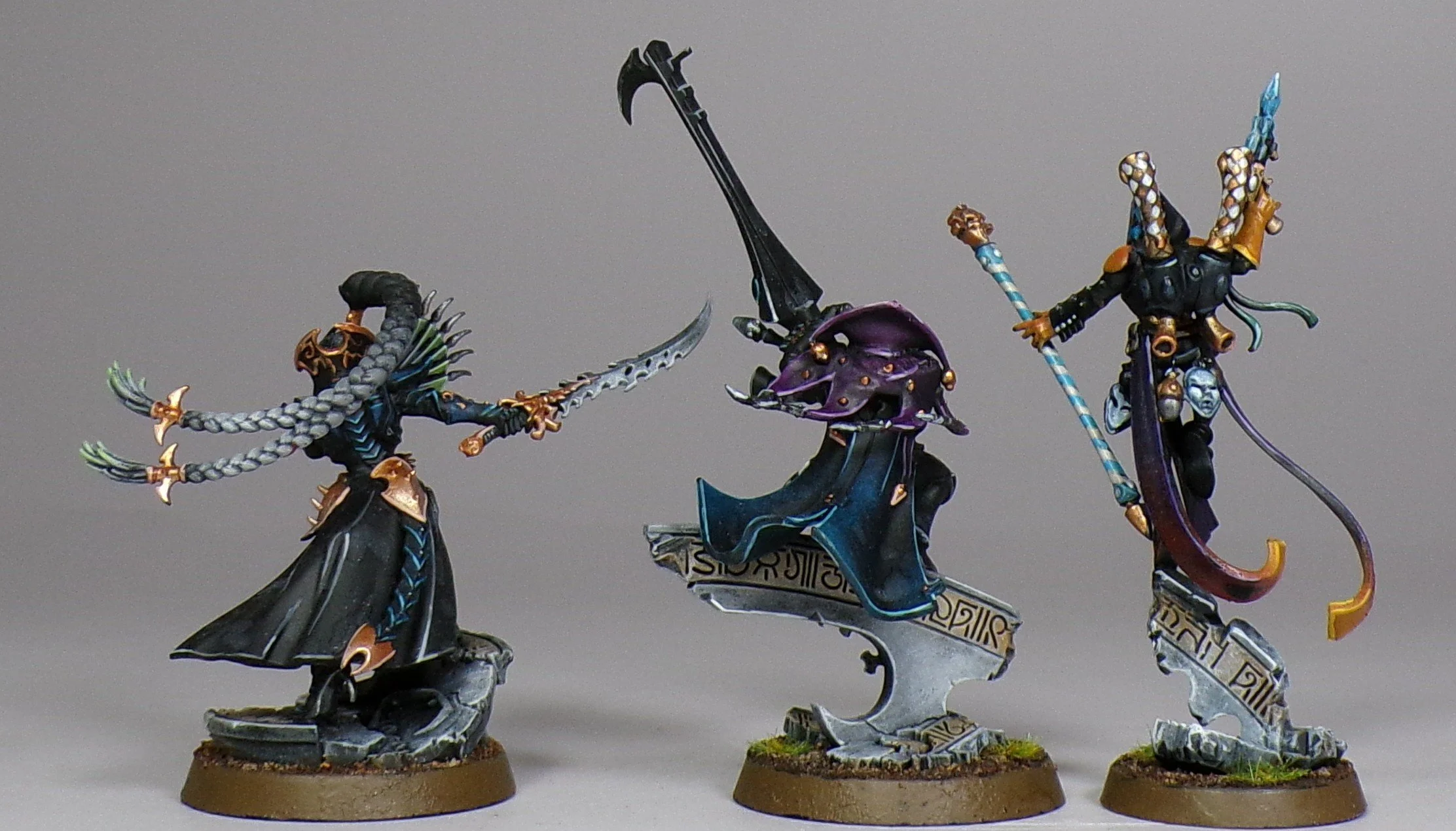
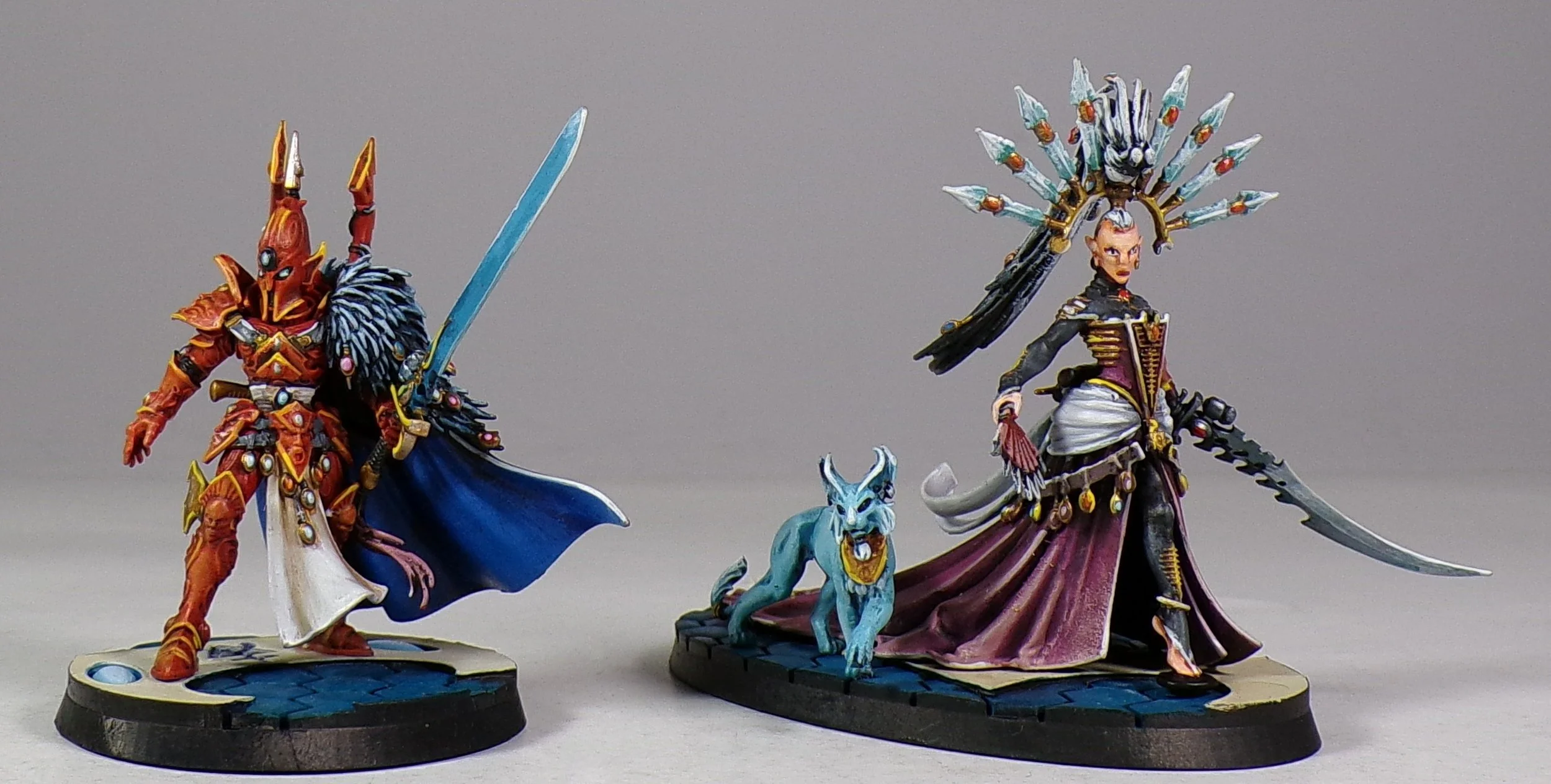
One of the most enjoyable aspects of working on Eldar miniature painting commissions is the opportunity to paint multiple units that each possess their own distinct visual identity. This particular Warhammer 40k Combat Patrol commission brought together a varied collection of classic Aeldari miniatures, including Guardians, Wraithblades, Spiritseer, Farseer, support weapons, and towering Wraith constructs. The Combat Patrol is painted in the scheme of the Craftworld Ulthwe, while Aspect Warriors retained their unique colors. At PaintedFigs Miniature Painting Service, projects like these provide the perfect opportunity to explore the diversity that makes Craftworld Aeldari such a rewarding faction to paint.

The Guardians were divided between striking blue and deep crimson armour, creating two recognizable squads while maintaining a cohesive appearance through consistent basing and shared white helmets. The Spiritseer and Farseer introduced additional elegance through flowing robes, ornate armour, and painted runes, while subtle gold accents helped reinforce their status as leaders of the warhost. Every gemstone, spirit stone, and decorative detail was picked out to preserve the refined aesthetic that has become synonymous with Warhammer 40k Eldar.

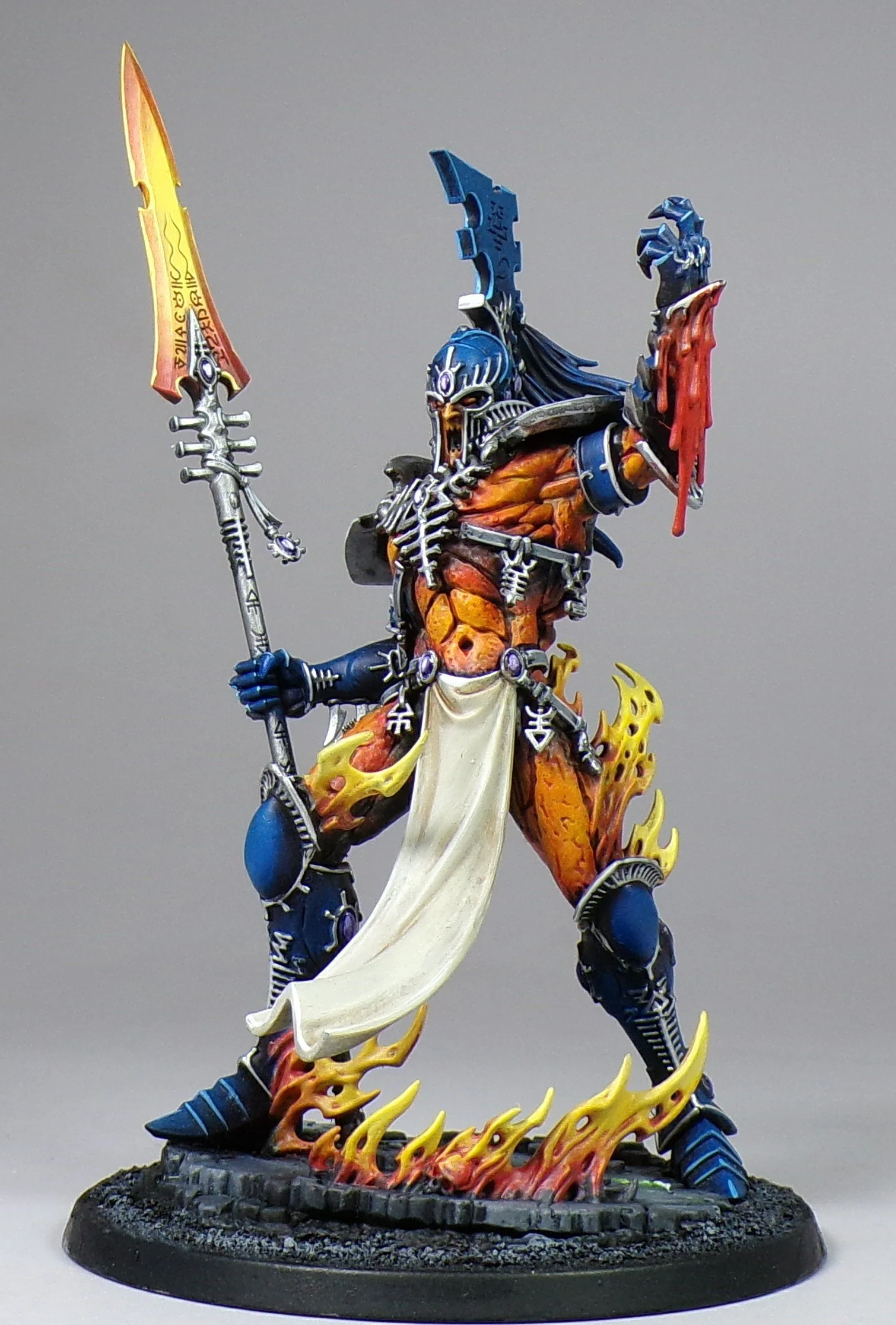
Standing behind the infantry, the imposing Wraithblades became natural centrepieces for the collection. Their dark armour contrasted against their smooth ivory helms, while the glowing spirit stones and rich crimson tabards added just enough colour to tie them visually to the rest of the army. The larger surfaces of the Wraith constructs allowed for smooth blending and crisp edge highlights, emphasizing the elegant curves that define Aeldari design. Painting these towering warriors required balancing subtle weathering with the clean finish expected of an ancient and advanced race, making them one of the standout elements of the commission.

At PaintedFigs Miniature Painting Service, mixed-scheme collections like this demonstrate the flexibility that custom Warhammer 40k miniature painting can offer. While many armies follow a single established Craftworld, combining multiple palettes allows collectors to celebrate different aspects of Aeldari lore without sacrificing cohesion across the force. Whether painting an individual character, a Combat Patrol, or a full Eldar army, our goal remains the same: to create miniatures that remain faithful to the spirit of the faction while delivering a striking collection that stands out both on the tabletop and in the display cabinet.

If you’d like to see more, check the gallery below:

https://photos.app.goo.gl/NNJ562vdUdF8orGH8

Harlequins: Masters of Performance and Precision

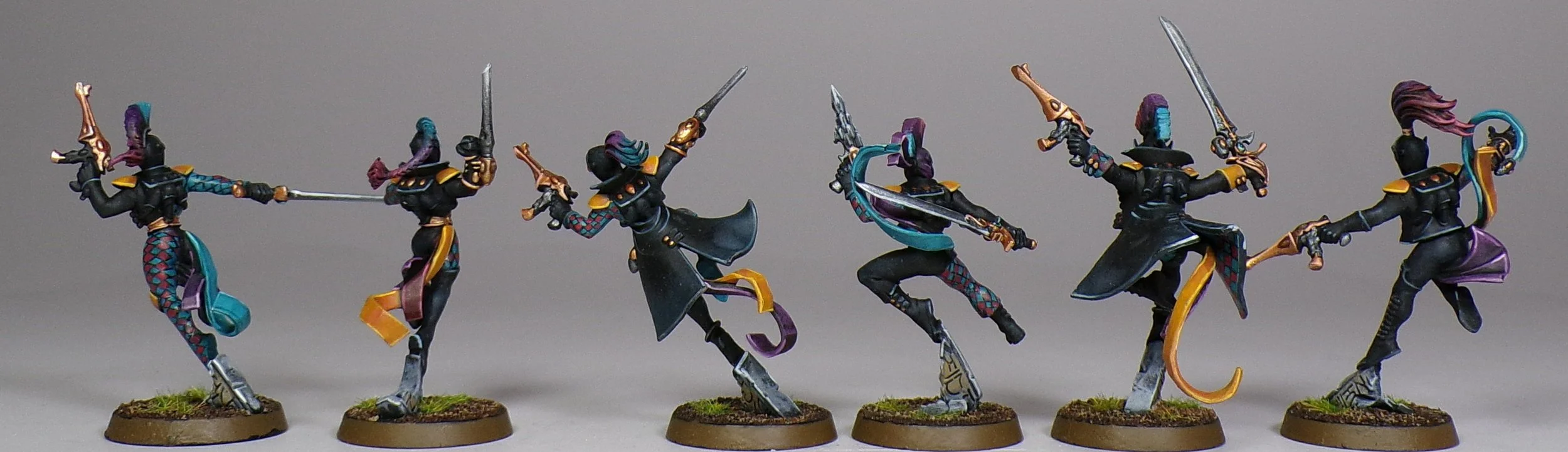
Among all the factions within the Aeldari race, few are as visually distinctive as the Harlequins. Dedicated to the Laughing God, Cegorach, these enigmatic warriors combine breathtaking acrobatics with deadly combat skill, making them one of the most unique armies in Warhammer 40k. Their elaborate costumes, vibrant colours, and intricate diamond patterns present a rewarding challenge for any Aeldari miniature painting project. As part of a larger Aeldari Combat Patrol commission, PaintedFigs Miniature Painting Service had the opportunity to paint a selection of Harlequin miniatures that allowed us to showcase some of the more advanced techniques involved in Warhammer 40k miniature painting.

Unlike many other Aeldari units, Harlequins are defined by their theatrical appearance as much as their battlefield prowess. While the sleek armour and elegant weapons still required smooth layering and crisp highlights, the true focus of this commission lay in recreating the iconic freehand designs that have become synonymous with the faction. Diamond patterns, geometric details, and carefully painted decorative elements were applied by hand across sections of the miniatures, capturing the unmistakable aesthetic that makes Harlequins instantly recognizable on the tabletop. These freehand details transformed already dynamic sculpts into striking display pieces while remaining faithful to the faction's established visual identity.

The commission also included Harlequin vehicles, providing even greater opportunities for intricate freehand work. The sweeping hulls and large armour panels served as ideal canvases for the signature diamond motifs and flowing patterns traditionally found on Harlequin transports. Every line had to remain clean and symmetrical while following the graceful curves of the vehicles, requiring patience and careful planning throughout the painting process. Combined with vibrant colours, polished gemstones, and subtle highlights, the finished vehicles embodied the elegance and spectacle that define the Harlequins both in the lore and on the battlefield.

At PaintedFigs Miniature Painting Service, projects like these demonstrate why Harlequin painting commissions remain some of the most technically rewarding in the Warhammer 40k hobby. Freehand painting demands a different approach from traditional miniature painting, rewarding precision, steady brush control, and careful composition. Whether we're painting Harlequin Kill Teams, individual characters, elegant grav-vehicles, or complete Aeldari armies, our goal is always to preserve the intricate artistry that defines these legendary performers while delivering professional Warhammer 40k painting commissions that stand out on both the tabletop and in the display cabinet.

Craftworld Iyanden: Honouring the Dead

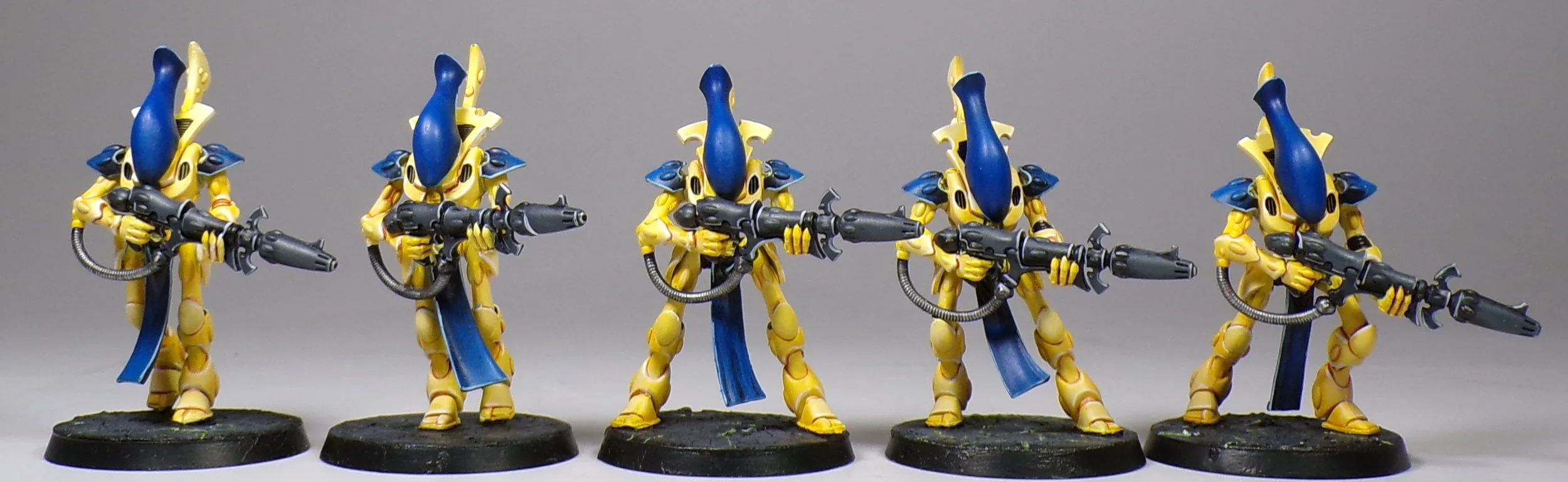
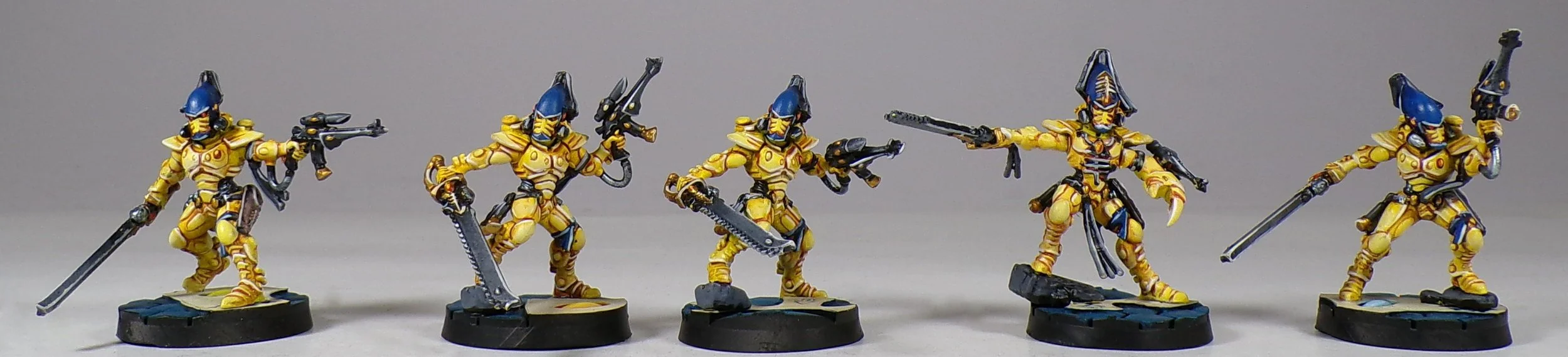
Few Craftworld Aeldari are as recognizable as Iyanden. Famous for its striking yellow and blue colour scheme, Iyanden is also known for the tragic history that shaped it. After suffering devastating losses during the Tyranid invasion of Hive Fleet Kraken, the Craftworld came to rely on Spiritseers and Wraith constructs to defend its people. This rich lore makes Iyanden one of the most distinctive armies in Warhammer 40k, combining vibrant colours with some of the faction's largest and most imposing models. At PaintedFigs Miniature Painting Service, we've had the opportunity to complete an Iyanden Eldar painting commission that captured both the elegance and resilience that define this legendary Craftworld.

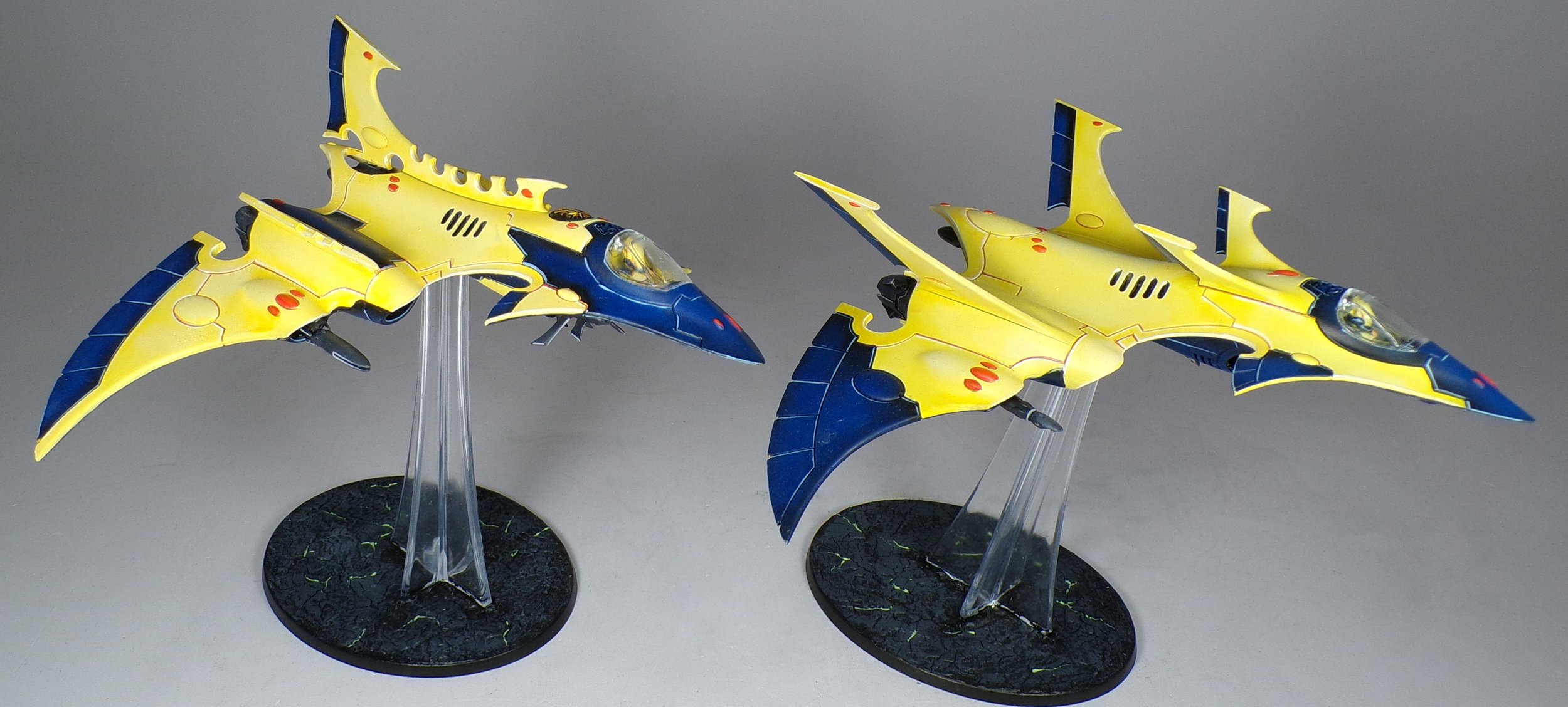
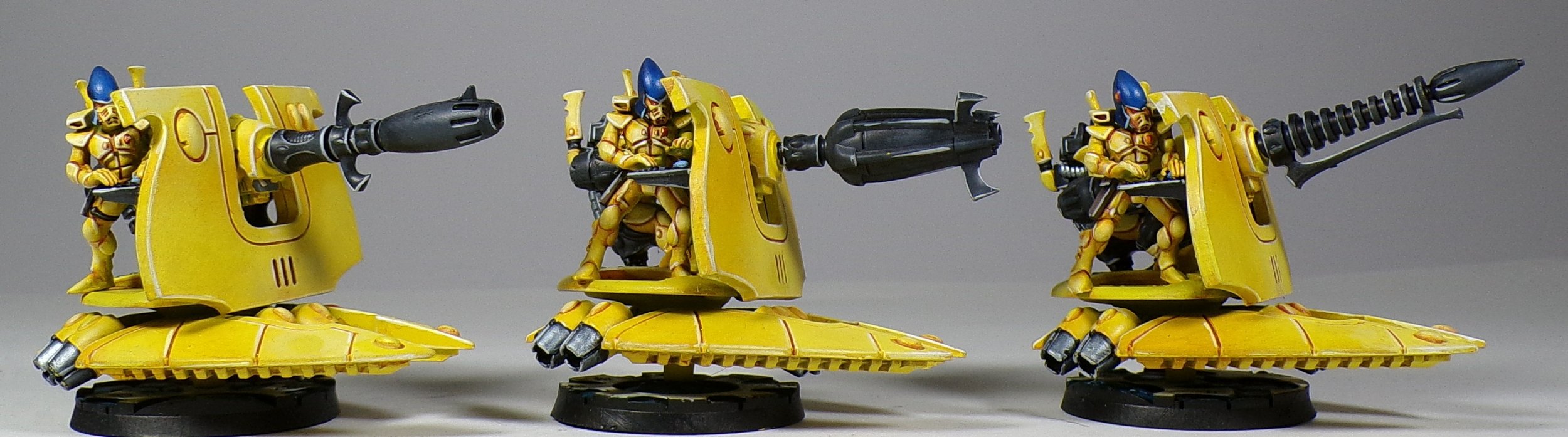
The commission featured a balanced force made up of Guardians, towering Wraith units, and sleek Aeldari aircraft, all painted in Iyanden's unmistakable palette. The bright yellow armour required careful layering to achieve a smooth, even finish across every model, while the rich blue helmets, shoulder panels, and cloth elements created the strong contrast that has become synonymous with the Craftworld. Small red spirit stones and dark weapon casings added additional points of interest without overwhelming the clean aesthetic, allowing each miniature to remain recognizable as part of an Iyanden warhost.

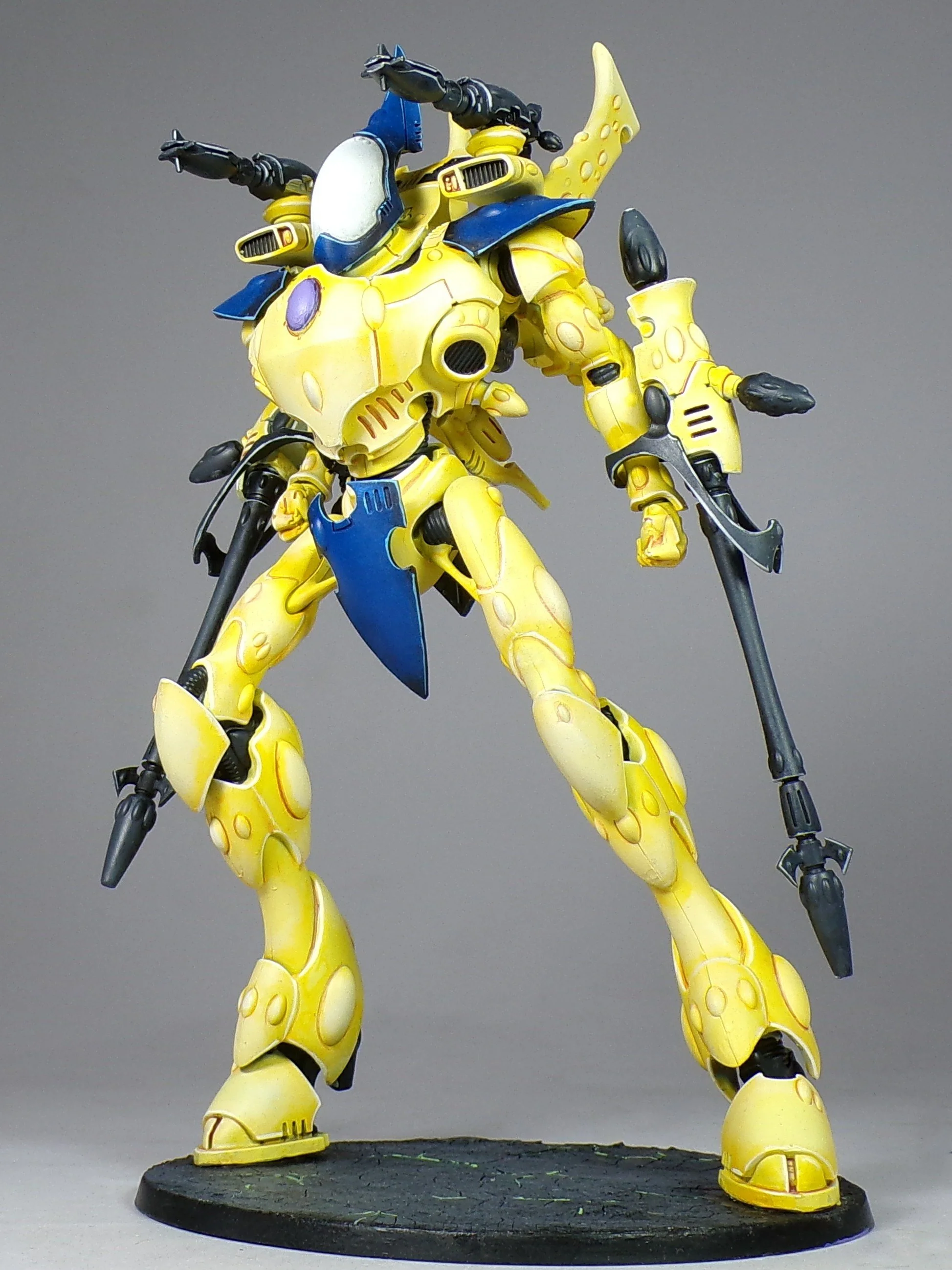
The larger centrepiece models presented their own unique challenges. The towering Wraith construct became the focal point of the army, with its broad armour panels showcasing smooth blends and crisp edge highlights that emphasized the graceful curves of Aeldari design. Alongside it, the elegant grav-tanks demonstrated another hallmark of Warhammer 40k miniature painting—large uninterrupted surfaces that demand precision and consistency. Their sweeping hulls and distinctive fins allowed the yellow and blue scheme to flow across the vehicles, creating impressive centrepieces that complemented the infantry while maintaining a unified appearance across the collection.

At PaintedFigs Miniature Painting Service, projects like this highlight why Aeldari miniature painting commissions continue to be some of our most rewarding work. Every Craftworld Iyanden army combines elegant sculpting, vibrant colour palettes, and iconic lore, offering countless opportunities to showcase careful brushwork and clean execution. Whether painting Guardians, Wraith constructs, or iconic Aeldari vehicles, our approach remains focused on delivering cohesive Warhammer 40k painting commissions that stay true to the character of each Craftworld while creating armies that look impressive on the tabletop and in a display cabinet.

If you’d like to see more, check the gallery below:

https://photos.app.goo.gl/K7HLkTUEqxdGvX386

A Larger Iyanden Warhost: Precision Through Consistency

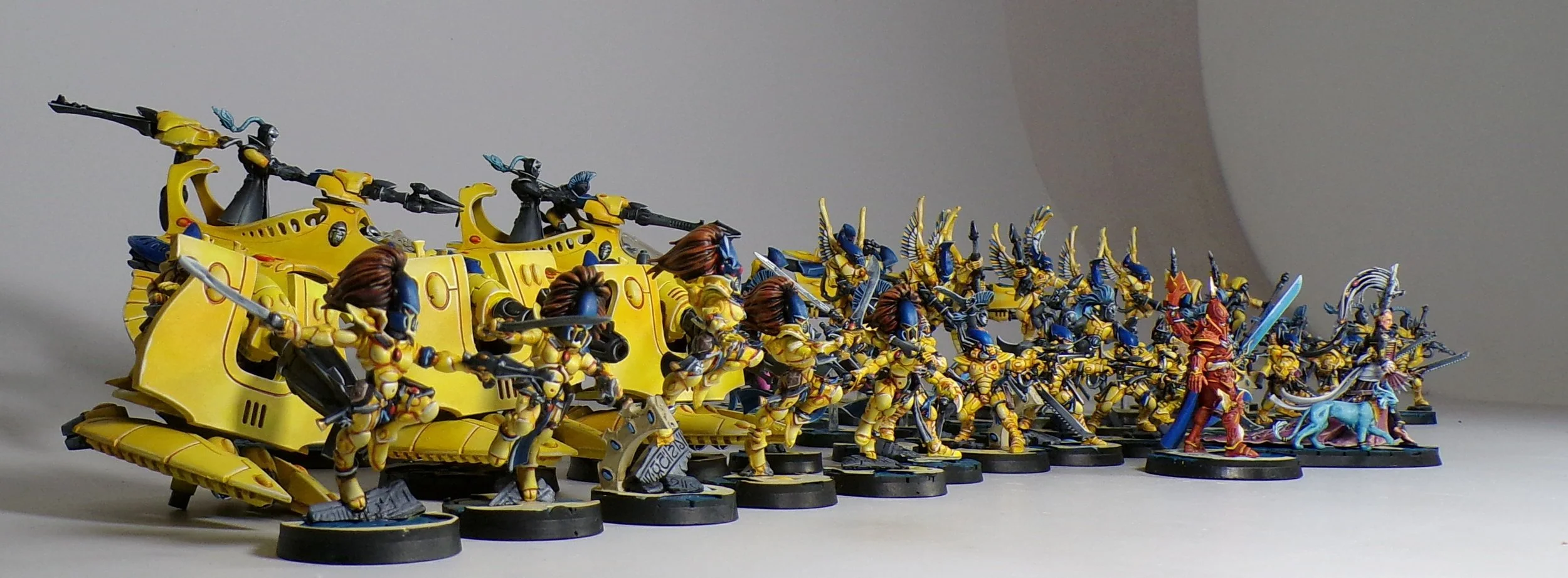
One of the largest Craftworld Iyanden commissions we've completed at PaintedFigs Miniature Painting Service involved painting an expansive Eldar force that captured the unmistakable appearance of this iconic Craftworld across a wide variety of units. From disciplined Guardian squads and elegant Aspect Warriors to imposing Wraith constructs and supporting characters, every miniature needed to reflect the bright, vibrant identity that has made Iyanden one of the most recognizable factions in Warhammer 40k. Large-scale Aeldari miniature painting commissions like this demand not technical consistency, but also careful planning to ensure the army maintains a unified appearance from the first model to the last.

One of the most interesting aspects of this project was the client's attention to detail regarding the army's signature yellow armour. Rather than requesting the standard Iyanden colour scheme, they had a very specific shade of yellow in mind and even sent us a sample miniature for reference before the project began. This gave us a clear benchmark to work towards, allowing us to match the tone, saturation, and highlights across every model in the collection. Taking the time to establish this consistency early in the project ensured that every addition to the army blended with the original reference model.

Maintaining that level of colour accuracy across a sizeable force required a disciplined approach throughout the painting process. Smooth layering, controlled highlights, and clean panel transitions became important on the broad armour plates that characterize many Craftworld Eldar miniatures. The rich blue helmets and cloth elements provided the familiar Iyanden contrast, while painted spirit stones, weapons, and gold details added subtle points of interest without detracting from the overall cohesion of the force. Although each unit featured its own distinctive sculpted details, the matched yellow armour tied the entire army together into a single, visually striking warhost.

Projects like this demonstrate one of the things we value most at PaintedFigs Miniature Painting Service: working with clients to achieve the exact vision they have for their army. Whether that means following an established Craftworld Iyanden scheme or carefully matching an existing collection, attention to detail plays an important role in every Warhammer 40k painting commission we undertake. Large Aeldari army painting projects are rewarding because they showcase how consistency, precision, and careful colour matching can transform dozens of individual miniatures into a cohesive force that looks impressive both on the tabletop and on display.

If you’d like to see more, check the gallery below:

https://photos.app.goo.gl/B5zGVhjHNUdqTfSW6

Voidscarred Corsairs: Staying True to the Official Vision

While custom colour schemes offer plenty of room for creativity, there's something satisfying about recreating the official look that first introduces players to a faction. One of our Voidscarred Corsairs commissions at PaintedFigs Miniature Painting Service followed the striking Games Workshop box art scheme, bringing the Kill Team to life as many hobbyists recognize it. With their flowing cloaks, ornate armour, and eclectic collection of weapons, the Corsairs are among the most distinctive units in the Warhammer 40k Aeldari range, making them an enjoyable challenge for any Aeldari miniature painting project.

The official scheme combines cool blue armour with rich magenta cloaks, creating a bold contrast that draws the eye. Reproducing this look required careful attention to smooth colour transitions across the sleek armour plates while ensuring the cloth retained depth and movement through subtle shading and layered highlights. Ivory helmets, pale weapons, and painted spirit stones completed the aesthetic, while small metallic details and leather accessories helped break up the vibrant colours without overpowering the overall composition. Every miniature retained its own personality thanks to the wide variety of poses, equipment, and characterful sculpted details found throughout the kit.

Although this was a Kill Team rather than a full army, the project demanded the same level of consistency expected from larger Warhammer 40k painting commissions. Each Corsair carries unique wargear, from specialist firearms and elegant blades to arcane relics and ornate equipment, meaning every model required individual attention while still remaining visually cohesive as a squad. The official colour palette also leaves little room for inconsistency, making crisp edge highlights, smooth blends, and clean detailing essential to achieving the polished appearance associated with the studio scheme.

At PaintedFigs Miniature Painting Service, commissions like this demonstrate that recreating an established colour scheme can be just as rewarding as developing a custom one. Whether a client wants an army painted to match the Games Workshop studio examples or has a original vision in mind, our approach remains the same: preserving the distinctive character of every miniature while delivering high-quality Warhammer 40k miniature painting. The Voidscarred Corsairs continue to be one of our favourite Eldar painting commissions, combining elegant sculpting, dynamic poses, and exceptional opportunities for fine detail work.

If you’d like to see more, check the gallery below:

https://photos.app.goo.gl/CVFpFKKJC3mm2PDF9

Over the years, painting a wide variety of Aeldari projects has given us the opportunity to explore one of the most elegant and visually diverse factions in Warhammer 40k. From vibrant Craftworld Iyanden armies and disciplined Craftworld Biel-Tan warhosts to custom Voidscarred Corsairs, official Corsair Voidscarred Kill Teams, and mixed Eldar Combat Patrol collections, every Warhammer 40k miniature painting commission has presented its own creative challenges and artistic opportunities. The sleek armour, intricate spirit stones, graceful vehicles, towering Wraith constructs, and iconic Aspect Warriors that define the Aeldari range continue to make every Eldar miniature painting project both rewarding and visually striking. Whether we're working on a single character model or an entire Craftworld Aeldari army, each commission allows us to explore the rich lore and timeless aesthetic that have made the Eldar one of the most beloved factions in the hobby.

At PaintedFigs Miniature Painting Service, our goal has always been to deliver professional Warhammer 40k painting commissions that remain faithful to each client's vision while respecting the unique identity of every faction. Whether that means matching an existing army, recreating an official Games Workshop colour scheme, or developing a custom Aeldari paint scheme, we approach every project with the same attention to detail and commitment to consistency. From Warhammer 40k Aeldari painting, Eldar miniature painting, Craftworld painting commissions, and Kill Team painting services, to complete Warhammer 40k army painting and custom miniature painting services, we always look forward to bringing these ancient warriors to life for collectors and players around the world.

Warhammer 40k - 20 Years Painting Tau

By Manul Chandilla

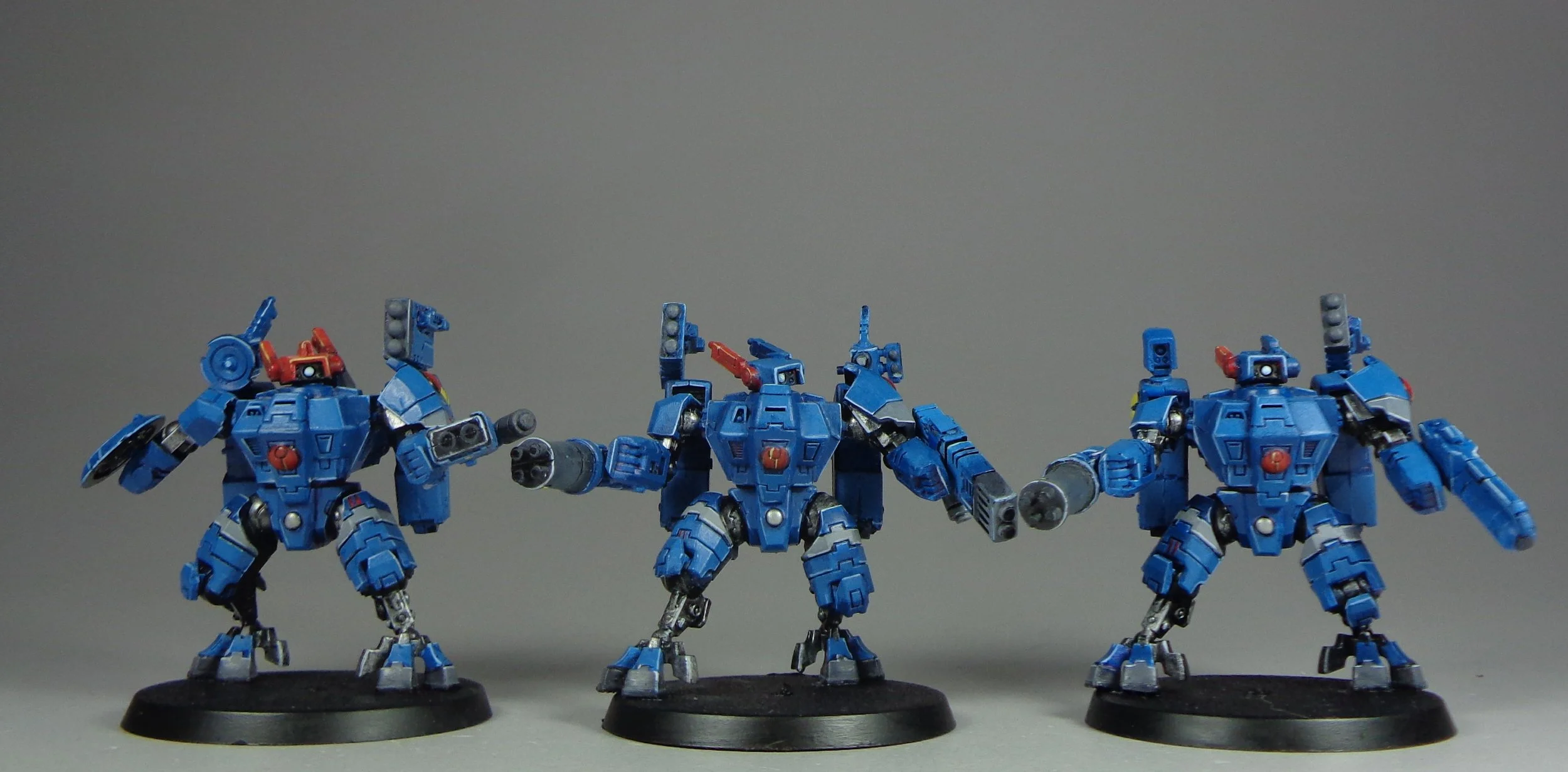
The Tau (or T’au) Empire has always stood apart in the Warhammer 40k universe. Rather than relying on ancient traditions or the corruption of Chaos, their armies are built around advanced technology, disciplined firepower, and the philosophy of the Greater Good. From sleek battlesuits and hovering vehicles to highly detailed Fire Warriors and Kroot allies, every Tau miniature presents its own unique painting opportunities. Over the years, we've had the chance to work on a wide variety of Tau painting commissions, each reflecting a different vision while staying true to the distinctive style that makes the faction so recognizable.

At PaintedFigs Miniature Painting Service, every Warhammer 40k painting commission begins with understanding what the client wants from their army. Some collectors prefer the classic Tau sept color schemes seen throughout the lore, while others commission custom armies with unique camouflage, alternate color palettes, or themed bases. In this article, we'll take a look at the different Tau miniatures we've painted over the years, exploring the approaches, techniques, and creative choices that have gone into bringing these iconic Warhammer 40k armies to life.

A Custom Army: Our Largest Tau Commission to Date

The sheer size of the order is giant!

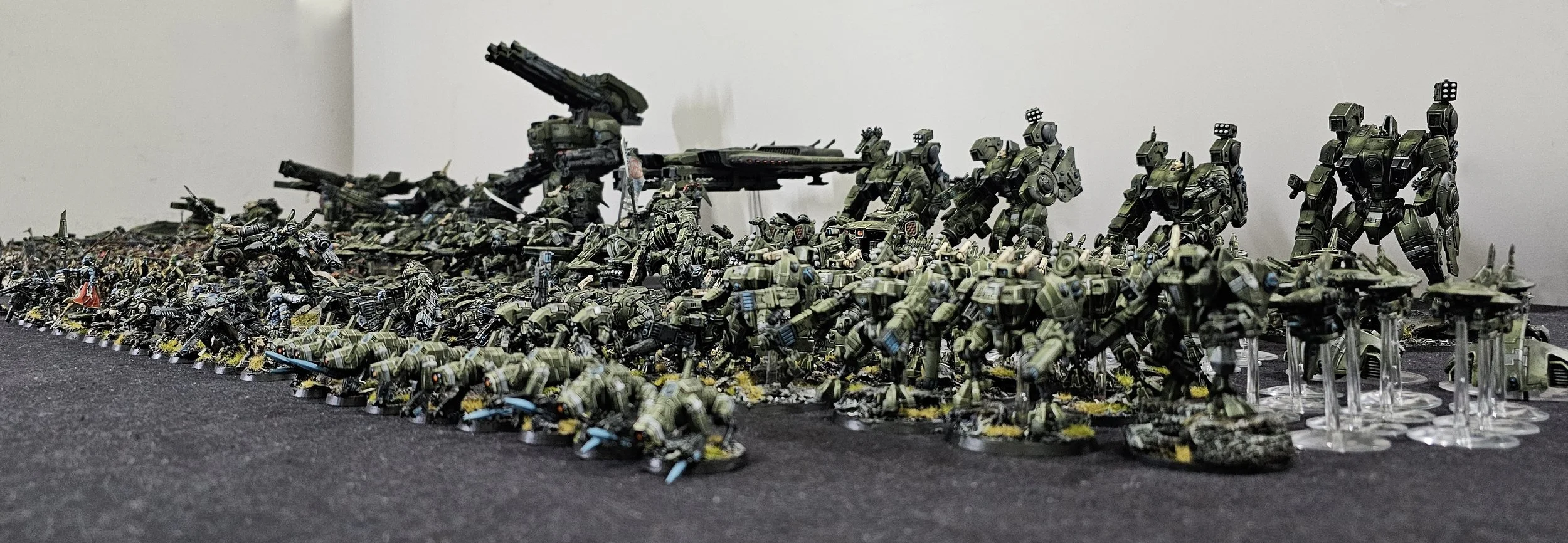
One of the most memorable Tau painting commissions we've worked on at PaintedFigs Miniature Painting Service was also the largest Tau army we've ever painted in a single project. Consisting of an impressive 336 miniatures, this Warhammer 40k painting commission gave us the opportunity to work across nearly every aspect of the Tau Empire range. From infantry squads and battlesuits to drones and larger centerpiece models, the collection showcased the diversity that makes a Tau army such a rewarding project for any miniature painting service.

Rather than following one of the established sept color schemes from the Warhammer 40k lore, the client approached us with a custom concept inspired by a collection of Tau miniatures they had seen online. The goal wasn't to recreate another army exactly, but to capture the same overall aesthetic while adapting it to suit their own collection. As with many of our custom Warhammer 40k painting commissions, we worked closely with the client to understand the look they were hoping to achieve before applying it consistently across the entire force.

Painting an army of this scale requires more than simply repeating the same process hundreds of times. With 336 miniatures on the painting table, maintaining consistency across every Fire Warrior, Battlesuit, Drone, and vehicle became just as important as the quality of each individual model. Careful color matching, consistent highlighting, and unified basing ensured that every unit looked like it belonged to the same fighting force while still allowing the larger models and commanders to stand out as natural focal points within the army.

Large-scale Warhammer 40k miniature painting projects like this are always rewarding because they allow the complete vision of an army to come together. Seeing hundreds of finished Tau miniatures assembled side by side highlighted the clean lines, advanced technology, and disciplined appearance that define the faction. It remains one of the largest miniature painting commissions we've completed for the Tau Empire, and a project that demonstrated just how striking a fully realized custom Tau army can look on the tabletop.

If you’d like to see more, check the gallery below:

https://photos.app.goo.gl/28er5Uqm8dMjo5Ra6

Vior'la Sept: Speed, Precision, and Firepower

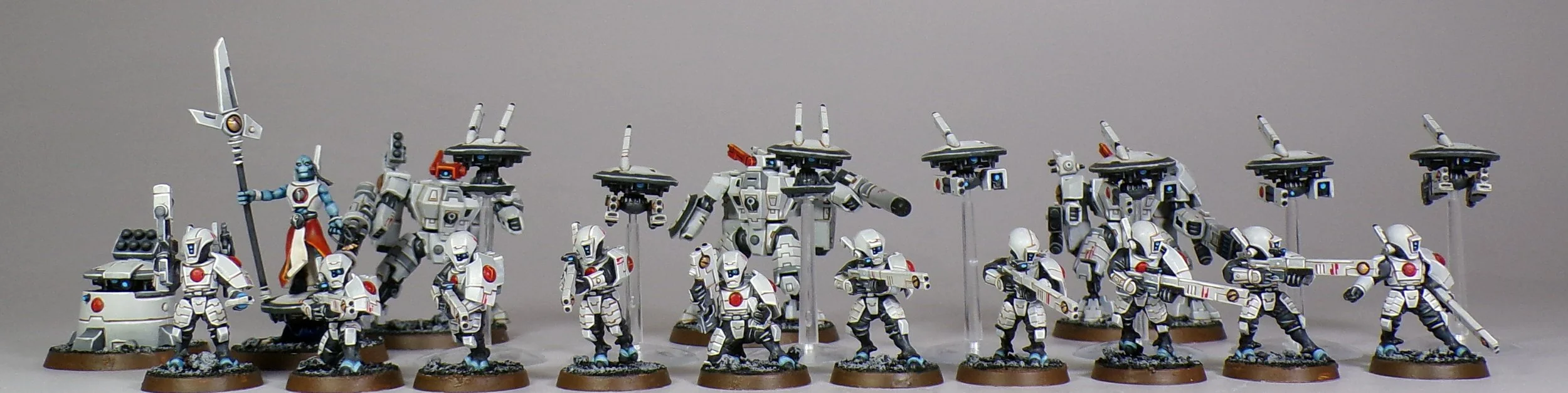
Among the many Tau (or T’au) painting commissions we've completed over the years at PaintedFigs Miniature Painting Service, one smaller project stood out for its clean execution and faithful interpretation of one of the faction's best-known septs. This Warhammer 40k painting commission featured a Vior'la Sept force consisting of an XV8 Crisis Battlesuit Team, several squads of Fire Warriors, and an Ethereal leading the contingent. Although modest in size, the collection represented the core elements of a classic Tau army and provided an opportunity to explore the striking white and red color scheme that has become synonymous with the Vior'la Sept.

Painting Vior'la Sept miniatures requires careful attention to smooth, clean finishes. White is one of the most challenging colors to paint well, particularly across the broad armor panels that define Tau infantry and battlesuits. Throughout this miniature painting commission, we focused on achieving crisp highlights, subtle shading, and clean panel separation while ensuring the bold red markings complemented the armor rather than overpowering it. The result was a force that reflected the disciplined, high-tech appearance that makes Tau armies so distinctive on the Warhammer 40k tabletop.

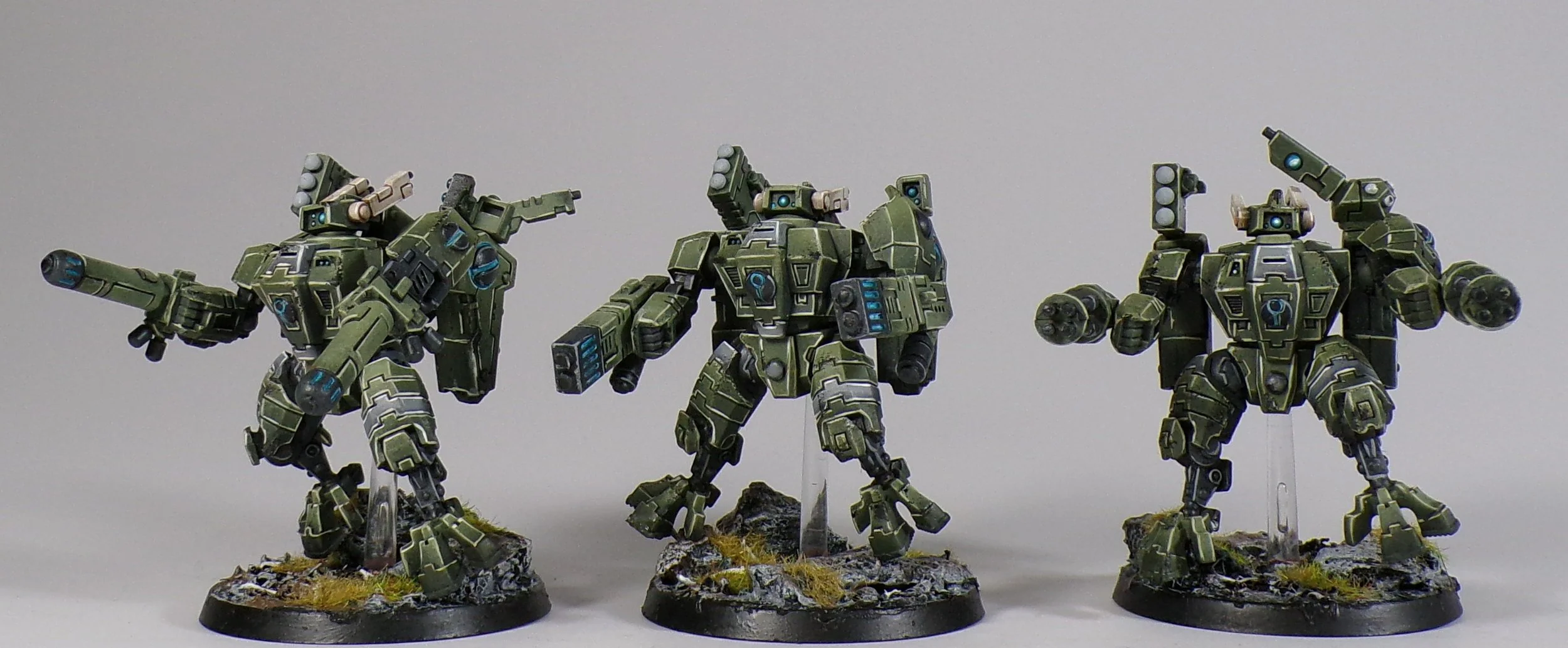
The XV8 Crisis Battlesuits naturally became the centerpieces of the commission. Their larger armor plates and advanced weapon systems provide plenty of opportunities to showcase careful blending and edge highlighting, while still maintaining the clean, manufactured appearance expected of Tau technology. Alongside them, the Fire Warriors established the visual identity of the army, with every miniature painted consistently to create a cohesive fighting force. Maintaining that level of uniformity across an entire unit is an important part of any Warhammer 40k miniature painting project, especially for an army built around discipline and coordinated tactics.

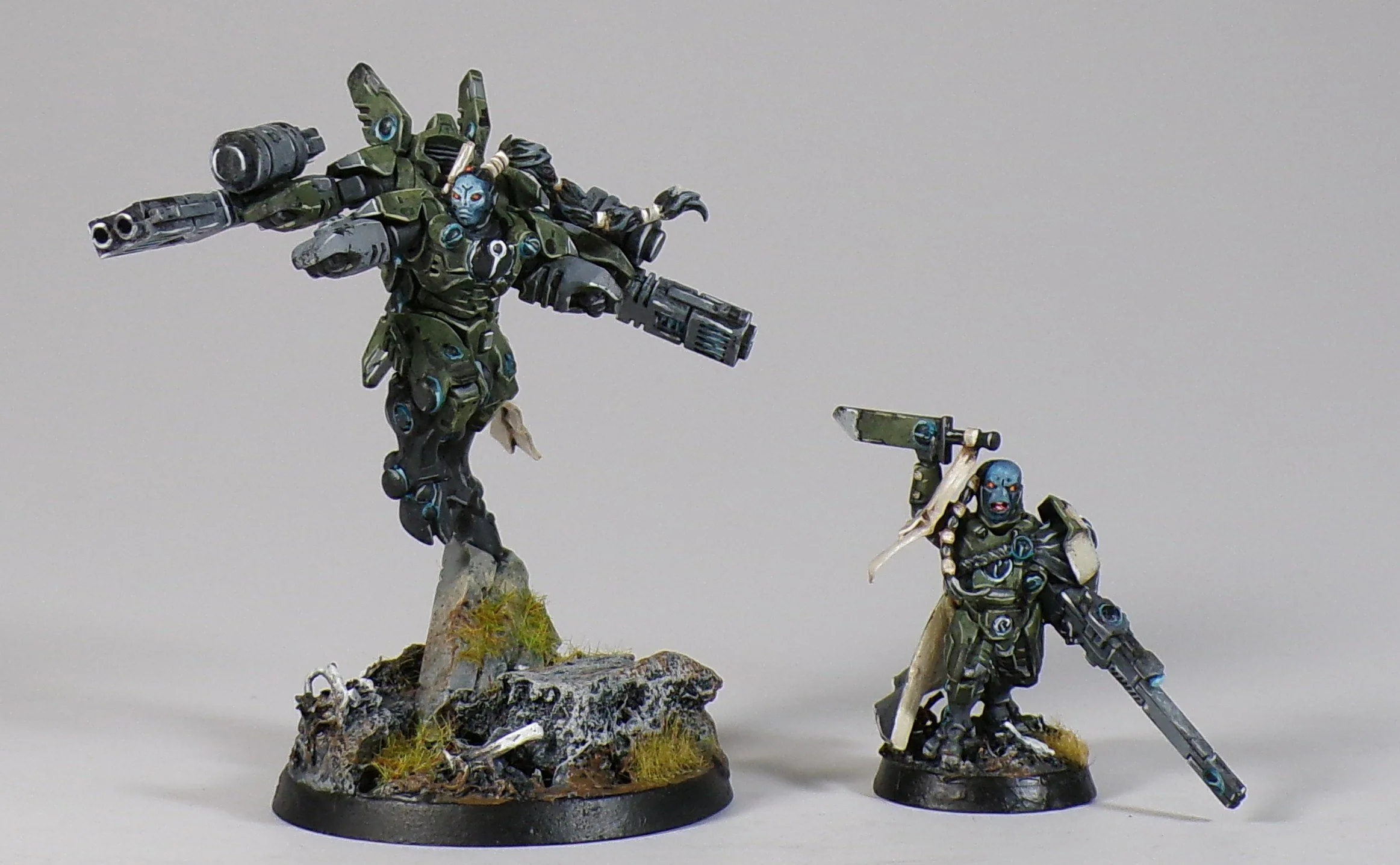
Leading the force was an Ethereal, a model that provided a welcome contrast to the otherwise heavily armored collection. Flowing robes, ceremonial details, and organic textures allowed us to introduce more variation into the project while remaining faithful to the established Vior'la palette. Characters like the Ethereal often become natural focal points within a Tau army, and careful attention was given to ensuring the model stood apart without breaking the visual consistency of the rest of the force.

Projects like this demonstrate that a Warhammer 40k painting commission doesn't need to be enormous to make an impact. Whether we're painting a handful of elite Battlesuits or a complete Tau army, our goal remains the same: to create cohesive, tabletop-ready miniatures that stay true to the client's vision while capturing the sleek aesthetic and advanced technology that define the Tau Empire.

If you’d like to see more, check the gallery below:

https://photos.app.goo.gl/EicT6pLZrv1NKsup8

A Miami Dolphins-Inspired Custom Tau Army

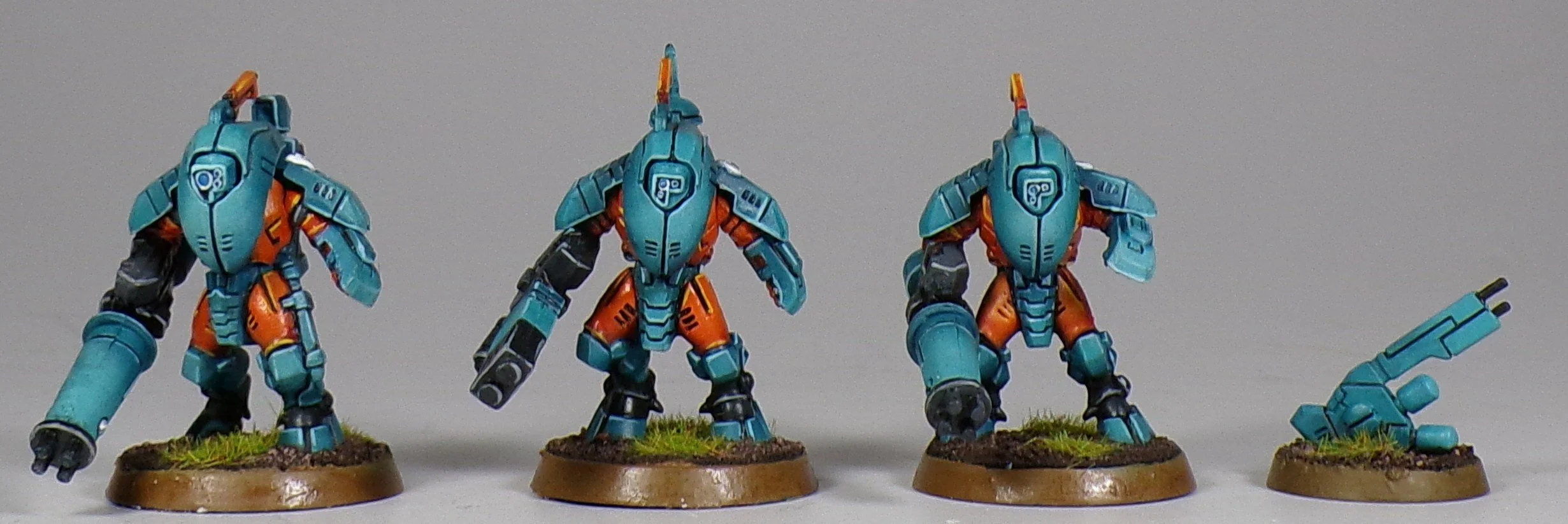
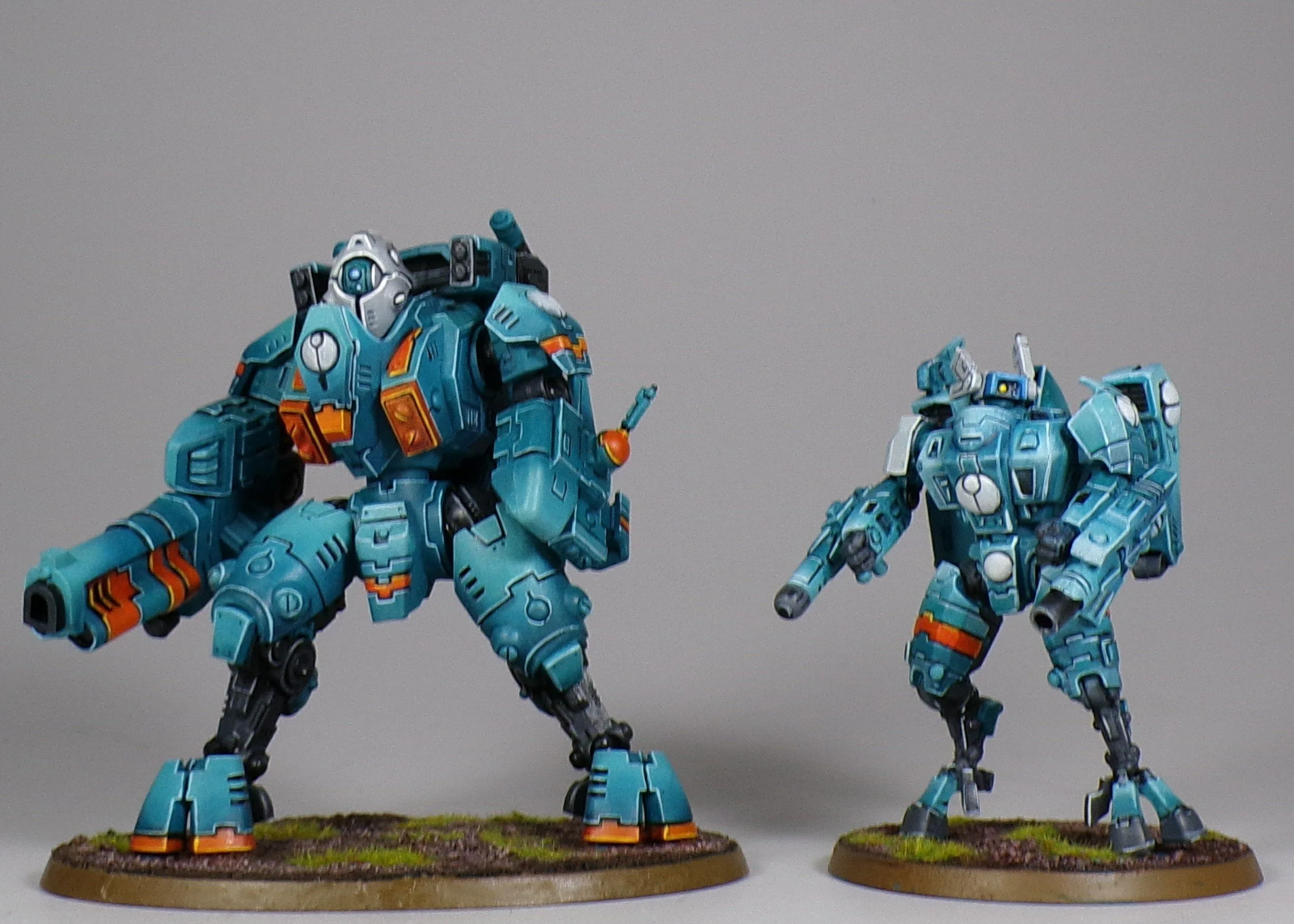
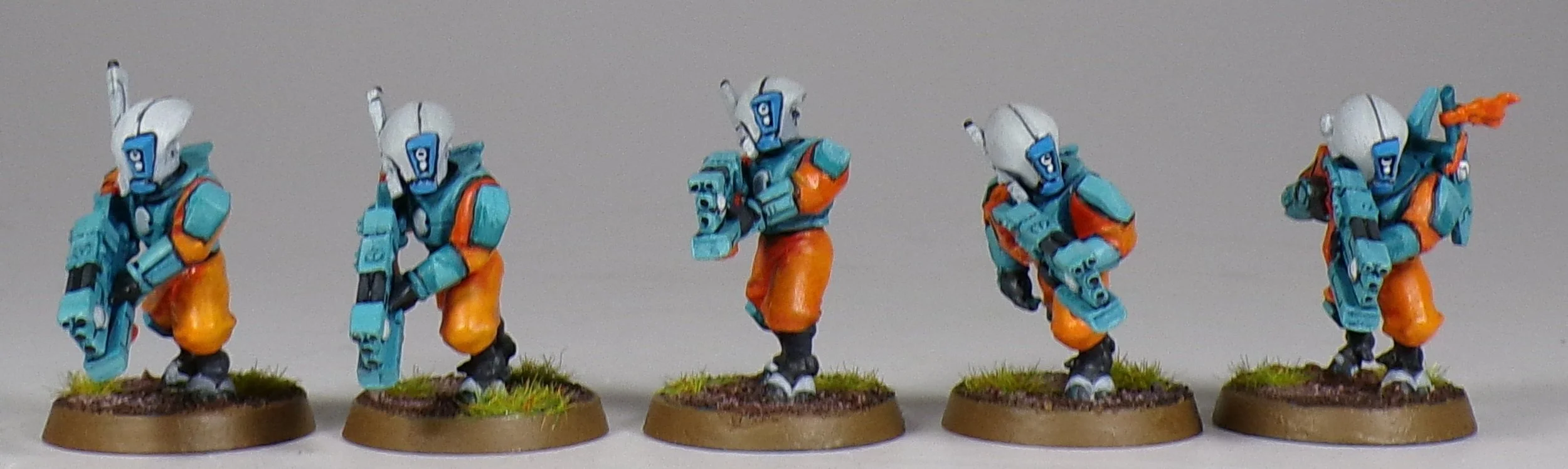
One of the more distinctive Tau (or T’au) painting commissions we've completed over the years at PaintedFigs Miniature Painting Service was a custom force inspired by the colors of the Miami Dolphins. Consisting of 23 miniatures, this Warhammer 40k painting commission moved away from the traditional Tau sept color schemes in favor of a vibrant combination of teal, orange, white, and subtle metallic accents. While the inspiration came from an NFL team, the finished army still retained the clean, futuristic aesthetic that defines the Tau Empire, resulting in a collection that was unique.

Custom Warhammer 40k painting projects like this are always enjoyable because they encourage us to think beyond the established lore while respecting the design language of the miniatures themselves. The broad armor panels found on Tau models provide an excellent canvas for experimenting with alternative color schemes, allowing bold colors to work without overwhelming the intricate details. Throughout the project, we focused on balancing the bright palette with careful shading and crisp edge highlights, ensuring that every miniature remained visually striking while still looking cohesive on the tabletop.

Although this was a relatively small commission of 23 miniatures, consistency remained a priority throughout the painting process. Every model shared the same carefully matched colors and markings, creating the appearance of a unified fighting force despite the unconventional inspiration behind the scheme. Whether viewed individually or as a complete detachment, the miniatures reflected the disciplined appearance expected of a Tau army while showcasing the client's own personality and interests through the custom color palette.

Projects such as this highlight one of the strengths of Tau miniature painting. Their sleek armor, advanced battlesuits, and streamlined vehicles lend themselves particularly well to custom Warhammer 40k painting commissions, making them an excellent choice for collectors looking to create something truly personal. Whether based on established septs, original concepts, or even real-world inspirations like the Miami Dolphins, every custom Tau army offers a chance to produce a force that stands apart while remaining instantly recognizable within the Warhammer 40k universe.

If you’d like to see more, check the gallery below:

https://photos.app.goo.gl/hgBZVeCFxMghFPLA8

Tash'var Sept: A Veteran Frontier Force

Among the various Tau (or T’au) painting commissions we've completed at PaintedFigs Miniature Painting Service over the years, we've also had the opportunity to paint a force in the colours of the Tash'var Sept. While collectors often gravitate towards the more familiar Vior'la or Tau Sept schemes, Tash'var offers a distinctive appearance that immediately stands out on the tabletop. This Warhammer 40k painting commission gave us the chance to faithfully recreate the Sept's signature colours while maintaining the clean, futuristic aesthetic that defines the Tau Empire.

One of the defining aspects of Tash'var miniature painting is achieving a balanced finish across the army. The sept's colour palette combines bold armour colours with carefully chosen secondary tones, creating an appearance that is both striking and practical. Throughout this Warhammer 40k miniature painting project, we at PaintedFigs Miniature Painting Service focused on producing smooth armour panels, crisp edge highlights, and clean panel lining, ensuring that every model reflected the advanced engineering and disciplined military doctrine that Tau armies are known for.

As with many Tau armies, consistency played an important role throughout the commission. Every miniature was painted to match the established Tash'var scheme, allowing the collection to look cohesive whether displayed in a cabinet or deployed across the tabletop. Uniform markings, carefully matched colours, and consistent basing all contributed to the impression of a well-organised expeditionary force. These details are often subtle, but they make a significant difference when viewing a complete Warhammer 40k army as a whole.

Working on established sept colour schemes presents a different challenge from creating entirely custom armies for us at PaintedFigs Miniature Painting Service. Collectors often choose these schemes because they appreciate the background and identity associated with a particular Sept, making accuracy just as important as the quality of the finish itself. Projects like this Tash'var force remind us that classic colour schemes continue to have a strong appeal within the Warhammer 40k community. Whether painting a canon-inspired Tau army or a completely original concept, our miniature painting service always aims to deliver a force that remains faithful to the client's vision while showcasing the clean, advanced design that makes Tau miniature painting so rewarding.

If you’d like to see more, check the gallery below:

https://photos.app.goo.gl/14SkCJBRtvHknVp47

A Royal Tau Sept with a Story to Tell

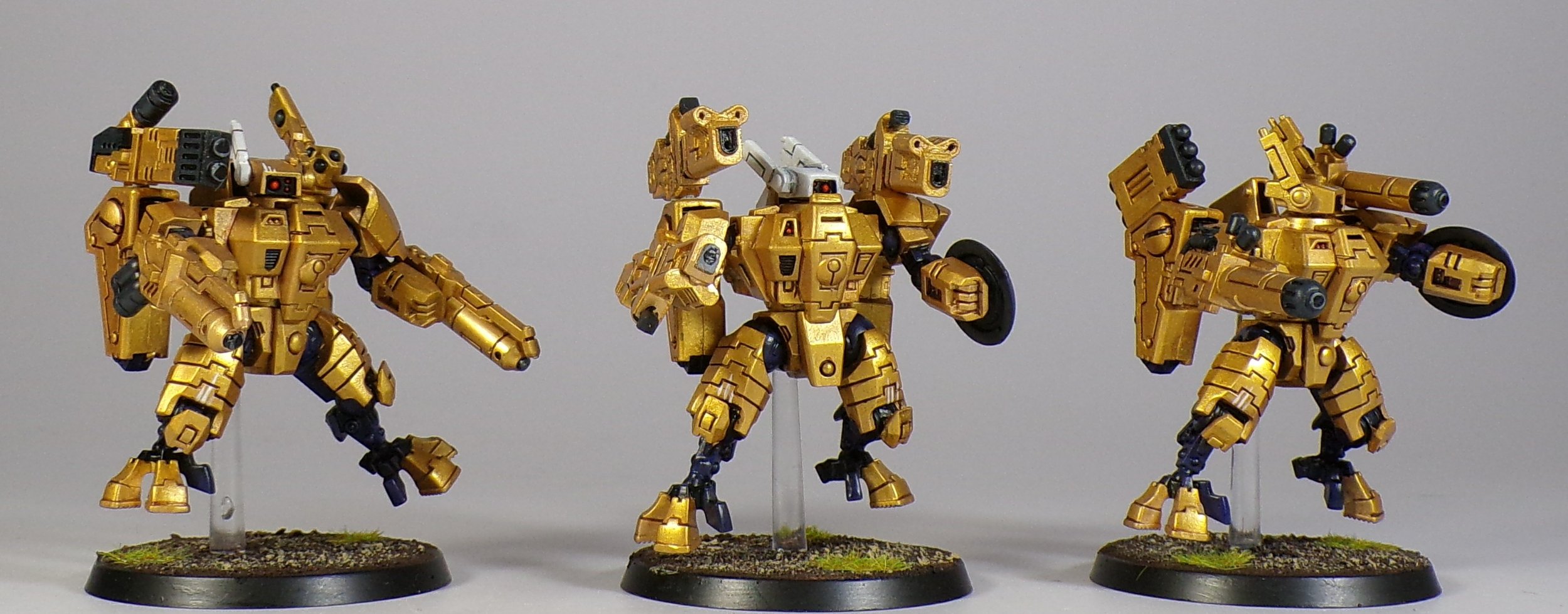
One of the most imaginative Tau (or T’au) painting commissions we've had the opportunity to work on in PaintedFigs Miniature Painting Service came with a rich piece of worldbuilding behind it. Rather than simply requesting a custom colour scheme, the client envisioned an entire Tau Sept whose culture had been shaped by its homeworld. According to their concept, this Sept originated on a planet constantly battered by raging sandstorms filled with fine gold particles. Over countless generations, their armour had become naturally sandblasted, giving it a distinctive worn appearance while retaining the regal colours that symbolised the status and pride of the Sept.

To bring this vision to life, the army was centred around a rich gold armour scheme inspired by Vallejo Game Color Polished Gold, complemented by deep purple panels based on Vallejo Game Color Royal Purple. Although these colours served as the inspiration, we mixed our paints internally to match the exact hues the client was looking for. Additional accent colours were carefully incorporated throughout the collection, helping to break up the armour while preserving the overall balance between the warm metallics and vibrant purple. The combination created a striking Tau army that felt both noble and believable within the Warhammer 40k universe.

Perhaps the most enjoyable aspect of this Warhammer 40k painting commission was finding the right balance between elegance and realism. Gold armour naturally conveys prestige, but the client's background story called for that prestige to be tempered by the harsh conditions of the Sept's homeworld. We introduced subtle weathering and gentle signs of abrasion across the armour to suggest years of exposure to sand-laden storms without obscuring the brilliance of the metallic finish. This approach allowed the miniatures to retain their royal identity while telling the environmental story behind the army.

Custom Warhammer 40k painting commissions are often at their best when the colour scheme is supported by a compelling narrative, and this project was an excellent example of that. Every miniature contributed to the identity of the force, with the polished gold, royal purple, and carefully applied weathering working together to create a cohesive collection. It was a rewarding project to complete, demonstrating how thoughtful miniature painting can reinforce the lore that collectors create for their own Tau armies while producing a force that stands out both on display and across the tabletop.

If you’d like to see more, check the gallery below:

https://photos.app.goo.gl/S139x62VuiiWGeJB6

Throughout the years, painting Tau armies has given us the opportunity to work on an incredible variety of projects, from faithful recreations of iconic Septs to completely original colour schemes inspired by everything from sports teams to anime and richly developed homebrew lore. Every Warhammer 40k painting commission presents a new creative challenge, and every Tau army reflects the unique vision of its owner. At PaintedFigs Miniature Painting Service, we strive to preserve that individuality while delivering cohesive, tabletop-ready armies that remain true to the clean, advanced aesthetic that has made the Tau Empire one of the most distinctive factions in Warhammer 40k.

Whether you're looking for a lore-accurate Sept, a fully custom Tau army, or a showcase-quality centrepiece force, PaintedFigs Miniature Painting Service has extensive experience bringing these futuristic warriors to life. From Fire Warriors and XV8 Crisis Battlesuits to Ethereals, Commanders, and massive army commissions, we've enjoyed exploring the many possibilities that Tau miniature painting has to offer. As we continue taking on new Warhammer 40k painting commissions, we look forward to helping collectors create armies that are every bit as unique as the stories they tell, while delivering high-quality miniature painting services that look just as impressive in a display cabinet as they do on the battlefield.

20 Years of Painting Space Orks: The Paintedfigs 40k Miniature Painting Service

By Manul Chandilla

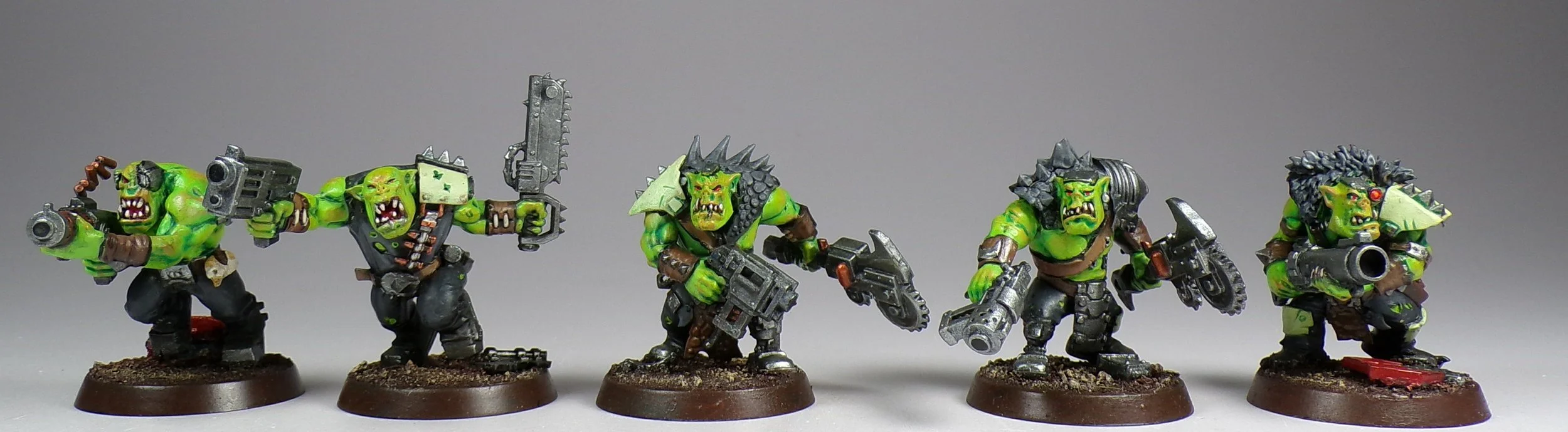
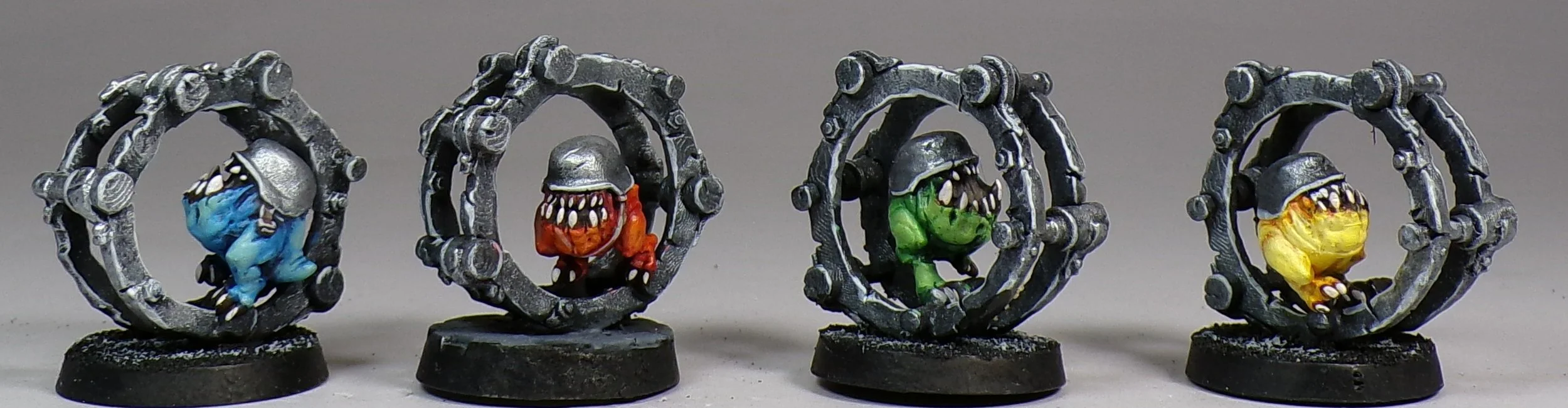
Few factions in the world of Warhammer 40k capture the same level of chaotic energy and raw personality as the Space Orks. Known for their brutal love of combat, ramshackle engineering, and larger-than-life attitude, Orks have always stood out as one of the most creative armies in the hobby. Over the years, we’ve had the opportunity to work on a wide variety of Ork miniature painting commissions, each one bringing its own unique challenges and opportunities for creativity. From armored Nobz and battle-hardened Boyz to towering war machines and customized vehicles, every project has allowed us to explore the unpredictable and destructive nature that defines the Ork race.

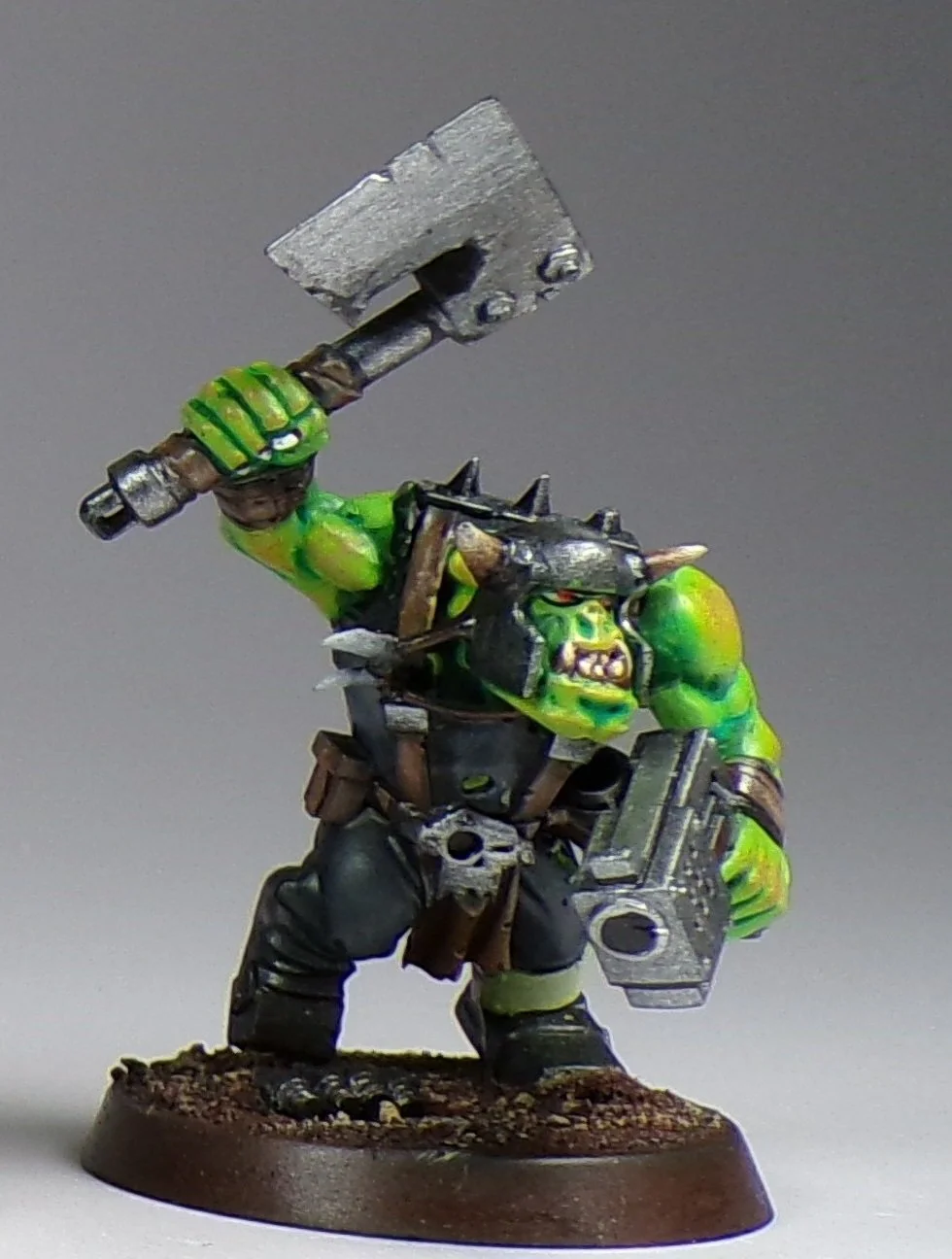
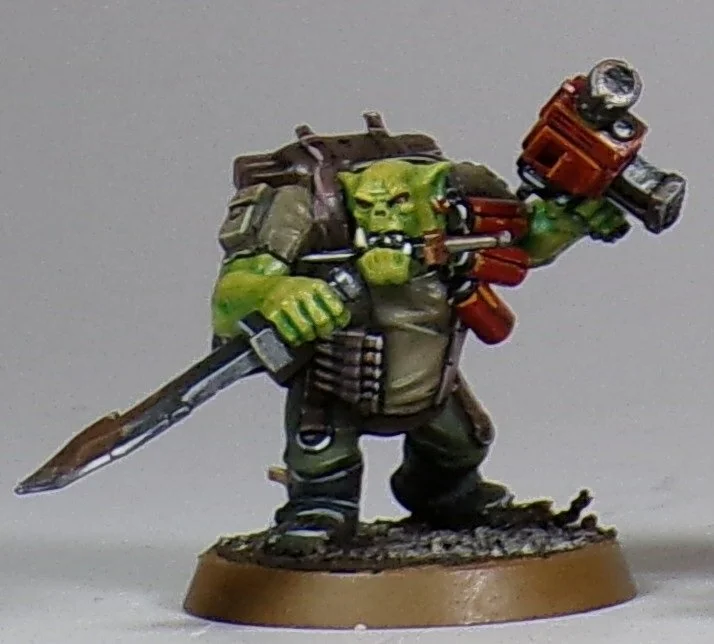
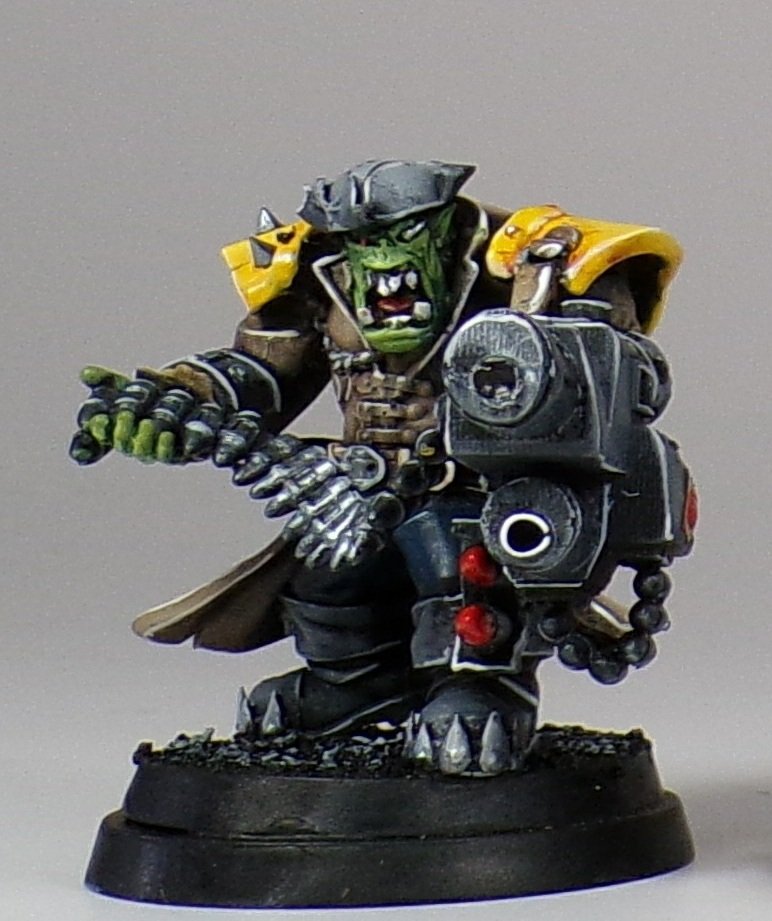
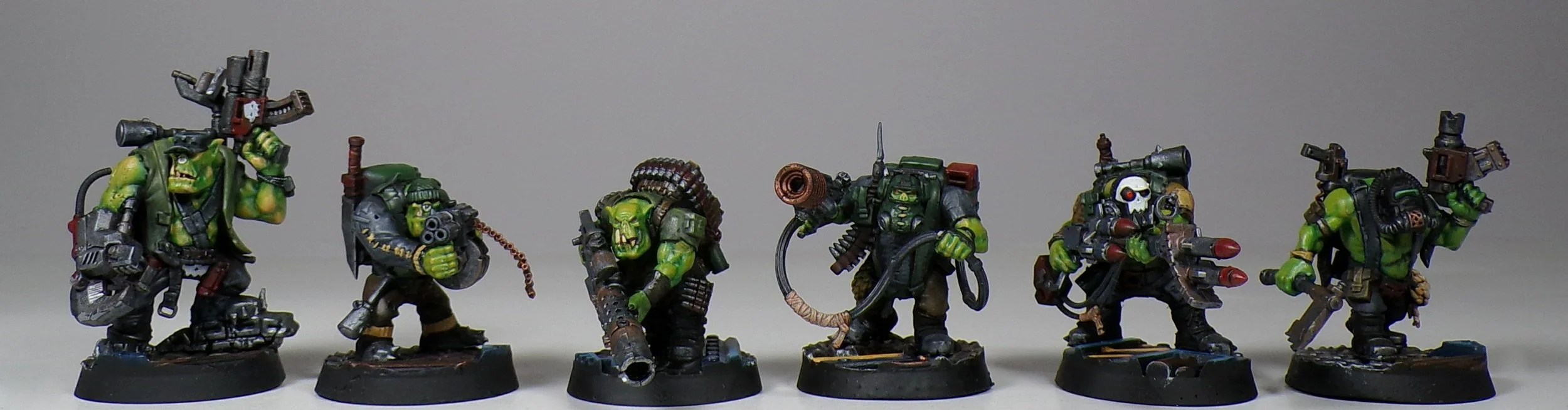
Below is a quality comparison for Space Orks from galleries we’ve worked on:

At PaintedFigs Miniature Painting Service, one of the things we’ve always appreciated about painting Warhammer 40k Orks is the sheer freedom they offer. Unlike more uniform factions, Ork armies thrive on individuality, with mismatched armor plates, improvised weapons, battle damage, and endless opportunities for custom paint schemes. Through our years of providing Warhammer 40k painting commissions, we’ve worked on everything from classic green-skinned infantry to elaborate centerpiece models that embrace the loud, aggressive aesthetic that makes Orks such an iconic part of the 40k universe. This article explores some of the Space Ork projects we’ve painted over the years and the creative process behind bringing these brutal warriors to life on the tabletop.

The Goff Clan: Brutal Strength and Relentless Warfare

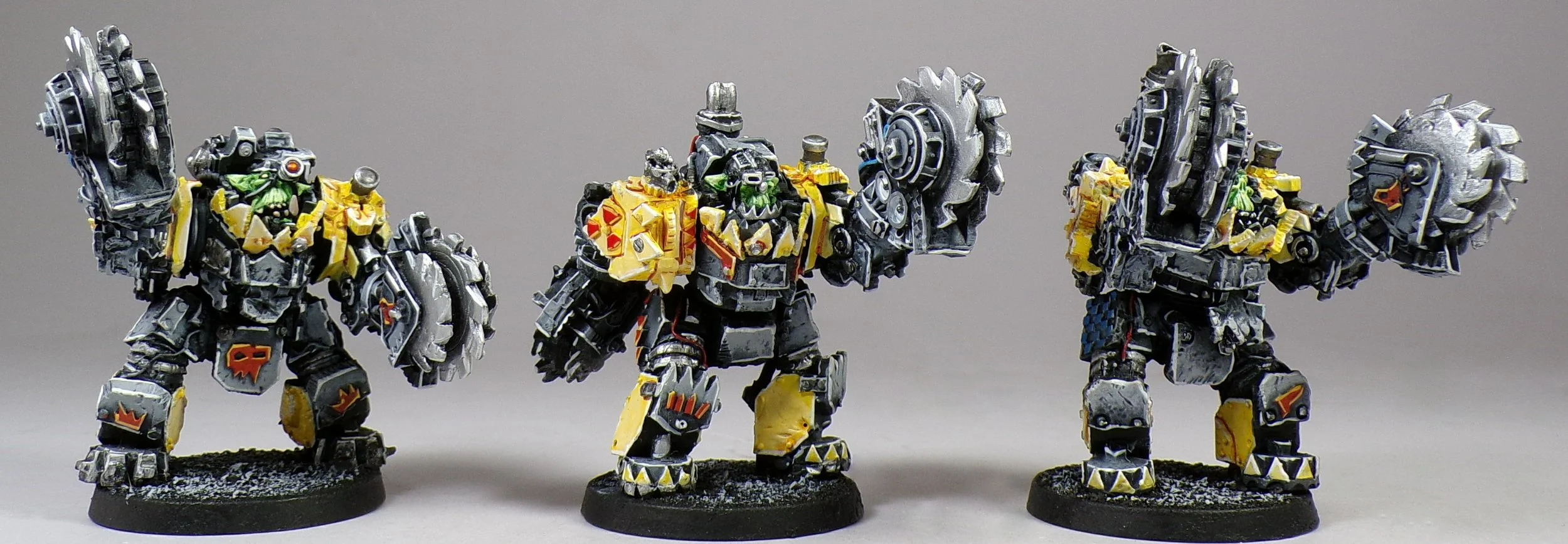
Among the many Ork clans found throughout Warhammer 40k, the Goff Clan has always stood out as the embodiment of pure aggression. Known for favoring brutal close-quarters combat over flashy technology or elaborate tactics, Goffs represent the raw, unfiltered nature of Ork warfare. Their iconic black armor, checkered patterns, and battle-worn aesthetic make them a rewarding challenge when it comes to Warhammer 40k miniature painting. Over the years, we’ve had the opportunity to work on several Ork painting commissions inspired by the Goff Clan, each one focused on capturing the savage energy that defines these legendary warriors.

One of our recent projects involved painting a set of Kill Team Orks, a collection of miniatures that showcases the variety and individuality present within any Ork warband. While Orks as a faction embrace chaotic customization, Goff Clan miniatures demand a more grounded and brutal visual identity. We focused on weathered black armor plating, metallic battle damage, and the clan’s signature checkerboard details to create miniatures that looked ready for endless close combat. Through careful layering, edge highlighting, and subtle weathering effects, these models captured the rugged battlefield presence that makes Warhammer 40k Orks such an exciting faction to paint.

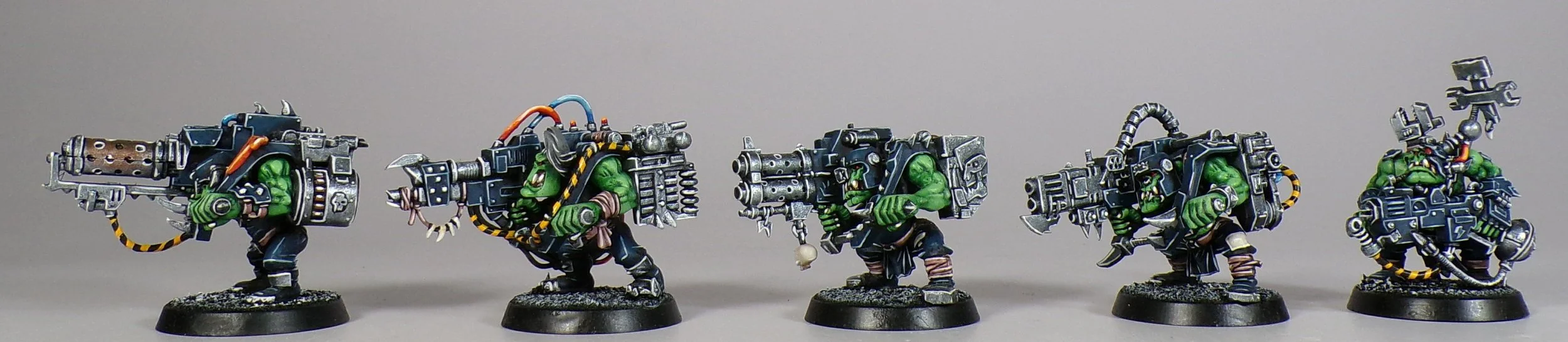
We’ve also had the pleasure of working on several Ork Kommandos, one of the more unique infantry units available to Ork players. Unlike the loud and reckless fighting style associated with Orks, Kommandos rely on stealth, infiltration, and sabotage—at least by Ork standards. Painting these models gave us the opportunity to explore darker tones, camouflage-inspired details, worn leather textures, and equipment that helped distinguish them from standard infantry. At PaintedFigs Miniature Painting Service, projects like these remind us why custom Warhammer 40k painting remains such a rewarding creative process, especially when working with factions as chaotic and character-filled as the Space Orks.

Kromlech Orks: Custom Designs and Endless Creativity

One of the things that makes Warhammer 40k Orks such a fun faction to work on is the incredible amount of customization they allow, and few companies embrace that creative freedom quite like Kromlech. Known for producing detailed alternative sculpts, conversion bits, and unique tabletop miniatures, Kromlech has become a favorite among hobbyists looking to build Ork armies with extra personality. Over the years, we’ve had the opportunity to work on several Ork miniature painting commissions featuring Kromlech models, and each project has allowed us to explore a different side of Ork design beyond the traditional range.

What immediately stands out about Kromlech Orks is the sheer amount of character packed into every sculpt. Their models often feature exaggerated armor plating, oversized weapons, intricate mechanical details, and an even stronger sense of the improvised engineering that defines Ork culture in Warhammer 40k. When approaching this particular commission, we focused on emphasizing these details through layered metallics, battle damage effects, weathering techniques, and subtle grime buildup to make every model feel properly worn from countless battles. The rough industrial aesthetic that runs throughout Kromlech designs made this a satisfying Warhammer 40k painting commission to work on.

Unlike more standardized army projects, custom miniatures like these require a slightly different painting approach. Because Kromlech designs often push the visual identity of Orks even further, we spent extra time making sure every individual detail stood out while still keeping the army cohesive as a whole. At PaintedFigs Miniature Painting Service, projects like these are always a reminder that custom Warhammer 40k miniature painting is not simply about following existing color schemes, but also about bringing unique creative visions to life. With customized ranges like Kromlech Orks, every commission becomes an opportunity to create something distinctive for the tabletop.

Deathskulls Orks: Looters, Scavengers, and Masters of Improvisation

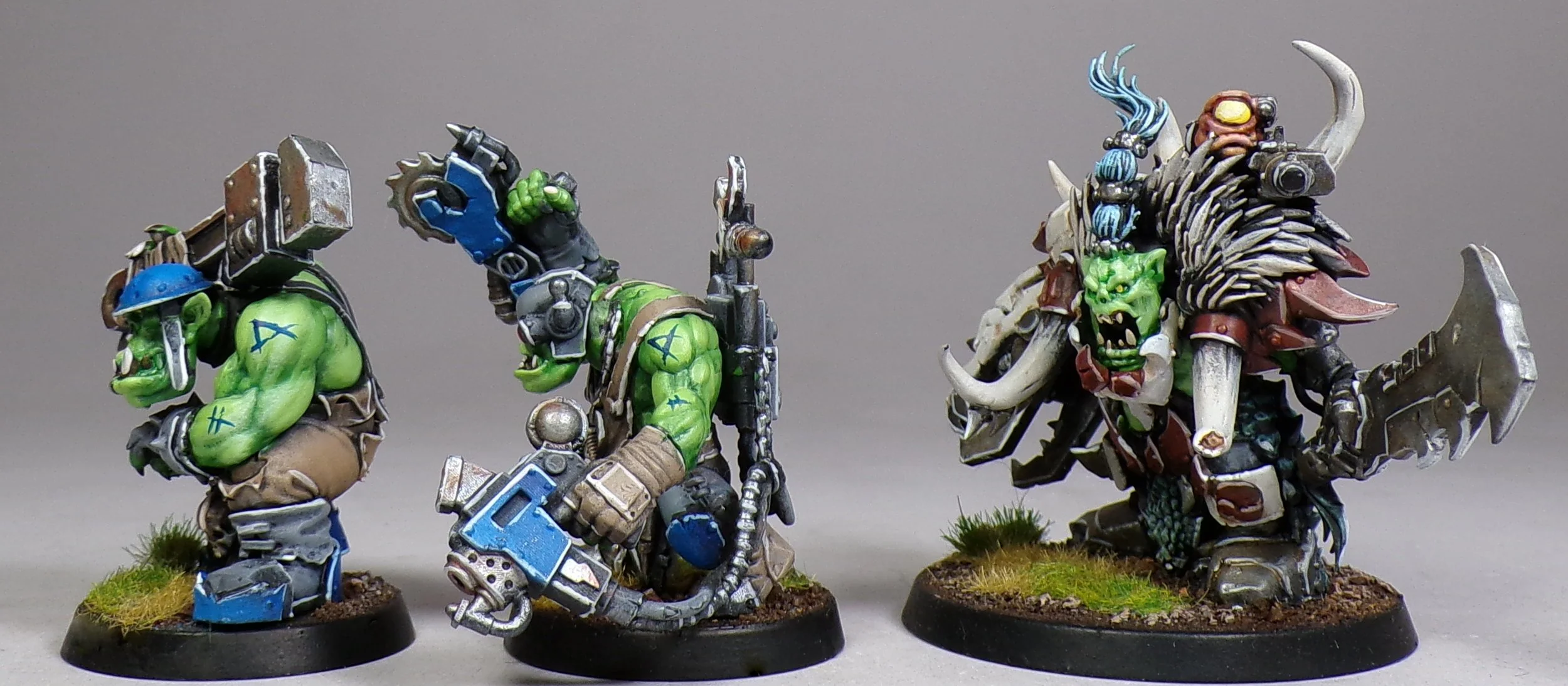
Among the many Ork clans found throughout Warhammer 40k, the Deathskulls have always stood apart for their resourcefulness and love of salvaging anything they can get their hands on. Known as the ultimate looters of the Ork race, Deathskulls are infamous for scavenging weapons, armor, and machinery directly from the battlefield before repurposing them for future fights. Their signature blue armor, often believed by Orks to bring good luck, combined with their patched equipment and stolen technology, makes them one of the most distinctive factions we’ve worked on through our Warhammer 40k miniature painting commissions over the years.

One of the most enjoyable aspects of painting Deathskull Orks is capturing the chaotic appearance that defines the clan. Unlike more uniform Ork armies, Deathskull warbands often look as though every piece of equipment has been pulled from a different battlefield. For this particular commission, we focused on weathered blue armor panels, mismatched metallic surfaces, chipped paint effects, and battle damage that helped reinforce the scavenger identity of the army. The goal was to make every miniature feel ramshackle while still maintaining enough visual consistency for the force to feel cohesive on the tabletop.

What makes Deathskulls miniature painting rewarding is the sheer storytelling potential behind every model. Their stolen weapons, improvised mechanical parts, and patched-together armor allow for a huge amount of texture work and creative weathering techniques that bring extra personality to each individual miniature. At PaintedFigs Miniature Painting Service, projects like these continue to remind us why custom Warhammer 40k painting remains such a rewarding part of the hobby. With factions like the Deathskulls, every commission becomes an opportunity to embrace the unpredictable and gloriously chaotic side of the Warhammer 40k Orks universe.

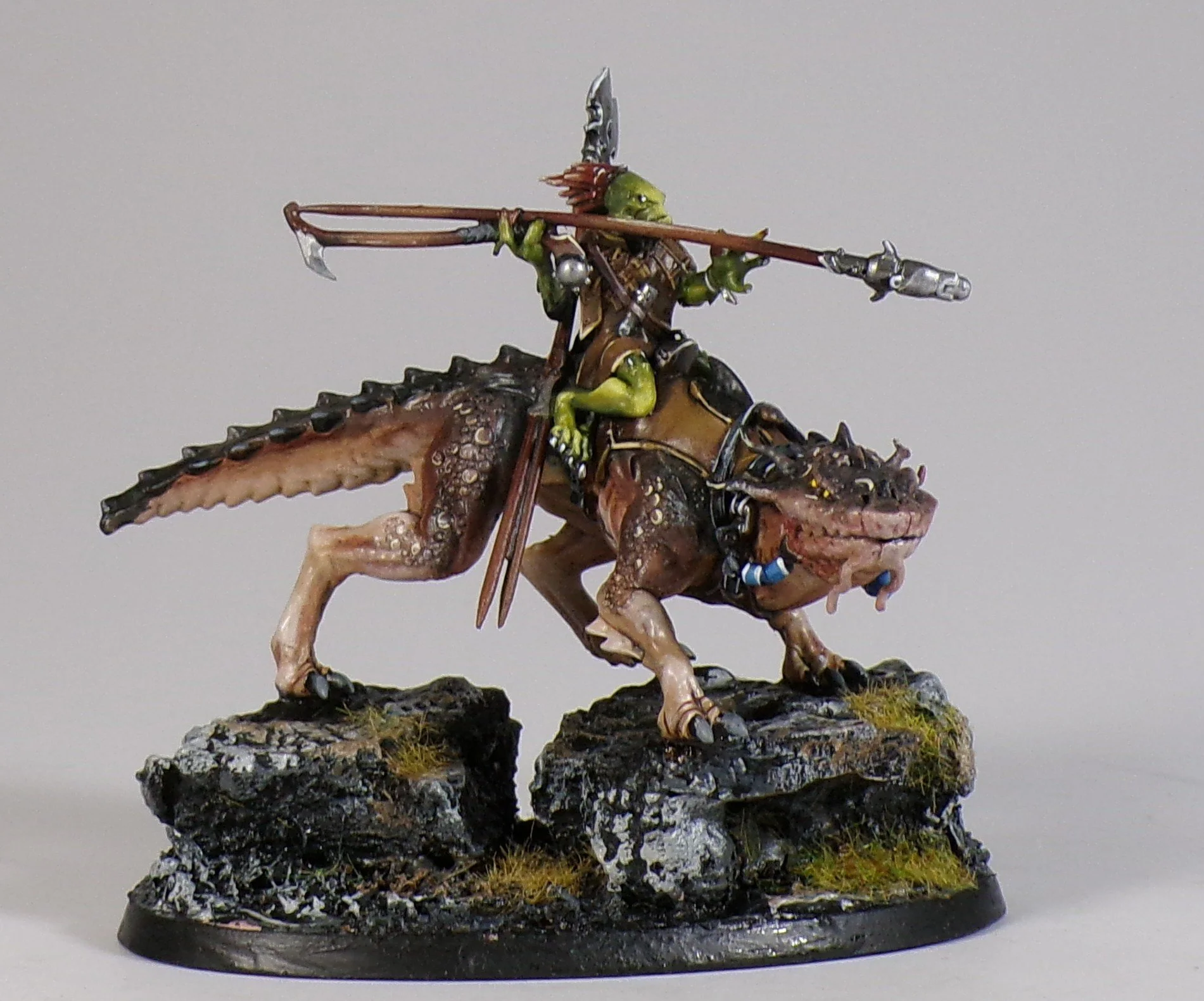
Beyond standard infantry, one of the standout projects we’ve completed for a Deathskulls Orks commission involved two incredible centerpiece models: a massive Ork Stompa alongside an imposing Beastboss on Squigosaur. Large-scale Ork models like these always provide exciting opportunities to push creativity further, when working with an army as unpredictable as the Deathskulls. These projects allowed us to focus not only on the faction’s signature weathered blue armor and scavenged battlefield aesthetic, but also on the countless small details that help make Warhammer 40k Orks feel alive on the tabletop.

The Deathskulls-themed Stompa in particular was a rewarding challenge. As one of the largest and most iconic Ork war machines in Warhammer 40k, the model already demands attention, but this particular commission pushed things even further through the inclusion of numerous handcrafted custom bits designed specifically for the project. Much of the Stompa featured customized armor plating, additional mechanical details, improvised weapon modifications, and unique decorative elements that reinforced the ramshackle engineering style Orks are famous for. Painting a model of this scale required extensive weathering, metallic layering, battle damage effects, and careful attention to every custom-built detail to ensure the finished piece captured the chaotic energy of Ork technology.

The Cave Art Inspired Mural Painted On The Side Of The Squigasaur.

Alongside the Stompa, we also had the opportunity to work on an impressive Beastboss on Squigosaur, a model that brought a very different kind of challenge. While the Beastboss itself required the aggressive, battle-worn aesthetic expected from any Ork warlord, one of the most unique aspects of the commission was the custom mural painted along the side of the Squigosaur itself. This additional freehand artwork gave the miniature an extra layer of personality while showcasing the kind of personalized touches that make custom Warhammer 40k miniature painting so rewarding. Projects like these continue to highlight why working on large-scale Ork painting commissions remains one of our favorite parts of miniature painting, where every custom detail helps transform already iconic models into one-of-a-kind centerpiece armies.

Goff Rockers: Loud, Chaotic, and Full of Orky Personality

While many Warhammer 40k Orks are known purely for their love of battle, few models capture the absurd and chaotic personality of the faction quite like the Goff Rockers. Originally one of the more unique and collectible additions to the Ork range, Goff Rockers have become iconic among collectors thanks to their over-the-top attitude, improvised musical weapons, and the unmistakable sense of humor that has always been a core part of Ork culture in Warhammer 40k. Unlike more traditional infantry or vehicle-based projects, working on Goff Rockers miniature painting gave us the opportunity to focus less on battlefield brutality and more on the larger-than-life personality that makes Orks such an unforgettable faction on the tabletop.

What makes the Goff Rockers especially enjoyable to paint is the sheer amount of character packed into every sculpt. True to the brutal aesthetic of the Goff Clan, these models feature the clan’s signature black armor, checkered patterns, oversized boots, aggressive facial expressions, and exaggerated details that immediately draw attention. For this commission, we focused on clean contrast work between the dark armor plating and metallic elements, while weathering certain surfaces to ensure the models still felt grounded within the Warhammer 40k universe. Their instruments and performance-focused poses also allowed us to bring extra visual energy into the project while preserving the rough, battle-worn style associated with Ork armies.

Projects like these are always a reminder that Warhammer 40k miniature painting is not only about armies built for competitive play, but also about celebrating the creativity and personality that make the hobby so enjoyable. At PaintedFigs Miniature Painting Service, working on unique commissions such as the Goff Rockers allows us to explore the more playful side of custom Warhammer 40k painting while still delivering the same level of detail, precision, and craftsmanship that defines all of our miniature painting commissions. Whether it’s a full Space Orks army or a one-of-a-kind collector’s piece, every project gives us another opportunity to bring these incredible miniatures to life.

Over the years, working on a wide variety of Warhammer 40k Orks projects has given us the opportunity to explore some of the most creative and character-filled miniatures the hobby has to offer. From brutal Goff Clan Orks built for relentless close combat, to highly customized Kromlech Orks packed with unique sculpting details, and the ramshackle ingenuity of Deathskulls Orks armed with looted technology and improvised wargear, every commission has presented its own exciting artistic challenge. The sheer diversity found within the Ork faction makes every project feel unique, allowing endless opportunities for experimentation through custom Warhammer 40k miniature painting and highly personalized army designs.

At PaintedFigs Miniature Painting Service, one of the things we’ve always appreciated most about Ork miniature painting commissions is the incredible freedom these armies allow. Whether we’re painting heavily weathered infantry squads, stealth-focused Ork Kommandos, massive centerpiece models like a custom-built Ork Stompa, or elaborate character models such as a Beastboss on Squigosaur, every miniature offers the chance to bring out the chaotic personality that makes the Orks one of the most iconic factions in Warhammer 40k. Large-scale projects featuring custom handcrafted bits, freehand artwork, battle damage, and heavily customized details continue to push our creativity with every new commission we take on.

As PaintedFigs Miniature Painting Service continues working on new Warhammer 40k painting commissions, Orks remain one of our favorite factions to paint thanks to their unpredictability, customization potential, and unmistakable tabletop presence. From classic Space Orks armies to fully custom warbands designed around a client’s unique vision, our goal has always remained the same: delivering high-quality miniature painting services that stay true to both the lore and individuality of every army. Whether you’re looking for expertly painted Warhammer 40k Orks, customized centerpiece models, or professional Warhammer 40k miniature painting services for your next army project, we’re always excited to bring these chaotic green warriors to life one miniature at a time.

Types Of Adeptus Custodes We've Painted Over The Years: Miniature Painting Service

By Manul Chandilla

The Adeptus Custodes stand among the most elite warriors in Games Workshop’s Warhammer 40k universe. As the Emperor’s personal guardians and the defenders of the Imperial Palace, they embody martial perfection, unmatched skill, and centuries of unwavering service. Over the years, we’ve had the pleasure of painting a variety of Adeptus Custodes miniatures through our miniature painting service, from the iconic golden warriors of the Ten Thousand to more unique shield host color schemes and custom Custodes armies. Each project has offered its own opportunity to explore the grandeur and prestige that make the Adeptus Custodes such a beloved faction among collectors and players alike.

While we’ve painted armies from every corner of the Warhammer 40k setting, the Adeptus Custodes have always stood out for their striking appearance and incredible attention to detail. Their ornate armor, intricate weapons, and regal aesthetic make them a rewarding challenge for any Warhammer 40k miniature painting service. Whether it's a traditional gold-armored force inspired by the Emperor's own guardians or a custom shield host featuring alternative colors and heraldry, every Custodes army brings a unique visual identity to the tabletop.

At PaintedFigs Miniature Painting Service, we’ve found that successful Adeptus Custodes miniature painting requires more than applying metallic paints. Each model is packed with fine sculpted details, from engraved armor plates and decorative filigree to elaborate cloaks and guardian spears. Some collectors prefer the classic appearance established in the lore, while others choose custom Adeptus Custodes paint schemes that allow their armies to stand apart while still preserving the faction’s noble and imposing presence.

The Adeptus Custodes are also diverse despite their small numbers. From Custodian Guard and Allarus Terminators to Vertus Praetors and imposing characters, we’ve painted a wide range of models that showcase different aspects of the faction. Through our Warhammer 40k painting commissions, we’ve had the opportunity to experiment with various metallic finishes, shield host colors, and custom details that help bring each army to life.

In this article, we’ll explore the various Adeptus Custodes schemes and forces we’ve painted over the years. From classic golden Custodes to distinctive shield hosts and custom commissions, each project has been an opportunity to celebrate the craftsmanship, lore, and visual splendor that make the Adeptus Custodes one of Warhammer 40k’s most iconic factions.

The Shadowkeepers: Wardens of the Dark Cells

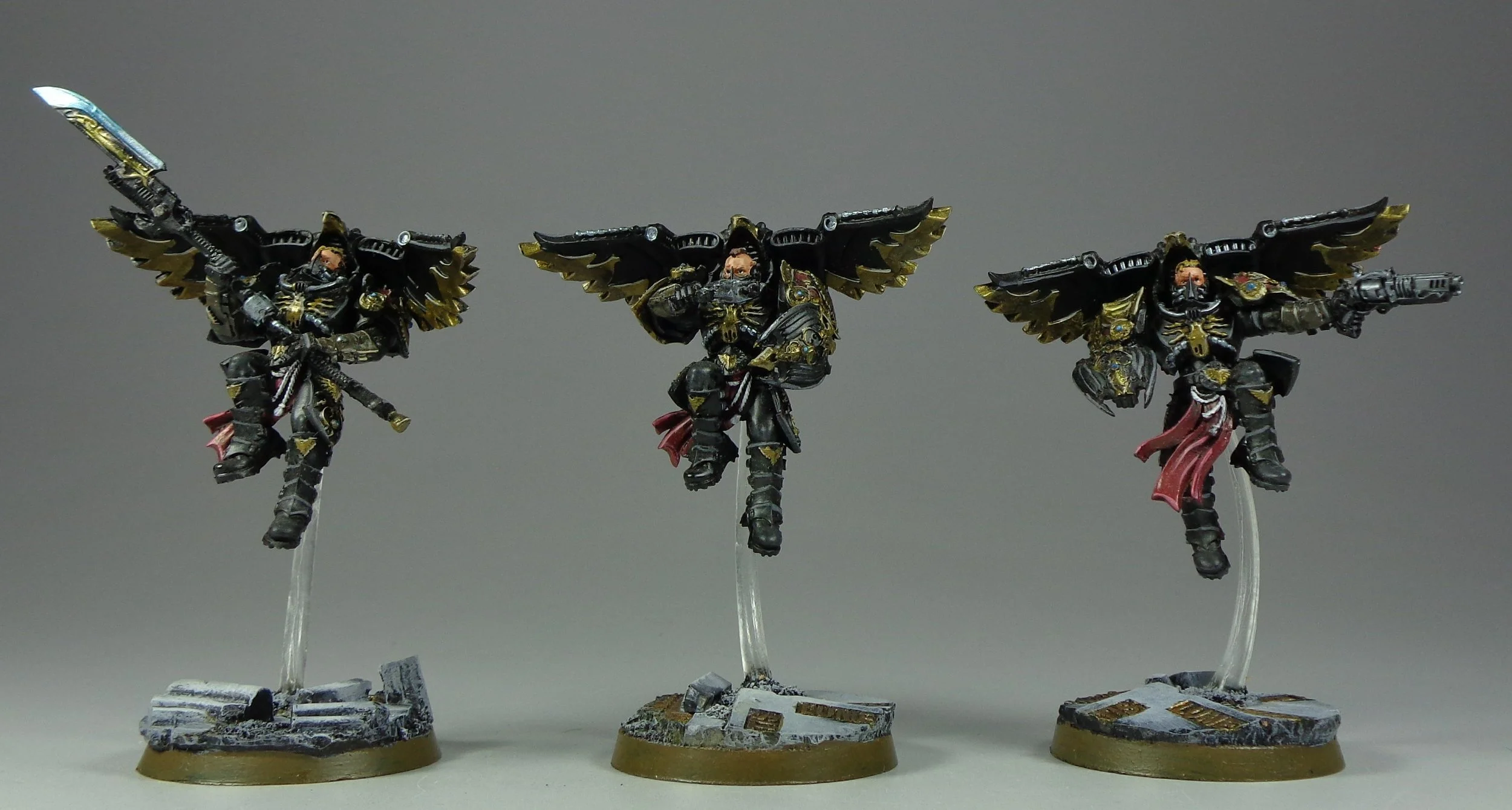
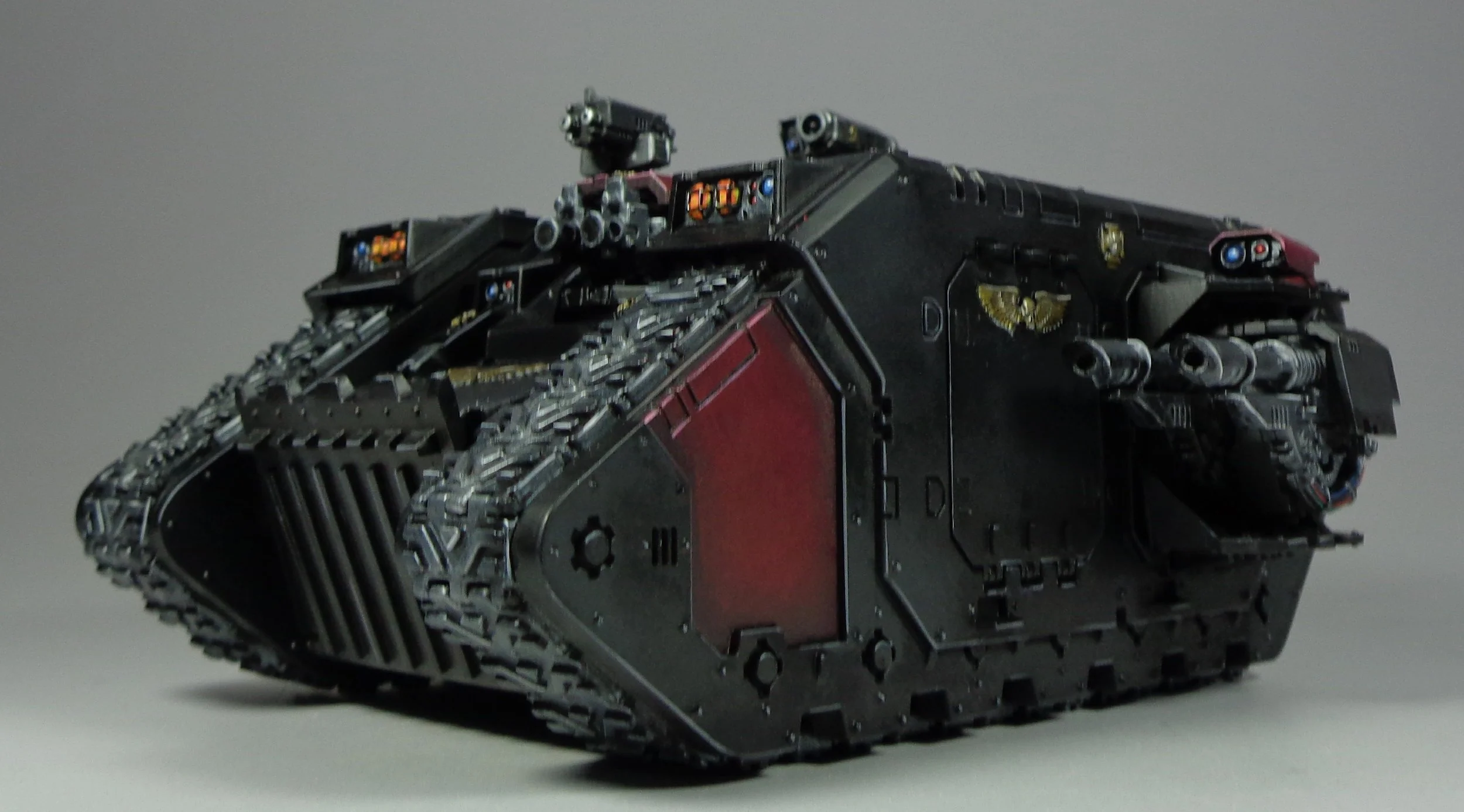
Among the many shield hosts of the Adeptus Custodes, the Shadowkeepers possess one of the most intriguing and mysterious roles. Tasked with guarding the Dark Cells beneath the Imperial Palace, these elite Custodians are responsible for containing some of the most dangerous entities and artifacts in the Imperium. Their distinctive black armor, contrasted with gold detailing sets them apart from the more traditional golden Custodes seen across the Warhammer 40k universe. Over the years, we've had the opportunity to paint Shadowkeepers forces for two different clients through our Adeptus Custodes painting commissions, and they have been among the most visually striking projects we've worked on.

What makes the Shadowkeepers appealing from a miniature painting perspective is their unique color scheme. The combination of deep black armor and ornate gold trim creates a dramatic contrast that emphasizes the intricate details sculpted into every Custodes model. Unlike standard Adeptus Custodes armies that rely on gold metallics, Shadowkeepers miniature painting requires careful attention to maintaining richness and depth within the black armor while ensuring the gold accents remain prominent. Achieving the right balance is essential, as too much highlighting can diminish the imposing appearance that defines the shield host.

Many of our Warhammer 40k Custodes painting commissions have featured units such as Custodian Guard, Allarus Custodians, and Vertus Praetors painted in the Shadowkeepers scheme. These models showcase the faction's ornate armor well, with the darker palette helping details such as filigree, gemstones, and weapon casings stand out more clearly. We often employ subtle edge highlighting and controlled shading to create contrast without sacrificing the sleek, disciplined appearance that characterizes the Shadowkeepers.

The shield host's lore also lends itself well to atmospheric painting. As guardians of ancient horrors imprisoned beneath Terra, the Shadowkeepers are often depicted as grim and relentless warriors. While our Shadowkeepers commissions have not featured weathering effects, we have focused on creating strong contrasts between the black armor and gold ornamentation, alongside controlled shading and subdued tones that reinforce the shield host's ominous character. This approach preserves the immaculate appearance expected of the Adeptus Custodes while still capturing the darker identity of these eternal jailers.

Characters and elite units are often highlights of any Shadowkeepers army. Allarus Terminators in particular look exceptional in the black-and-gold scheme, with their heavy armor creating an imposing presence on the tabletop. We've also painted several Shield-Captains and Custodes characters using this scheme, paying special attention to details such as cloaks, guardian spears, and ornate helmets. The darker armor helps these centerpiece models command attention while still maintaining the regal elegance expected of the Emperor's chosen guardians.

Throughout our time painting Adeptus Custodes armies, the Shadowkeepers have remained one of the most distinctive shield hosts we've encountered. Their combination of striking aesthetics, rich lore, and imposing battlefield presence makes them a favorite among collectors seeking something different from the traditional golden Custodes army. Every Shadowkeepers commission provides an opportunity to explore a darker side of the Adeptus Custodes while preserving the nobility and grandeur that make the Ten Thousand such an iconic part of Warhammer 40k.

The Emissaries Imperatus: The Emperor’s Unquestioning Voice

Among the various shield hosts of the Adeptus Custodes, the Emissaries Imperatus hold a unique and respected position. While all Custodians serve the Emperor with absolute loyalty, the Emissaries Imperatus are tasked with carrying out what they interpret as His direct will. Whether acting as diplomats, executioners, or guardians, they move with unwavering purpose and conviction, answering only to the Emperor himself. Over the years, we’ve had the opportunity to paint several Emissaries Imperatus models and armies through our Adeptus Custodes painting commissions, and their distinctive appearance has always made them stand out among the many shield hosts of the Ten Thousand.

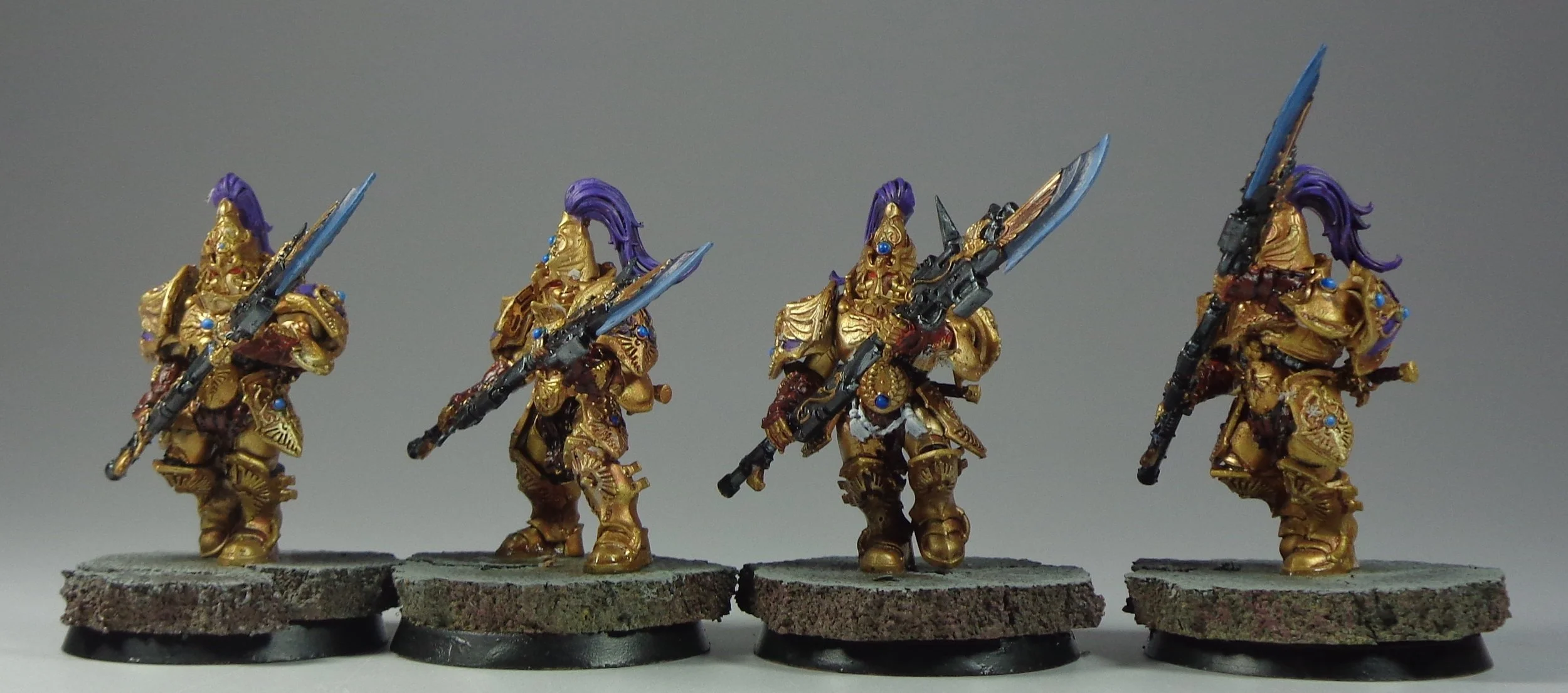
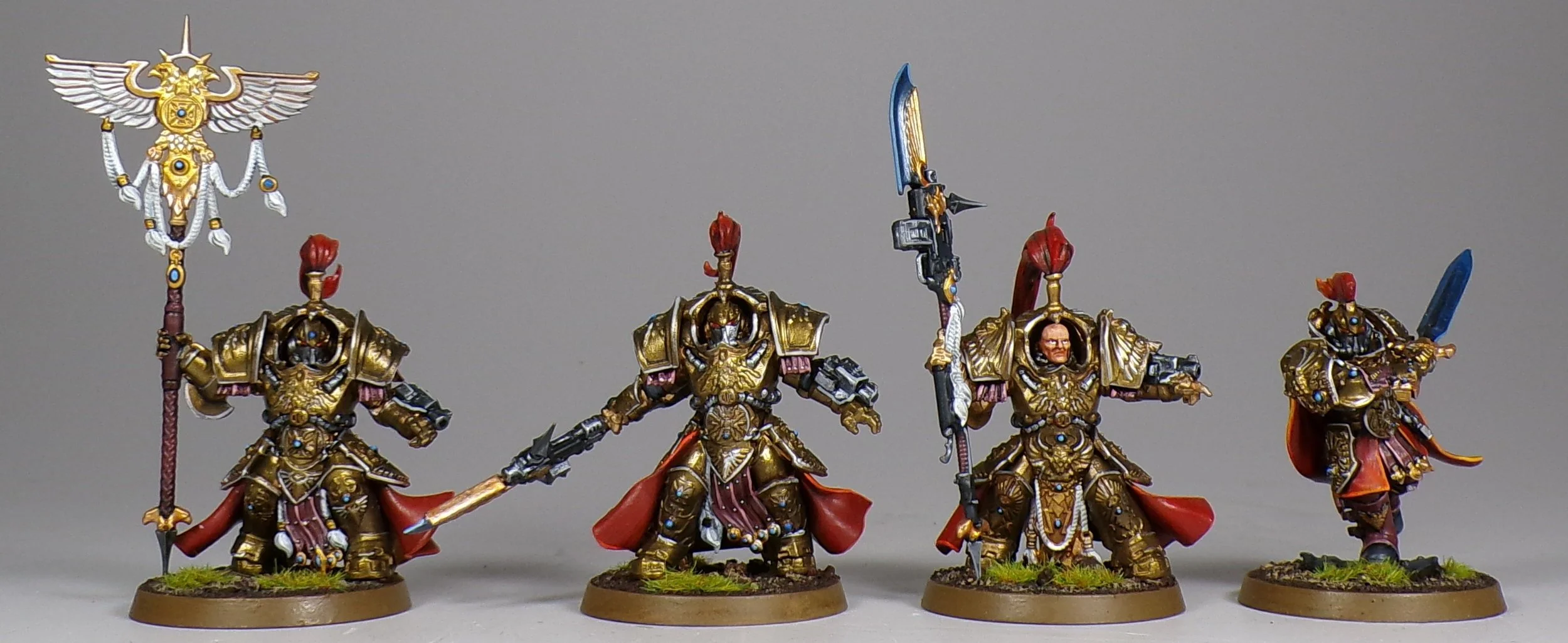
Unlike some other shield hosts that feature dramatic departures from the traditional Custodes aesthetic, the Emissaries Imperatus retain the iconic gold armor associated with the Adeptus Custodes. Their heraldry is distinguished by rich red accents, crimson plumes, and deep red robes that create a regal and authoritative appearance. From a miniature painting perspective, this scheme offers an excellent balance between the grandeur of polished gold armor and the visual interest provided by bold secondary colors. When painting Emissaries Imperatus miniatures, we focus on creating rich metallic tones while ensuring the red elements provide strong contrast and help define the character of each model.

Several of our Warhammer 40k Custodes painting commissions have featured Custodian Guard, Vertus Praetors, and Shield-Captains painted in the Emissaries Imperatus color scheme. The combination of gold armor and crimson details draws attention to the ornate filigree, gemstones, and weapon components that define the Adeptus Custodes range. We often find that this shield host showcases the craftsmanship of the models well, as the warm metallics and vibrant reds complement the intricate sculpting found throughout the faction.

The lore of the Emissaries Imperatus also contributes to their appeal. Unlike shield hosts dedicated to specific defensive duties or specialized military roles, the Emissaries Imperatus are often depicted as carrying out missions of immense importance across the Imperium. Their actions are guided by an unwavering belief that they are enacting the Emperor’s will, giving them a sense of purpose and authority that few other Imperial forces can match. This narrative identity is something we try to capture through our painting approach, emphasizing clean armor, precise detailing, and a noble, commanding presence.

Characters are impressive within an Emissaries Imperatus force. Models such as Blade Champions and Shield-Captains benefit from the combination of gleaming gold armor and rich crimson accents, with cloaks, guardian spears, and decorative details becoming natural focal points. We pay special attention to these centerpiece models, ensuring that every element contributes to the sense of prestige and authority expected of the Emperor’s chosen emissaries.

Throughout our experience painting Adeptus Custodes armies, the Emissaries Imperatus have proven to be one of the most elegant and iconic shield hosts. Their combination of classic Custodes gold, striking red heraldry, rich lore, and commanding battlefield presence creates a memorable force that appeals to both collectors and players. Every Emissaries Imperatus commission provides an opportunity to showcase the artistry of the Adeptus Custodes range while highlighting a shield host that truly embodies the authority and majesty of the Emperor’s chosen guardians.

A Custom Shield Host: Inspired by the Romance of the Three Kingdoms

One of the most memorable Adeptus Custodes painting commissions we've undertaken was a custom shield host inspired by the rich history, culture, and aesthetics of ancient China, the legendary Romance of the Three Kingdoms period. While the Adeptus Custodes are already known for their regal appearance and martial excellence, this project offered an opportunity to explore a different interpretation of the Emperor’s chosen guardians while remaining true to the grandeur that defines the faction.

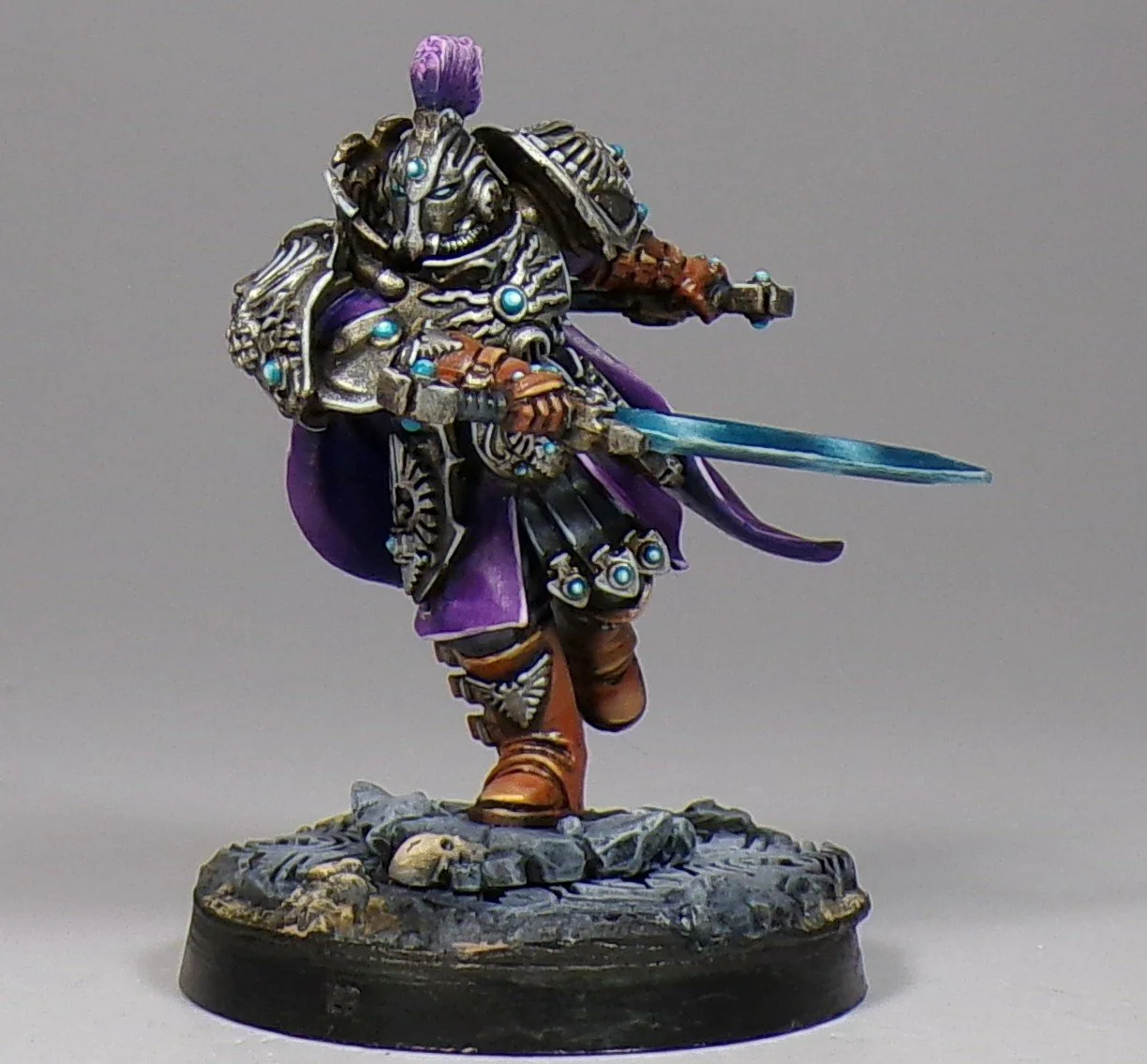
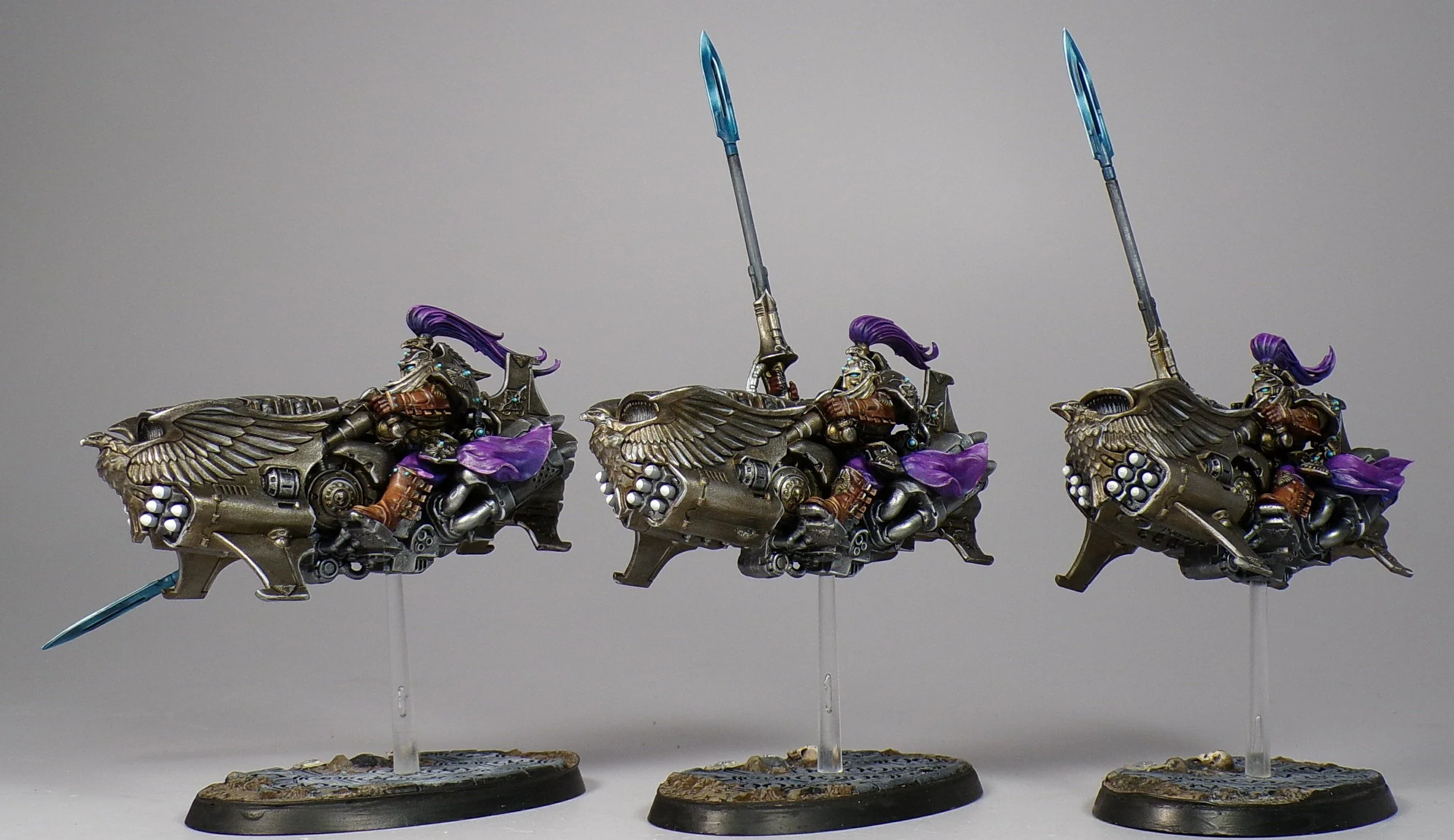
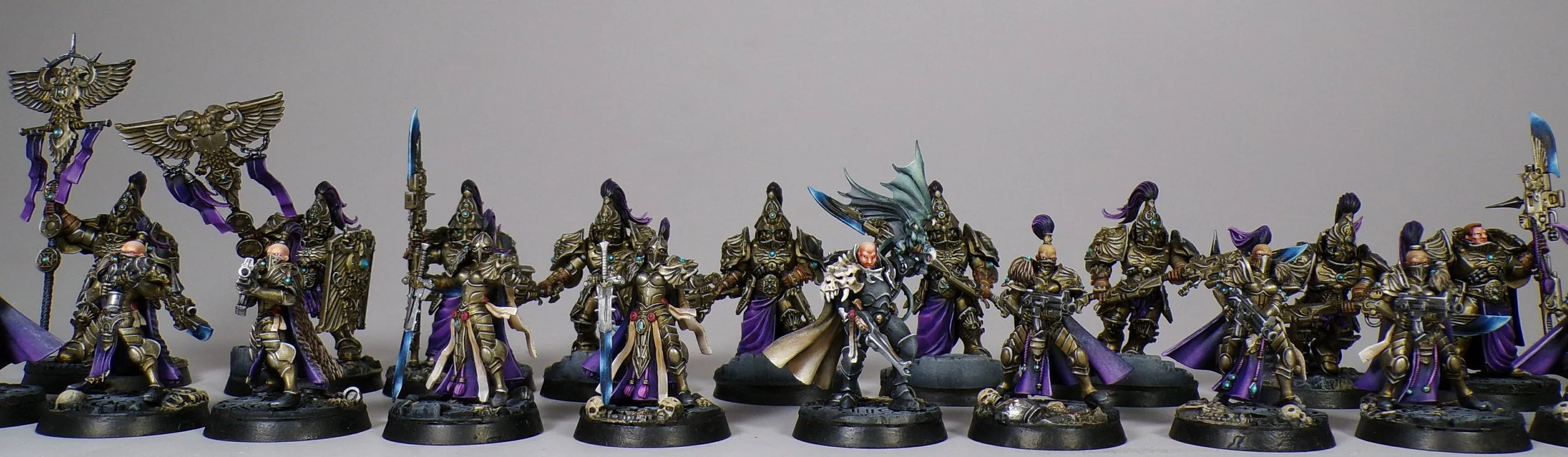
Unlike the traditional gold armor associated with the Adeptus Custodes, this custom Custodes army featured polished silver armor accented by vibrant purple plumes, robes, and decorative cords. The result was a striking and distinctive force that stood apart on the tabletop. From a miniature painting perspective, the contrast between the cool metallic armor and the rich purple details created an elegant visual balance. The silver surfaces allowed the intricate sculpting of the Adeptus Custodes range to shine through, while the purple accents added a sense of nobility and individuality that reflected the client's vision.

Many of the models in this Warhammer 40k miniature painting commission featured details that complemented the historical inspiration behind the army. The flowing plumes, ornate armor, and decorative embellishments of the Custodes range already evoke the grandeur of legendary warriors, making them an excellent canvas for a Romance of the Three Kingdoms-inspired paint scheme. Throughout the project, we paid particular attention to gemstones, weapon details, and ornamental elements, using bright blues and purples to create additional points of visual interest across the army.

One aspect of the commission that we appreciated was the client's desire to reflect the cultural diversity of the regions that inspired the army. While many of the models were equipped with helmets, several leadership characters were painted without them, allowing us to incorporate a variety of skin tones and facial features inspired by the many peoples and cultures that have existed throughout China and the surrounding regions over the centuries. This added an additional layer of character to the force and helped reinforce the idea that this was a unique and personal interpretation of the Adeptus Custodes rather than a direct recreation of an established shield host.

Characters were rewarding to paint within this custom army. Shield-Captains, Blade Champions, and other leaders benefited from the combination of silver armor, purple heraldry, and vibrant gemstones, creating impressive centerpiece models that drew the eye. The dramatic color scheme also allowed us to experiment with glowing weapon effects and decorative details, helping these warriors feel every bit as legendary as the heroes that inspired them.

Throughout our years providing Adeptus Custodes painting services, custom shield hosts have often been some of the most rewarding projects. This Romance of the Three Kingdoms-inspired Custodes army stands out as a perfect example of how Warhammer 40k miniature painting can combine established lore with a client's personal vision. The result was a force that retained the majesty, discipline, and battlefield presence of the Adeptus Custodes while introducing a unique cultural identity that made the collection one of a kind.

A Custom Shield Host: Regal Gold with Vibrant Pink and Purple Accents

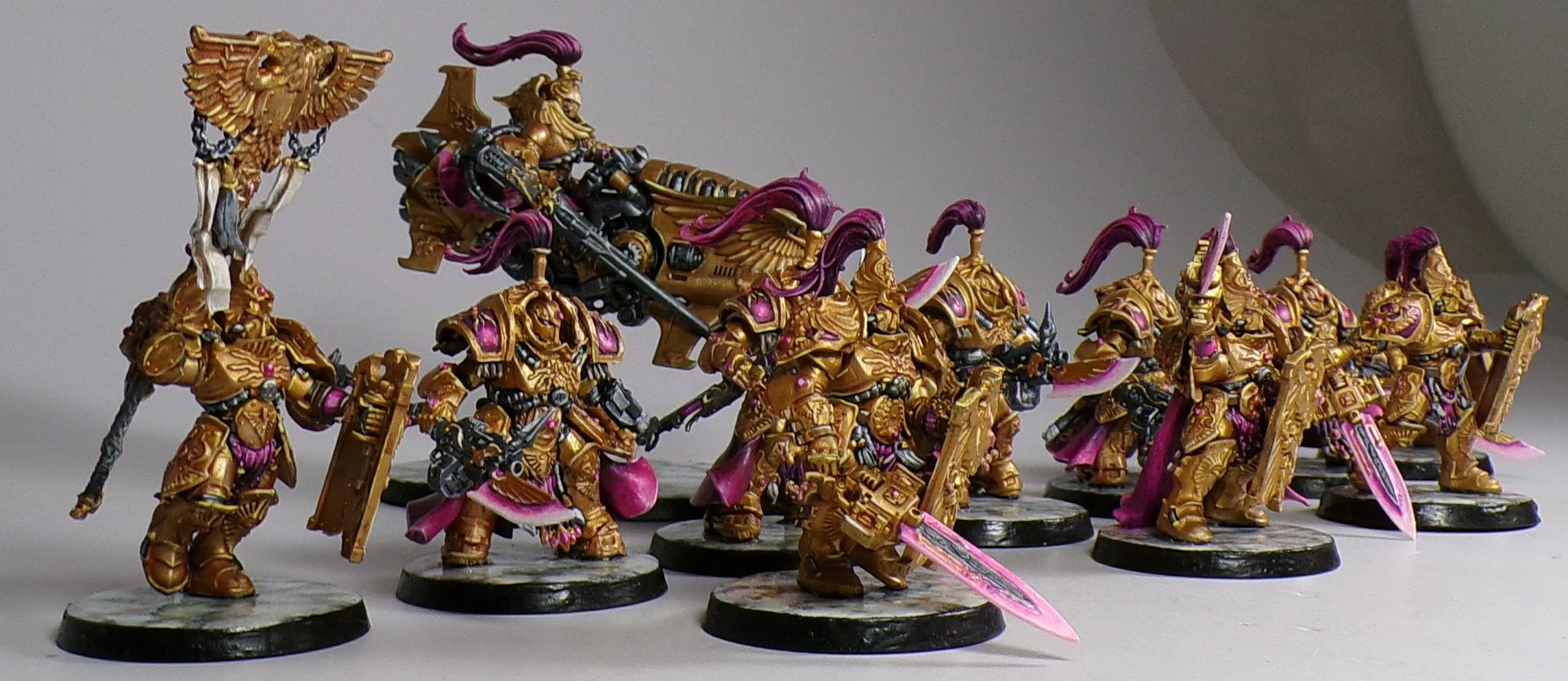
One of the most striking custom Adeptus Custodes painting commissions we’ve worked on featured a client vision that embraced the sheer grandeur of the Emperor’s finest while introducing a bold and distinctive color palette. Built around bright polished gold armor accented by vivid pink and purple details, this custom Custodes army stood apart from the more traditional shield hosts found within Warhammer 40k lore. Combined with beautifully designed marble bases, the project gave us the opportunity to create a force that fully embraced the elegance and prestige that define the Adeptus Custodes while adding a fresh and personalized identity.

The foundation of this custom Adeptus Custodes paint scheme was its polished gold armor. While gold remains the iconic color most associated with the faction, achieving a bright metallic finish requires careful layering, smooth blending, and precise highlighting to create the rich reflective quality expected of the Emperor’s personal guardians. For this Warhammer 40k miniature painting commission, we focused on creating vibrant metallic surfaces that gave each model an almost ceremonial appearance, ensuring the armor looked pristine while still allowing the fine sculpted details to remain sharp and well-defined.

What truly made this custom Custodes army stand out, however, were the vibrant pink and purple accent colors chosen by the client. Plumes, robes, decorative cords, and ornamental details were painted using rich magenta and deep violet tones, creating a dramatic contrast against the bright gold armor. From a miniature painting perspective, these bold secondary colors brought a different energy to the army compared to more conventional Adeptus Custodes schemes. The warm metallic gold paired with the saturated pink and purple accents, giving the force a regal and stylized appearance that drew attention across the entire collection.

The marble bases played a major role in elevating the overall presentation of the army. Rather than opting for traditional battlefield basing, this commission featured bright marble-style bases that reinforced the luxurious aesthetic running throughout the project. The clean marble texture complemented the polished armor well, creating the impression that these warriors were standing within the halls of an Imperial palace rather than on the battlefield. We always appreciate when clients incorporate basing ideas into their commissions, as it allows the entire army to feel more cohesive and complete.

Characters were rewarding to paint within this custom shield host. Models such as Shield-Captains, Blade Champions, and elite Custodian Guard benefited from the dramatic color contrast, with the gold armor drawing the eye while the vibrant pink and purple details added layers of personality and individuality. Combined with the elegant marble bases and painted weapon details, these centerpiece models became some of the most  memorable Adeptus Custodes miniatures we’ve had the opportunity to work on.

Throughout our years providing Adeptus Custodes painting services, custom commissions like this continue to remind us how versatile the faction can be from a miniature painting perspective. This gold, pink, and purple custom Custodes army demonstrated how even small departures from established lore can create a fresh visual identity while preserving everything that makes the Adeptus Custodes so iconic. Projects like these are always rewarding, allowing us to combine technical precision with a client’s unique creative vision to produce truly unforgettable Warhammer 40k miniature painting commissions.

Painting Adeptus Custodes armies over the years has been an rewarding experience for us at PaintedFigs Miniature Painting Service. From iconic shield hosts such as the Shadowkeepers and Emissaries Imperatus to personalized custom Adeptus Custodes armies designed around our clients’ unique creative visions, each project has given us the opportunity to explore the incredible craftsmanship, lore, and visual grandeur that make the Emperor’s chosen guardians one of the most striking factions in Warhammer 40k. Every commission presents its own challenges, whether it involves achieving flawless metallic finishes, balancing intricate secondary color palettes, or bringing original custom schemes to life through the premium miniature painting techniques we specialize in here at PaintedFigs Miniature Painting Service.

The Adeptus Custodes stand apart within the Warhammer 40k universe not only because of their elite battlefield role, but because of the sheer level of detail present in every model. From Custodian Guard and Allarus Terminators to Blade Champions, Shield-Captains, and Vertus Praetors, each miniature offers incredible opportunities for high-end Warhammer 40k miniature painting. Over the years, our Adeptus Custodes painting commissions at PaintedFigs Miniature Painting Service have allowed us to work on everything from classic gold shield hosts faithful to established lore to fully custom Warhammer 40k army painting projects that push the boundaries of creativity and personal expression.

One of the things we’ve always appreciated most about Adeptus Custodes miniature painting is how versatile the faction can be despite its iconic identity. Some collectors prefer lore-accurate armies that reflect the established shield hosts of the Ten Thousand, while others enjoy exploring custom paint schemes that introduce entirely new color combinations, cultural inspirations, and unique visual themes. As a professional miniature painting service, PaintedFigs Miniature Painting Service always aims to preserve the elegance, prestige, and commanding presence that define the Adeptus Custodes while ensuring every army feels personal to the collector behind it. Whether we are painting a single character model or an entire Warhammer 40k army commission, our focus remains on delivering exceptional quality and attention to detail.

As we continue working on Warhammer 40k painting commissions from collectors around the world, Adeptus Custodes armies remain some of the most exciting and visually impressive projects we have the opportunity to paint. Whether it’s a traditional shield host, a custom Adeptus Custodes army, or a completely original Warhammer 40k miniature painting commission designed from the ground up, our goal at PaintedFigs Miniature Painting Service remains the same: to create display-worthy miniatures that look every bit as legendary as the warriors they represent. Every Adeptus Custodes project reminds us why Warhammer 40k miniature painting continues to be such a rewarding craft, and we look forward to bringing even more of the Emperor’s finest to life one commission at a time through the professional painting services we proudly provide at PaintedFigs Miniature Painting Service.

Exploring Space Marines we’ve painted: From Loyalist to Chaos: Miniature Painting Service

By Manul Chandilla

Over the years at PaintedFigs Miniature Painting Service, we’ve had the opportunity to paint a wide range of Space Marine factions, spanning both Loyalists and Chaos Legions. Each faction has its own distinctive look and feel, and we’ve worked hard to reflect that in our painting. From the proud colors of the Ultramarines to the dark, twisted schemes of the Chaos Legions, we try to approach each project with care and attention to detail, aiming to capture the essence of what makes each faction unique.

When we think about the Space Marine factions we’ve worked on, it’s clear that there’s more to them than just their color schemes. Every chapter and legion tells a story—whether it’s of loyalty to the Imperium or rebellion against it. Our role is to bring those stories to life through paint. Loyalist factions like the Raven Guard or the Blood Angels come with a sense of duty and history, while Chaos factions like the Word Bearers or the Death Guard challenge us to capture their darker, more chaotic nature.

In this article, we’re going to take a look at some of the factions we’ve had the pleasure of painting, sharing what makes each one special from a painter’s perspective. We’ve had the opportunity to do a lot of Space Marine armies throughout the years. Whether you’re looking to paint up a Loyalist chapter or bring some Chaos to the battlefield, we’re here to share what we’ve learned along the way.

At the end of the day, our goal is simple: to help you get the best possible version of your army on the table. We know that your minis represent more than just plastic and paint—they’re part of the stories you want to tell, the battles you want to fight. And if we can play a small part in making those stories a reality, we’re happy to do so.

A Massive Ultramarine Army - 163 Miniatures

One of the most memorable commissions we've had the privilege of working on was an Ultramarine army of truly impressive size. This wasn’t just any Ultramarine project—it was the largest we’ve ever tackled at PaintedFigs Miniature Painting Service, and it pushed us in ways we hadn’t anticipated. The client was meticulous, with a clear vision for how every detail should be handled. From the paint shades to the placement of decals on each and every unit, the instructions were comprehensive and detailed. This was no small undertaking, but the results we feel were more than worth the effort.

The army included multiple squads of Tactical Marines, Devastators, Terminators, Dreadnoughts, vehicles like Rhinos and Land Raiders, and several high-ranking characters like Marneus Calgar himself. Every unit had a role to play in this grand force, and each had to be painted with the utmost care to ensure consistency and precision across the entire army. With so many units to cover, the key was to stay organized and take things step by step, without letting the sheer size of the project become overwhelming.

What made this commission challenging was the client's attention to detail. From the very start, it was clear they had a strong vision for their Ultramarine army, and they weren’t afraid to communicate it. They provided us with references, down to the exact placement of chapter symbols, squad markings, and battle honors on each model. Decals had to be applied with precision, and any slight variation from the specifications would have been noticeable. While this level of detail required an extra layer of care and planning, we knew it was essential to meet the client’s expectations.

Throughout the process, we found ourselves taking on a variety of challenges. The sheer number of models alone was enough to make this project stand out, but it was the complexity of the instructions that really set it apart. Each unit had its own set of specific guidelines, meaning that no two squads were alike. This difference mainly took place through differing decals and marks. It wasn’t just about painting—they wanted their army to tell a story through every unit, every detail, and every mark of honor.

The decals, in particular, were a delicate task. Working on a large army means working with a lot of decals, and in this case, the placement of each one had to be precise. Every squad had their own unique badges and identifiers, and the client had requested that we go the extra mile in making sure they were aligned. It required a steady hand and a lot of patience, but as the army began to come together, the decals added a layer of authenticity that brought the Ultramarines to life. Each unit felt cohesive yet unique, contributing to the overall narrative of the army.

Despite the challenges, this project was an incredibly rewarding experience for our team. We had to dig deep into our skills, learning new techniques along the way and refining our process to handle the scale and level of detail required. This wasn’t a project we could do in our sleep. Every step of the way, we made sure to review our progress with the client, ensuring that their vision was coming to life as they had imagined.

One of the most satisfying moments of the entire project came when we were able to deliver the completed army to the client. Reading their reaction made all the hard work worth it. Their meticulous feedback throughout the project had set high expectations, and meeting those expectations was a huge achievement for our team. The army wasn’t just a collection of models anymore—it had become a unified force, ready to take on the battlefields of the 41st millennium.

Looking back on this Ultramarine commission, it’s easy to see why it stands out as one of the most significant projects we've taken on. It pushed us to our limits, challenged our abilities, and required a level of coordination and communication that we don’t often encounter. But that’s the nature of this work—every project is a learning experience, and every client brings something new to the table.

At the end of the day, we’re proud of the work we did for this army. It's satisfying to know that we were able to deliver a high-quality product that met the exacting standards of our client. It’s commissions like these that remind us why we do what we do—helping players bring their armies to life, one detail at a time, no matter the scale of the challenge.

A Huge Chaos Army - 234 Miniatures

After completing the massive Ultramarine army, we were approached by the same client with another exciting commission: a Word Bearer Chaos Space Marine army of equally impressive scale. Given the attention to detail they had demonstrated with their Ultramarines, we knew this Chaos project would be just as meticulous—and we weren’t wrong. The client once again brought a high level of care and concern to how every aspect of this army should be handled, from the color schemes to the placement of symbols and decals on each model. This order proved to be just as challenging as the Ultramarines, but also just as rewarding.

The Chaos army was vast, filled with a variety of units that reflected the dark and twisted nature of the Chaos Legions. From warped Daemon Engines to corrupted Space Marines and even imposing Lords of Chaos, each model demanded a unique approach to bring out the sense of rebellion and decay that defines Chaos factions. The color palette for this project was drastically different from the clean, bright blues and golds of the Ultramarines. Instead, we worked with darker, more sinister tones—deep reds, blacks, and rusted metallics—along with vibrant, eerie highlights to emphasize the unnatural energy that these forces channel.

The client’s vision for this Chaos army was just as clear as it had been for the Ultramarines. They wanted each model to tell a story of corruption and rebellion, with symbols of their allegiance to the Dark Gods visible on every unit. This meant that, once again, we had to pay close attention to the placement of decals, ensuring that each squad’s allegiance was clearly marked. The client provided detailed instructions, specifying where certain symbols of Chaos should go—whether they were the eight-pointed star of Chaos Undivided or the specific iconography of the Traitor Legions like the World Eaters and the Death Guard.

The decals themselves were a challenge. Just as with the Ultramarines, precision was key. The twisted, chaotic designs meant that placement was more than just aligning them perfectly—it was about making sure they felt integrated into the models. Chaos decals often involve intricate, warped patterns that had to blend into the weathered, battle-worn look of the army. We spent a lot of time making sure that these symbols didn’t just look placed on, but rather like they had become part of the armor and skin of the models, as though they had been branded by the Dark Gods themselves.

Painting the Chaos army also posed its own unique challenges. The Ultramarines had been all about clean lines and bright colors, whereas Chaos required a more organic, chaotic approach. We experimented with blending techniques to give the models a more “corrupted” look, using layering and washes to create a sense of decay and wear. The use of darker tones, combined with vibrant, unnatural highlights, helped bring the models to life, capturing that menacing aura that defines Chaos forces.

Despite the differences between the Ultramarine and Chaos armies, there was a similar level of care and precision required for both projects. The client had high expectations, and we knew from our previous experience with them that meeting those expectations would require patience and meticulous attention to detail. Each unit, whether a hulking Chaos Terminator or a twisted Daemon, had its own set of specific instructions, and we approached each with the same level of care we had brought to the Ultramarines.

Looking back, this Chaos army commission stands out not just because of its scale, but because of the creative challenges it posed. It pushed us to explore new techniques and approaches, especially in terms of blending, weathering, and making sure the army felt cohesive while still embracing the chaotic, fragmented nature of Chaos forces. Like the Ultramarines, it was a project that tested our skills, but in the end, it was worth every moment of effort.

For us at PaintedFigs Miniature Painting Service, this Chaos army was another opportunity to bring a client's vision to life, helping them create a force that not only looks incredible on the tabletop but also captures the essence of the Warhammer 40k universe. It’s projects like these that remind us how much we enjoy the challenge of working on large-scale commissions, no matter how chaotic they may be.

Black Templars in All Their Glory - 81 Miniatures

One of the more recent commissions PaintedFigs Miniature Painting Service worked on was a Black Templars Space Marine army of such a size that we had to split the project into two separate phases. The client came to us with a very clear vision for how they wanted their army built and painted. Right from the start, we knew this was going to be another amazing project, with a lot of attention to detail. This also includes the weapon configurations and the overall appearance of the figures as well.

What stood out to us the most was the level of preparation the client had put into this commission. They provided us with a detailed document outlining exactly how they wanted each figure constructed—down to the specific weapon loadouts and poses for each unit. It’s not uncommon for clients to request specific builds, but the precision and clarity in this case were impressive. Not only that, but the client requested photos after the building process to double-check that everything had been done according to their specifications. This level of involvement was something we admired—it was clear they had a deep connection to the project and a vision they wanted to see realized down to the smallest detail.

We wanted to ensure the client was completely satisfied, so after we finished building the models according to their instructions, we sent over the requested photos. Seeing the models in this pre-paint stage allowed the client to verify that everything was in order before we moved on to the painting process. It also gave us an extra level of reassurance that we were on the right track, and the client’s feedback at this stage was crucial for ensuring that everything was progressing smoothly.

One part of this process that we found particularly rewarding was creating a sample model for the client before diving into the full army paint job. This sample allowed us to nail down the details of the paint scheme and gave the client a chance to make any final adjustments before we proceeded. The Black Templars have a striking and iconic color scheme—predominantly black armor with white and red accents—and the client wanted to stay true to that traditional look. However, after reviewing the sample, they did request one change to the color of the shoulder pads for certain models, which we were more than happy to accommodate.

Here’s what the client said after seeing the sample:

"The model looks great! There'll only be one change that I'd like with the shoulders that my build instructions will address. Basically on veterans, sergeants, and characters, the shoulder should be a black base with the cross being red. The red trim will stay for veterans as well, so the only change to the example model will be white --> black, Black cross --> red cross. The grime effect on the white background looks great and is exactly what I'm looking for with the rank and file of the army!"

This adjustment to the shoulder pads added a nice touch of character and distinction between the ranks, and it was a simple change that really enhanced the overall look of the army. The grime effect the client mentioned was another important element we incorporated, adding a weathered and battle-worn feel to the rank-and-file troops, which helped to emphasize the Black Templars’ relentless crusading nature.

With the sample approved and the final details clarified, we moved on to the full army. The Black Templars, known for their close-combat prowess and fanatical devotion to the Emperor, deserved a paint scheme that reflected their zeal. We stuck with the traditional black-and-white color palette, incorporating the red crosses and trim where needed, and made sure that each model had the gritty, battle-worn look that the client had requested. Each figure, from the rank-and-file Initiates to the towering Dreadnoughts and heroic HQ units, was painted with care to reflect the noble yet brutal nature of the chapter.

The result was an army that stayed true to the iconic look of the Black Templars while also incorporating those small, personalized touches that made it truly unique to the client. Seeing it all come together in the end was incredibly satisfying, especially knowing that we had worked so closely with the client to ensure every detail was just right. This commission, like the Ultramarines and Chaos projects before it, was a reminder of how rewarding it can be to take on large-scale, complex orders—especially when the client’s vision is so clearly defined.

It was quite the experience working on this client’s miniatures. With his claim that there’s more Black Templars to come, we are eager to see how big this army will grow with each passing order. Whether it’s a traditional scheme like the Black Templars or something entirely unique, we’re always eager to take on new challenges and help bring our clients’ visions to life.

The Emperor’s Children: Post-Heresy Brilliance in Full Display

One of the more striking commissions PaintedFigs Miniature Painting Service worked on was an Emperor’s Children army, painted in their Post-Heresy color scheme. Unlike some of the more rigid and detailed commissions we receive, this client was flexible with their instructions. They provided a collection of reference art, primarily drawing from Warhammer 40k’s established aesthetic, but they gave us the creative freedom to make decisions regarding the build and painting process.

The Emperor’s Children, as followers of Slaanesh, are known for their indulgence in excess, both in terms of their battlefield tactics and their visual style. The Post-Heresy color scheme reflects this perfectly, with its bold purples and golds. The client wanted to stay true to this palette, emphasizing the traditional look of the Emperor’s Children without deviating too far into custom territory. However, they weren’t overly specific about details like weapon loadouts or poses, which gave us room to explore the models creatively while ensuring the core visual style was maintained.

Building the army itself was a smooth process. The client allowed us to make decisions about how the units were configured, which is always a great opportunity for us to ensure each figure looks dynamic and engaging. While some clients are very particular about exact poses and weapon configurations, this one was happy to leave those choices up to us, as long as the end result captured the essence of the Emperor’s Children. Despite the creative freedom, they did request photos after the building process to ensure everything was on track, which we gladly provided. This allowed the client to review the models before we began painting, giving them peace of mind that everything was progressing as expected.

The painting process was where the project really came to life. Sticking closely to the established Emperor’s Children color scheme, we worked with a palette dominated by rich purples and shimmering golds. The deep, royal purple armor of the Emperor’s Children is iconic, and it was important to get the tones just right. We used careful blending techniques to give the armor a polished, almost luxurious appearance, contrasting nicely with the gold details that adorned the figures. Black and silver accents were used to break up the brighter colors and add depth to the overall look.

The client’s reference art gave us a good idea of what they were looking for, but they also encouraged us to take some liberties with smaller details. For example, while we stayed true to the established scheme, we added subtle variations in shading and highlights to give the army a sense of depth and movement. The models were also given a slightly weathered look to reflect their battle-hardened nature, without going overboard on grime or damage. This balance between a clean, regal appearance and a worn, battlefield-ready aesthetic was something the client was very happy with.

One of the key challenges with any Emperor’s Children project is ensuring the models don’t become too overwhelming visually. The bright colors and bold designs can easily dominate if not handled carefully, so we focused on keeping the details crisp without overloading the models with too much flair. By focusing on the natural contrast between the purple and gold, we managed to create a cohesive look that was striking without feeling too chaotic.

In the end, the client was very pleased with how the project turned out. The flexibility they allowed us made the process enjoyable and gave us the opportunity to bring their vision to life while adding our own touch. Working on an Emperor’s Children army, with its iconic color scheme and rich history in Warhammer 40k, is always a rewarding experience, and this project was no exception. It was a great reminder of how a balance between client input and creative freedom can lead to a fantastic result.

For anyone considering a Chaos faction for their next Warhammer 40k army, the Emperor’s Children offer a chance to work with a visually stunning and narratively rich palette. Whether you're sticking to Games Workshop’s established designs or adding your own twist, the possibilities with this faction are nearly endless, and we’re always excited to see what clients bring to us next.

Painting the Wolfspear: A Chapter Born from the Space Wolves

One of our more detailed projects involved painting a Wolfspear army—a relatively new successor chapter of the Space Wolves. The client came to us with a clear idea of what they wanted, but instead of providing a long list of instructions, they handed us an issue of White Dwarf magazine, which featured an entire section dedicated to how the Wolfspear Space Marines are painted. The article included everything from color schemes to weathering techniques, along with a decal sheet specifically designed for this chapter. Our task was to use the article as a guide to bring the Wolfspear to life on the tabletop.

The Wolfspear is a successor chapter that retains much of the feral, wolf-like nature of the Space Wolves, but with a distinct color scheme and personality. Their armor is primarily grey with black and white details, which gives them a stealthy, tactical appearance. The client specifically requested that we follow the painting guide in the magazine to the letter, ensuring that the models stayed true to the established look of this chapter. They wanted their army to reflect the lore and design that Games Workshop had laid out for the Wolfspear, which made the White Dwarf article an invaluable resource for us throughout the process.

One of the key elements of this project was the use of decals. The magazine issue provided a decal sheet for the Wolfspear, which we applied to various units. These decals helped define the chapter markings and other insignias, such as the chapter symbol and tactical squad identifiers. However, as the project went on, it became clear that the decals provided weren’t quite enough to cover the entire army. Rather than cut corners or leave any models unfinished, we decided to take matters into our own hands. Using the decals from the magazine as a template, we printed additional decals ourselves to make sure every unit was properly marked and consistent with the Wolfspear theme.

While this required a bit of extra effort, we knew it was important to meet the client’s expectations. They had trusted us to stay true to the Wolfspear design, and cutting back on the decals would have diminished the overall impact of the army. By going the extra mile and printing more, we were able to maintain the high standard of quality the client was looking for, and ensure that every model looked cohesive and true to the chapter.

The painting process itself followed the guide closely. The Wolfspear have a muted, tactical color scheme, which meant a lot of focus on clean lines and subtle highlights. We paid careful attention to the black and white details, making sure they contrasted well with the grey armor without overpowering it. The client didn’t request any major deviations from the established scheme, so we worked to keep everything in line with the official guide, adding some light weathering to give the models a battle-worn look. This helped emphasize their role as a more tactical, stealth-oriented chapter compared to their parent chapter, the Space Wolves.

The project wasn’t without its challenges, but those challenges were what made the process so rewarding. The client was clear in their expectations, but flexible enough to allow us to find solutions—like printing the extra decals—when necessary. This kind of collaboration always makes for a smoother experience, and the result was an army that reflected the client’s vision, as well as the established lore of the Wolfspear chapter.

In the end, the client was pleased with the result, especially the attention to detail we had given to ensure the decals matched the official design. For us at PaintedFigs Miniature Painting Service, it was a reminder of how important it is to adapt and find solutions when working on armies that have specific, lore-based designs like the Wolfspear.

Whether it’s a project based on classic Space Marines, a newer successor chapter like the Wolfspear, or even a completely custom faction, we’re always happy to work with clients to bring their armies to life. This Wolfspear commission was a great example of how even the most detailed and specific requests can be met with the right tools, patience, and a bit of creativity. It’s commissions like this that remind us why we love what we do.

Thousand Sons: Bringing Magnus and His Legion to Life

This particular project marked the first time we worked with a new client who was looking to commission a Thousand Sons army. From the very beginning, it was clear that they wanted to stay faithful to the official colors of the Thousand Sons, the infamous legion of sorcerers that serves Tzeentch, the Chaos God of change. The vibrant blue and gold color scheme of the Thousand Sons is iconic, and the client wanted to ensure that every model, from the rank-and-file Rubric Marines to the towering Magnus the Red, stayed true to Games Workshop’s official vision.

Magnus the Red, the Primarch of the Thousand Sons, was the centerpiece of this order. This massive figure, with its dynamic pose and intricate details, stood out as the star of the entire army. The client wanted Magnus to be painted with a level of care and attention that would make him truly stand out on the battlefield, while still being in line with the established lore and colors of Warhammer 40k. We knew that the success of this project hinged on getting Magnus just right, and we took the time to ensure every detail was handled carefully.

The challenge with painting Magnus, and the Thousand Sons in general, is balancing the vivid colors with the intricate details. Magnus himself features a lot of contrasts, from the fiery red of his skin to the deep blues of his armor and the shining golds of his embellishments. To stay true to the official scheme, we made sure that the blues were rich and deep, contrasting beautifully with the gold trim. Magnus’s massive wings were another focal point—carefully blending the colors to give them a dynamic, almost ethereal look was essential to capturing his larger-than-life presence.

The client had a clear idea of what they wanted, but they also trusted us to bring our own expertise into the mix. While they were firm about staying true to the official Thousand Sons colors, they gave us some room to enhance certain elements. For Magnus, we focused on shading and highlights to bring out the depth in his muscular form and armor, while making sure the figure looked cohesive with the rest of the army. We avoided any excessive custom details, instead leaning into the natural grandeur of the model and letting the official design do most of the talking.

For the rest of the army, we followed the same approach. The Thousand Sons are known for their Rubric Marines—soulless warriors encased in their distinctive blue and gold armor. These units needed to reflect the same attention to detail as Magnus, ensuring that the army looked cohesive while still allowing Magnus to stand out as the central figure. The vibrant blue armor of the Rubric Marines, paired with their ornate gold details, provided a lot of opportunity for crisp, clean painting, with the goal of making them look as though they had stepped straight out of a Games Workshop showcase.

Despite the high level of detail required for this project, it was a smooth process from start to finish. The client was clear in their vision, and they trusted us to handle the execution. That trust gave us the space to focus on what we do best—delivering high-quality painting that stays true to the lore while adding just enough flair to make the army feel unique.

The end result was a Thousand Sons army that remained faithful to the official color scheme while still feeling dynamic and visually striking. Magnus the Red, with his imposing presence, stood as the centerpiece of the army, commanding attention both on and off the battlefield. The client was pleased with how the project turned out, especially with the way Magnus was handled, which is always gratifying for us as painters.

Working on armies like the Thousand Sons, where color and detail are so integral to the faction’s identity, is always a rewarding experience. It reminds us of how important it is to balance faithfulness to the source material with the need to make each model stand out. Whether it's a new client or someone we've worked with for years, we always strive to bring their vision to life in a way that stays true to Warhammer 40k’s rich lore while adding our own touch.

Crafting a Warhammer 40k army can be pretty satisfying. Whether it’s the unwavering loyalty of the Ultramarines, the chaotic brilliance of the Emperor’s Children, or the mysterious might of the Thousand Sons, each army tells a unique story. Staying true to the iconic colors and designs, while capturing the spirit of the game, is key to making these armies stand out on the battlefield.

From meticulous attention to decals on a Wolfspear Space Wolves force to recreating the grandeur of Magnus the Red in a Thousand Sons army, each project carries its own set of challenges and rewards. Staying true to the established color schemes and lore—whether loyalist or chaos factions—ensures that the models not only look cohesive but also feel authentic to the Warhammer 40k universe. The careful combination of official guidelines and personalized details results in armies that are visually striking and lore-accurate, without compromising the player’s vision.

From Warhammer 40k Painting Commissions to Custom Warhammer 40k Models and Unique Miniature Commissions, the world of Warhammer offers endless possibilities for crafting armies that are both beautiful and battle-ready. Each project is a journey, from selecting the color palette to ensuring the right decals and finishes are applied. Whether its loyalist chapters like the Ultramarines or the corrupted ranks of the Thousand Sons, the process of building a Warhammer army is a rewarding and creative endeavor.

When working on Custom Warhammer 40k Models and Terrain, staying true to Games Workshop’s vision while embracing personal touches allows each army to stand out as a unique force. Every completed commission is a testament to the balance between official lore and individual creativity, ensuring the models are both faithful to their origins and reflective of the player’s personal style.

Types Of Chaos Space Marines We've Painted Over The Years

By Manul Chandilla

Chaos Space Marines, with their dark history and intricate lore, offer a unique challenge and thrill for any miniature painting service. Over the years, we’ve had the opportunity to work on a wide variety of Chaos armies, each with its own distinctive look and character. From the traitorous legions that betrayed the Emperor to those warped by the influence of the Chaos Gods, every project has been an exploration into the heart of the Warhammer 40k universe’s most fearsome and twisted warriors.

While we’ve worked with many factions across the Warhammer 40k spectrum, Chaos Space Marines have a special place in our portfolio. They embody both the grandeur of the Imperium and the corruption of the Warp, providing endless opportunities for custom Warhammer 40k miniature painting. Whether it’s capturing the menacing aura of the Death Guard’s decay or the vibrant, chaotic energy of the Thousand Sons, we’ve delved into the visual extremes these traitor legions have to offer.

At PaintedFigs Miniature Painting Service, the key to success has always been staying true to the essence of the Chaos Space Marines. While the game’s lore offers a detailed backdrop, translating that into a paint scheme requires more than just following standard guidelines. Each faction, each Chaos Space Marine army, tells a different story through their colors and details. Some clients prefer the raw, corrupted look of armies that have embraced the chaotic forces, while others opt for a more subtle nod to their heretical nature, emphasizing the Space Marines' once-loyal roots.

The power of Chaos lies in their iconic characters and also in the diversity of their warbands. From the hulking Chaos Terminators to the fast-moving Raptors, we’ve worked on a range of models that bring out the unique traits of each army. Through our Warhammer 40k painting services, we've been able to craft custom looks that elevate these models beyond just tabletop figures—they become representations of the lore and stories behind each faction.

Over time, the demand for Warhammer 40k painting commissions featuring Chaos Space Marines has grown. And with each new project, we’ve taken the time to focus on what makes each miniature stand out. Whether it's through unique Warhammer 40k miniature commissions or crafting elaborate dioramas, our goal has been to make sure that these Chaos armies look as imposing and detailed on the battlefield as they do in the lore.

In this article, we’ll explore the various Chaos Space Marine factions we’ve had the pleasure of painting, from the plague-infested forces of Nurgle to the sorcery-infused legions of Tzeentch. Each project has been a testament to the creativity and dedication of both the Warhammer 40k community and our painters, as we continue to bring the forces of Chaos to life one miniature at a time.

Chaos Cultists: The Loyal Servants of Chaos

While the imposing figures of Chaos Space Marines often take center stage in any army, the humble Chaos Cultists play a critical role in bringing the twisted forces of Chaos to life. These dark followers, often depicted as fanatical worshipers of the Chaos Gods, serve as the backbone of many Chaos armies. Over the years, we’ve had the opportunity to work on countless Chaos Cultists, from the standard troops to more unique models like those found in Blackstone Fortress.

What makes Chaos Cultists so fascinating is the sheer variety in their designs and the stories they tell. Despite their lower rank compared to the towering Chaos Space Marines, each cultist model offers a wealth of detail that can be explored through a skilled painting process. Whether it’s the ragged robes of a frontline fighter or the chaotic symbols adorning their makeshift armor, these models embody the essence of corruption and loyalty to the dark powers of the Warp.

Recently, we’ve painted a range of Warhammer 40k Chaos Cultists, each adding its own character to the armies they support. While the standard cultists often feature grim and gritty aesthetics—tattered clothes, makeshift weapons, and cruel expressions—we’ve also taken on more specialized commissions. One such example is the Blackstone Fortress Chaos Cultists, a set of models that brings even more unique elements to the table. These models, with their warped appearances and eerie designs, gave us the chance to push our creativity further, experimenting with custom Warhammer 40k painting techniques to capture the dark, mysterious atmosphere of Blackstone Fortress.

When painting Chaos Cultists, we often focus on making them appear as though they have been twisted and transformed by their loyalty to Chaos. Using techniques like weathering and shading, we can bring out the wear and tear on their clothing and armor, giving the models a well-worn look that matches their battlefield roles. Cultists are often depicted as disposable troops in the lore, but that doesn’t mean their appearance should be any less striking. In fact, we aim to give every Chaos Cultist we paint a distinct personality, reflecting their role within the larger Warhammer 40k universe.

The key to painting Chaos forces—whether it’s Space Marines or their lowlier servants like the cultists—lies in the balance between individuality and uniformity. While cultists may serve a single warband, each figure is often a representation of how Chaos affects its followers. Some might bear more visible mutations, while others remain human, albeit twisted in mind and soul. This diversity allows for a wide range of customizations and unique Warhammer 40k miniature commissions that clients can request.

We’ve seen an increasing interest in Chaos Cultists, with the growing popularity of expansions like Blackstone Fortress. These models bring something fresh to the tabletop while still staying true to the dark, gritty themes of Chaos armies. Whether it’s painting a standard squad of cultists or diving into more specialized projects, we take pride in ensuring that each model captures the dark allure of Chaos.

The Emperor’s Children: Perfection in the Name of Slaanesh

The Emperor’s Children, devoted followers of Slaanesh, the Chaos God of excess and perfection, have always provided a fascinating challenge when it comes to miniature painting. With their vibrant purple and gold armor and the intricate details that reflect their obsession with perfection, every Emperor’s Children commission is a unique opportunity to capture both elegance and corruption. Over the years, we’ve painted several Emperor’s Children armies, each one pushing us to refine our techniques and embrace the decadent aesthetic of these Chaos Space Marines.

The signature color scheme of the Emperor’s Children—rich purples contrasted with gleaming gold—sets them apart from other Chaos factions. One of the most rewarding aspects of working on these commissions is achieving that balance between the vivid, almost luxurious color palette and the dark, corrupt undertones that define all Chaos Space Marines. When painting these models, we focus on ensuring that the purple armor shines with a regal brilliance while the gold trim adds a sense of grandeur, without overshadowing the finer details of the model.

In several of our Warhammer 40k painting commissions, we’ve had the chance to experiment with different shades of purple and gold to meet the specific preferences of clients. Whether it’s a more traditional Emperor’s Children army or a custom interpretation of their colors, we take pride in ensuring that each model looks both striking and true to the lore. Achieving that flawless finish on the armor is essential, given the Emperor’s Children’s devotion to perfection, and our miniature painting service uses a combination of layering and highlighting techniques to get that smooth, almost polished effect.

Beyond the standard infantry, the Emperor’s Children are known for their elaborate characters and champions, many of whom have been enhanced by the dark gifts of Slaanesh. These models often feature more intricate details, such as ornate weapons, elaborate cloaks, and the occasional mutation. Painting these characters is always an exciting challenge, as they require a more delicate touch to bring out the details that make them stand out on the battlefield. One recent project involved painting a Chaos Lord of Slaanesh, complete with his baroque armor and serpentine mutations. For this model, we focused on maintaining the regal feel of the armor while using subtle washes and glazes to emphasize the more chaotic elements.

The Noise Marines of the Emperor’s Children are another highlight of any Slaanesh army. These warriors, armed with sonic weapons that can shatter their enemies' minds and bodies, have a very distinctive look. We’ve painted several squads of Noise Marines, each time focusing on the vibrant colors and exaggerated designs that make them so iconic. Their armor often features more dynamic patterns and additional flair compared to regular Chaos Marines, and we’ve found that bright, neon accents—pink, blue, and even white—help to give them that excessive appearance that Slaanesh demands. These models allow for some creativity, and we’ve enjoyed experimenting with different techniques to bring their sonic weapons to life.

Vehicles also play a significant role in an Emperor’s Children army, and we’ve had the chance to paint everything from Rhinos to the infamous Sonic Dreadnoughts. These war machines are often adorned with the same vibrant purple and gold armor, along with intricate patterns and chaotic symbols that reflect their devotion to Slaanesh. When working on these vehicles, we take care to apply smooth gradients on the large armor panels, ensuring that the purple looks rich and the gold shines without being too overwhelming. This attention to detail helps the vehicles feel like a natural extension of the infantry, adding to the unified look of the army on the tabletop.

Emperor’s Children Miniature Painting has always been about finding that balance between beauty and corruption. Their models demand precision, but also offer the chance to explore the excesses of Chaos. Each project, whether it’s a squad of Noise Marines or a Lord of Slaanesh, is an opportunity to capture the twisted perfection that the Emperor’s Children are known for, and we’ve always appreciated the creative challenges that these commissions present.

The Thousand Sons: Masters of Sorcery and Servants of Tzeentch

The Thousand Sons, with their mastery of psychic powers and allegiance to Tzeentch, the Chaos God of change and sorcery, are one of the most awe-striking factions in Warhammer 40k. Their distinctive blue and gold armor, combined with the intricate iconography of Tzeentch, has made them a favorite for both players and painters alike. At PaintedFigs Miniature Painting Service, we’ve had the pleasure of working on several Thousand Sons commissions, each one offering an opportunity to explore the mystical and arcane themes that define this powerful legion.

The characteristic blue and gold color scheme of the Thousand Sons presents an exciting challenge. The deep, rich blue of their armor contrasts well with the ornate gold detailing, and it’s important to get this balance just right. We’ve spent a lot of time perfecting our approach to painting these models, using precise techniques to ensure the blue armor looks smooth and vibrant while the gold trim provides that regal finish without overpowering the model. One of the key aspects of painting the Thousand Sons is ensuring that the gold detailing enhances the look of the armor rather than distracting from it.

In some of our Warhammer 40k painting commissions, we’ve been asked to paint not just traditional Thousand Sons armies, but also custom interpretations of their classic color scheme. Whether sticking to the traditional blue and gold or experimenting with different hues to capture the client’s vision, we’ve always aimed to stay true to the lore of the Thousand Sons, who are known for their dedication to perfection and mastery of sorcery. We’ve found that layering the blue tones and applying delicate highlights on the gold helps bring out the intricate designs and adds depth to the models.

A rewarding aspect of painting the Thousand Sons is working on their unique infantry and characters. The Rubric Marines, with their complex armor designs and psychic auras, offer plenty of opportunities to showcase detailed painting techniques. We’ve painted several squads of Rubric Marines, focusing on bringing out the subtle arcane elements of their armor. Using soft glows around their psychic symbols and runes, we aim to give these warriors the appearance of being steeped in sorcery, reflecting their role as servants of Tzeentch. Also, we often employ weathering techniques on the armor to add an ancient, almost mystical feel to the models.

One of the most iconic figures in the Thousand Sons army is Ahriman, the Chief Librarian and one of the most powerful psykers in the galaxy. Painting Ahriman is always an exciting challenge, given the intricate details of his armor and staff. We take special care to emphasize the arcane symbols and runes on his model, using glowing effects and subtle shading to make these features stand out. Ahriman’s signature headpiece and flowing robes also offer a chance to experiment with different textures and finishes, ensuring that the model looks as grand and imposing as the lore suggests.

Vehicles and larger models also play a key role in any Thousand Sons army. We’ve had the opportunity to work on a variety of Thousand Sons war machines, from Rhinos to Chaos Predators, all adorned in the faction’s signature blue and gold. Painting these vehicles requires a steady hand and attention to detail, when it comes to the intricate gold trim that runs across their armor plates. We also take the opportunity to incorporate magical effects, such as glowing runes and ethereal energy, to reflect the army’s deep connection to sorcery. This adds visual interest while also reinforcing the army’s identity as masters of the arcane.

Throughout our time painting the Thousand Sons, our miniature painting service has czome to appreciate the balance between their elegant armor and their chaotic, sorcerous nature. Each commission has been an opportunity to delve into the rich history and lore of this iconic faction, and we’ve always strived to bring out the full potential of these models. Whether it’s a squad of Rubric Marines or a towering Daemon Prince of Tzeentch, we approach each project with care and dedication, ensuring that the final result reflects both the client’s vision and the mysterious, powerful aura that defines the Thousand Sons.

The Death Guard: Nurgle’s Rot and the Resilience of Chaos

The Death Guard, loyal followers of Nurgle, the Chaos God of decay, disease, and resilience, are one of the most iconic and unique factions in Warhammer 40k. Known for their weathered and corrupted armor, they offer a distinct challenge when it comes to miniature painting. At PaintedFigs, we’ve been fortunate to work on a number of Death Guard commissions, each one allowing us to explore the intricate, grotesque details that define this infamous legion.

The characteristic aesthetic of the Death Guard is one of decay and corruption. Their armor, once loyalist Space Marine plate, is now riddled with rust, corrosion, and the grotesque influence of Nurgle’s blessings. In our Warhammer 40k painting commissions featuring the Death Guard, we focus on bringing out this decayed look, using a variety of weathering techniques to create rust effects, dirt, and grime. These models allow us to embrace the grittier side of painting, where imperfections are expected and are part of the design.

One of the defining features of the Death Guard is the muted, earthy color palette. The pale greens, browns, and rusted metals reflect their long journey into corruption, and we take care to capture this with subtle shading and highlights. The use of washes and pigments helps create the worn, grimy look that Death Guard models are known for, giving them a battle-hardened and decayed appearance. We’ve found that using these techniques across the entire model—whether it’s infantry, vehicles, or characters—adds to the overall atmosphere of rot and endurance that defines the Death Guard.

In some commissions, clients have asked for more extreme effects, such as rusted armor or models dripping with ichor and Nurgle’s filth. For these projects, we’ve been able to experiment with more advanced weathering techniques, incorporating texture paints and pigments to add layers of decay. The end result is often a unique army that looks as though it’s been waging war for millennia in the name of Chaos and Nurgle. These projects give us the chance to push the limits of our creativity while staying true to the lore of the Death Guard.

Characters are a big part of the Death Guard’s identity, and models like Typhus, the Herald of Nurgle, offer an exciting challenge. When painting Typhus, we focus on the grotesque details of his armor and scythe, as well as the swirling miasma of disease that surrounds him. His model is covered in intricate details, from the decaying flesh to the toxic gases that billow from his armor. These elements require a careful balance between texture and color, and we take pride in making sure that every part of Typhus’s model is as detailed and revolting as Nurgle himself would want.

The Plague Marines, the backbone of any Death Guard force, also offer a lot of room for creativity. We’ve painted numerous squads of Plague Marines, each time working to make them look grotesque and battle-worn. The diseased, bloated bodies of the Plague Marines often feature exposed flesh, boils, and other unpleasant details that we bring to life using a combination of layering, glazing, and washes. The goal is to create a look that is both revolting and resilient, capturing the amazing endurance of these warriors.

Vehicles are another important part of any Death Guard army, and we’ve had the pleasure of working on several of their iconic war machines through our miniature painting service, including Plagueburst Crawlers and Foetid Bloat-drones. This opens up a lot of possibilities for a miniature painting service. These machines of war are covered in rust, decay, and the filth of Nurgle’s garden, making them perfect for experimentation with weathering techniques. We focus on adding layers of grime and corrosion to give them a look that matches their lore—machines that have been fighting for centuries, covered in the rot and muck of countless battlefields.

The Death Guard represents the enduring power of Chaos, Nurgle’s domain of disease and decay. Each commission has been an opportunity to explore the darker, more corrupted side of the Warhammer 40k universe, and we’ve always enjoyed the challenge of bringing these models to life. Whether it’s a squad of Plague Marines or a towering war machine, the Death Guard offers endless possibilities for creative and thematic painting, and we’re always excited to see where the next project will take us.

Chaos Undivided: The Unified Fury of Chaos

Chaos Undivided represents the raw, unrestrained power of Chaos in Warhammer 40k, drawing strength from all four Chaos Gods rather than dedicating themselves to a single patron. From the infamous Black Legion to countless renegade warbands scattered across the galaxy, Chaos Undivided armies are some of the most diverse and rewarding factions we’ve worked on at PaintedFigs. Their dark armor, corrupted iconography, and battle-worn appearance make them a favorite choice for Warhammer 40k painting commissions and Chaos Space Marine collectors alike.

One of the most exciting aspects of painting Chaos Undivided miniatures is the sheer variety they allow. Unlike more uniform legions such as the Thousand Sons or Death Guard, Chaos Undivided warbands often feature a mix of colors, trophies, mutations, and chaotic embellishments. Over the years, we’ve painted numerous Chaos Space Marines in classic black and gold schemes inspired by the Black Legion, while also working on custom warbands that incorporate crimson armor, corrupted silver trim, and even glowing daemonic effects. This flexibility allows us to tailor each commission to match the client’s vision while still maintaining the grimdark aesthetic that defines Warhammer 40k.

Painting Chaos Space Marines requires careful attention to texture and detail. Their armor is often covered in spikes, chains, battle damage, and warped mutations, all of which help tell the story of warriors who have spent centuries fighting in the service of Chaos. We’ve developed techniques to create weathered metallic finishes, scorched armor panels, and corrupted surfaces that give each miniature a realistic and battle-hardened appearance. Edge highlighting and layered metallics are most important when working on Chaos Undivided armies, helping the intricate trim and armor details stand out without losing the dark, menacing tone of the models.

Many of our Chaos Space Marine commissions also feature iconic units such as Chaos Terminators, Possessed Marines, and Chosen warriors. These models are packed with chaotic details, making them rewarding to paint. The Possessed in particular offer opportunities to experiment with fleshy mutations, glowing eyes, and daemonic claws, creating miniatures that feel corrupted by the Warp. We often use subtle lighting effects and contrasting textures to emphasize the unnatural fusion of flesh and armor that makes these units so distinctive on the tabletop.

A major highlight of painting Chaos Undivided armies is working on their legendary characters. Abaddon the Despoiler, Warmaster of the Black Legion, is one of the most iconic villains in Warhammer 40k and always a centerpiece model in any collection. Painting Abaddon involves balancing rich black armor with ornate gold trim, while also ensuring his weapons and trophies command attention. We pay special attention to details such as the Talon of Horus and Drach’nyen, using shading and glowing effects to capture their immense power and chaotic energy. These centerpiece characters often become the focal point of an army, so bringing out every intricate detail is a crucial part of the process.

Chaos vehicles and daemon engines are another standout feature of Chaos Undivided armies. From corrupted Rhinos and Chaos Land Raiders to terrifying Heldrakes and Forgefiends, these models combine brutal machinery with daemonic corruption in unique ways. Painting these larger models allows us to explore weathering effects, glowing warp energy, and metallic textures on a much larger scale. We often incorporate rust, oil streaks, and heat staining to create the appearance of ancient war machines that have endured countless battles across the galaxy.

Over the years, painting Chaos Undivided armies has given us the chance to explore some of the darkest and most creative aspects of Warhammer 40k miniature painting. Every army tells a different story, whether it’s a disciplined Black Legion force or a savage renegade warband consumed by mutation and madness. At PaintedFigs Miniature Painting Service, we always aim to capture the chaotic energy and individuality of these armies, ensuring every Chaos Space Marine miniature looks striking both on display and on the battlefield.

Painting the various Chaos Space Marine factions over the years has been a rewarding experience for us at PaintedFigs Miniature Painting Service. From the fanatical cultists who serve as the foot soldiers of Chaos, to the elite warriors of the Black Legion, Emperor’s Children, Thousand Sons, and Death Guard, each project has been an opportunity to dive deep into the rich lore and aesthetic of the Warhammer 40k universe. Every faction brings its own distinct challenges, from the corrupted elegance of the Emperor’s Children to the decay-ridden resilience of the Death Guard, and we’ve strived to ensure that each model we paint embodies the dark essence of its respective army.

The World Eaters: Berserk Warriors of Khorne

The World Eaters are one of the most brutal and aggressive factions in Warhammer 40k, devoted entirely to Khorne, the Chaos God of bloodshed and warfare. Known for their relentless melee combat and savage reputation, the World Eaters have become a fan-favorite Chaos Space Marine legion for collectors, players, and miniature painters alike. At PaintedFigs Miniature Painting Service, we’ve worked on a wide range of World Eaters miniature painting commissions over the years, each one giving us the opportunity to capture the raw violence and fury that defines this iconic faction.

The classic red and brass color scheme of the World Eaters immediately stands out on the tabletop. Their deep crimson armor, contrasted with weathered brass trim and blood-soaked weapons, creates a powerful visual identity that perfectly reflects their devotion to Khorne. Painting World Eaters miniatures requires balancing clean armor highlights with heavy battle damage and gore effects, ensuring the models look fierce and war-torn without becoming visually overwhelming. We’ve spent a lot of time refining techniques for layered reds, aged metallics, and realistic blood splatter effects to bring these Chaos Space Marines to life.

Many of our Warhammer 40k miniature painting commissions for the World Eaters involve both traditional color schemes and custom warband variations. While some collectors prefer the modern red armor associated with Khorne Berzerkers, others request nods to the legion’s original blue and white pre-Heresy appearance. We always aim to preserve the savage identity of the World Eaters while adapting each project to fit the client’s preferred style. Subtle weathering, chipped armor, and dark shading all help reinforce the sense that these warriors have spent centuries locked in endless battle across the galaxy.

One of the most rewarding parts of painting the World Eaters is working on their infantry units. Khorne Berzerkers, Eightbound, and Exalted Eightbound are packed with aggressive poses and chaotic details that make them incredibly dynamic miniatures. We often focus on emphasizing chainaxes, glowing eyes, and corrupted armor details to make the models feel as intimidating as possible. Using layered metallics and carefully placed blood effects helps capture the brutal nature of close combat that the World Eaters are known for. We also like to incorporate subtle texture variations on leather straps, skull trophies, and mutated flesh to add depth and realism to the miniatures.

A centerpiece in many World Eaters armies is Angron, Daemon Primarch of Khorne. Painting Angron is always an exciting challenge due to the sheer scale and complexity of the model. From his massive wings to the intricate details of his armor and weapons, every part of the miniature demands careful attention. We take special care when painting his glowing runes, burning weapons, and muscular flesh tones to create a model that feels powerful and terrifying on the battlefield. Large centerpiece models like Angron also allow us to experiment with dramatic lighting effects and intense contrasts, helping the miniature command attention in any collection.

Vehicles and daemon engines also play an important role in many World Eaters armies. We’ve painted everything from Rhinos and Land Raiders to Helbrutes and Maulerfiends, all heavily adorned with spikes, chains, and trophies taken from fallen enemies. These larger models are perfect for weathering techniques such as rust, heat staining, and battle scarring, giving them the appearance of ancient machines driven purely by rage and slaughter. We also frequently add blood effects and corrupted details to reinforce the brutal aesthetic that defines the followers of Khorne.

Over the years, painting the World Eaters has allowed us to explore some of the most intense and action-packed aspects of Warhammer 40k miniature painting. Their savage appearance, aggressive poses, and iconic red armor make them an incredibly satisfying faction to work on. Whether painting a squad of Khorne Berzerkers or a towering Daemon Primarch, we always aim to capture the fury, violence, and chaotic energy that make the World Eaters such an unforgettable Chaos Space Marine legion.

As we continue to work on these iconic armies, we remain grateful for the opportunity to explore the dark and fascinating world of Chaos. With every new commission, we aim to bring out the essence of these armies, ensuring that they look impressive on the battlefield and also tell a story that’s true to the legacy of Warhammer 40k.

Types of Necrons we’ve painted over the years

By Manul Chandilla

When it comes to Warhammer 40k armies, Necrons are both one of the most striking and lore-rich factions. Their ancient, mechanical forms and the unique themes that surround them make painting Necrons a challenge and a thrill for any professional painting service. Over the years, we've had the opportunity to work on many Necron commissions, each as unique as the dynasties they represent. Whether it's an elaborate Warhammer 40k custom paint job or more traditional takes, every Necron project brings its own set of intricacies, both in design and in execution.

The Necrons are a faction of undead robots—once a powerful and advanced race, now locked in a grim existence as mechanical overlords. From standard Necron infantry to towering Monoliths and Doomsday Arks, painting Necrons involves balancing cold, mechanical elements with flashes of eerie energy. Their skeletal figures, adorned with ominous green or blue glowing effects, demand a style that captures both the ancient and the futuristic.

While many clients come to us for traditional Necron color schemes—those iconic metal and glowing green combinations—others are looking for something more customized. And we’ve been fortunate enough to explore both sides. For example, we've had the pleasure of executing numerous custom Warhammer 40k Necron projects that incorporated unique color schemes to match specific dynasties or battle-worn themes, giving the models a narrative edge. Customizing Necrons allows for a vast range of creativity, as their lore leaves room for dynasties that range from polished metallic to worn and corroded looks, each telling a different story of the long-dormant warriors awakening.

As with any Warhammer 40k painting commission, there are key elements to watch out for when working on Necrons. Maintaining consistency in metallic finishes across units, ensuring the glowing elements contrast effect, and creating a dynamic sense of energy even in such skeletal models are all essential. Whether a client is after a basic tabletop standard or the highest-level Exhibition Quality, getting those details right is critical. That's why our professional Warhammer 40k painters always take extra care to consult with clients on their specific vision—whether they want their Necrons to have that 'freshly awakened' shine or look like they're dragging themselves out of millennia-old tombs.

At PaintedFigs, we've developed a wide range of techniques to make sure each commission looks both distinct and faithful to the universe. With every Necron army, we aim to balance the lifelessness of their metal bodies with the vibrant energy cores and glowing weapons that define their presence on the battlefield. Over the years, we've painted everything from standard Necron warriors to custom Necron lords, each designed to fit into their dynasty’s story while standing out as a awe-striking painted miniature.

In the following sections, we’ll explore some of the most memorable Necron armies we’ve painted—ranging from classic schemes to custom-crafted dynasties.

A Necron Army of Huge Scale

Every now and then, a commission comes along that reminds us just how vast the Warhammer 40k universe can feel. One such project was a Necron army requested by a client who wanted the entire force painted in the faction’s classic color scheme. Necrons, with their metallic silver bodies and glowing green accents, are recognizable, and the client was determined to stay true to that iconic look. What stood out most wasn’t just the color scheme, but the scale of the order itself—this was one of the largest armies we’d had the opportunity to work on.

The size of the project was impressive. It was large enough that even laying all the miniatures out on a table during the painting process was a sight to behold. This was something different from what we’re used to—an entire Necron dynasty in the making. The uniformity of the models, all standing in neat rows, gave a sense of order and purpose, as if the Necrons themselves were readying for battle. But while the size of the order was striking, it was the client’s approach that defined this project.

The client was clear from the outset about what he wanted, and that made a real difference. He was methodical, providing detailed instructions for every unit, ensuring that we understood how he wanted each miniature to look. Every element of the classic Necron color scheme was important to him, from the polished metallics to the exact hue of green for the energy rods. It’s always helpful when a client has such a precise vision, as it allows us to focus on bringing that vision to life without any uncertainty. His attention to detail was a clear reflection of his passion for his army, and it was that passion that guided the entire process.

There was a real sense of collaboration throughout the project. The client wasn’t just handing over his miniatures and waiting for the final product; he was involved in making sure we captured the look he had in mind. It was clear that he had spent a lot of time thinking about how he wanted his Necron army to appear, and his methodical approach helped us understand exactly what he was aiming for. He made sure that we stayed on track, which, in turn, made the whole process smoother for everyone involved.

From a painting perspective, the challenge was less about individual creativity and more about consistency. The classic Necron scheme may seem simple—metallics paired with glowing green—but getting that clean, mechanical look across an entire army requires a certain level of precision. Each miniature needed to fit with the others while maintaining the cold, ancient aesthetic that Necrons are known for. The uniformity of the army was key, and we worked carefully to ensure that every model, from basic Necron Warriors to larger Monoliths, fit within the client’s detailed instructions.

By the time the project was complete, seeing the entire army assembled was striking. There’s something about the Necrons, with their uniform metallics and eerie green energy, that gives them an imposing presence on the tabletop. While the scale of the project certainly added to that impact, it was the client’s clear vision that brought everything together. His methodical nature and dedication to getting everything just right made all the difference.

In the end, this commission was a reminder that every project is different. Some are defined by creativity, others by scale, and some—like this one—are shaped by the client’s passion and attention to detail. We were glad to be part of bringing his vision to life, and we’ll always remember the sheer scale of this Necron army as one of those moments that makes you stop and appreciate just how much care goes into each and every miniature.

A Necron Army in a Custom White Scheme

While the classic Necron color scheme is iconic, every so often, a client comes to us with a more unique vision for their army. One particular project involved a Necron army that was anything but standard. The client wanted his entire force painted in a custom white color scheme, far removed from the traditional metallic look that Necrons are known for. It was a bold choice, and we knew from the start that executing this vision would require careful planning and precision.

The client’s custom scheme didn’t stop at the white base. He had chosen gold for the joints and underbody—an interesting contrast that gave the Necrons a regal, almost ethereal appearance. The usual green energy rods were swapped for a vivid blue, which paired well with the snow-themed basing he requested. Snow-covered bases added an extra layer of character to the models, giving the impression that these ancient mechanical warriors were rising from an icy tomb, ready to reclaim the galaxy.

The entire project was commissioned at our Showcase Quality, which is a middle-tier service we offer, focusing on strong detail while maintaining efficiency. It’s not our top level, but it still requires attention to key elements to ensure the models stand out on the battlefield. The client’s vision was clear, but ensuring that we captured it required collaboration. To bring his vision to life, we started by creating several sample models. These samples allowed the client to see how the colors and basing would come together and gave us a chance to fine-tune the details until we reached something he was happy with.

Custom Necron color schemes like this are always an exciting challenge because they break away from the traditional Warhammer 40k aesthetic. White, in particular, is a tricky color to work with, especially when applied across an entire army. It requires a delicate balance to avoid looking too flat or too harsh. We worked through different layering techniques to give the white armor a clean yet worn look, fitting the ancient, battle-hardened nature of the Necrons. Meanwhile, the gold underbody provided a stark contrast, giving the models a touch of elegance while still maintaining their mechanical roots.

The blue energy rods and highlights were another key element. Switching from the standard green to blue gave the models a colder, more ancient technological feel, which worked well against the snowy bases. The blue added a vibrant energy to the otherwise cold, white figures, bringing them to life in a way that felt both unique and true to the spirit of the Necron faction. It’s not every day you see a Necron army walking through a snowstorm, so this particular color palette allowed us to play with contrasts in a creative way.

Throughout the project, the client remained involved, offering feedback and refining the vision until we reached a result that captured what he had in mind. It’s always helpful when a client has a clear idea of what they want, and in this case, the samples we produced along the way helped ensure that every aspect, from the snowy bases to the gold and blue accents, matched the client’s expectations.

Snow-themed bases, in particular, added another layer of complexity to the project. Snow basing, when done well, can create a stark contrast between the cold, lifeless Necron warriors and the harsh environment they walk through. We used various techniques to ensure the snow looked realistic without overpowering the models themselves. The aim was to complement the custom white armor and blue energy rods, creating a cohesive look that told a story through the visuals.

By the time the project was completed, the client’s Necron army stood out for its custom scheme and for the level of detail and care that went into every miniature. Seeing the whole army assembled with its snowy bases and striking color contrasts was a testament to the client’s creativity and the collaborative effort we put in to bring it all together. Custom Warhammer 40k commissions like this remind us that while the lore and standard color schemes are iconic, there’s always room to push the boundaries and explore new ideas.

A First Order in Black and Red

One of the things we value most is when a new client comes to us through the recommendation of someone we’ve worked with before. That’s how this particular Necron project began. The client was referred to us by an existing customer, and for his first order, he wanted something striking but simple: a Necron army painted in black, with silver as the underbody color and red energy details to add a sense of danger to the models. It was a clean, effective scheme that allowed the grim aesthetic of the Necrons to shine through.

The project itself was divided into two quality tiers. The bulk of the army was done in our Standard Quality, which focuses on delivering clean, game-ready miniatures at a more accessible level. Meanwhile, the HQ units—those critical leaders and centerpieces of the army—were painted in our Showcase Quality, giving them a bit of extra attention and detail to make sure they stood out on the battlefield. This combination allowed the client to get the best of both worlds: an army that looked cohesive, but with standout models that added an extra layer of impact.

When working with black as the primary color, it’s important to create depth so that the models don’t look flat. Black can be tricky in that regard, but we approached this scheme by subtly layering and highlighting certain areas to give the Necrons a sense of weight and age. The silver underbody served as a perfect contrast, creating the mechanical feel of exposed internal structures beneath the armored plates. Silver also added a sense of worn, ancient metal, fitting the Necrons' lore as a race of long-dormant, resurrected warriors.

The red energy accents were a bold choice. Necrons are often depicted with glowing green or blue, so the red gave these models a more aggressive, almost sinister feel. The glow from their weapons and power cores stood out against the dark armor, giving the sense that these Necrons were not just ancient machines—they were machines of destruction, brought back to life with a violent purpose. The color contrast between the black, silver, and red gave the models a stark, high-contrast look that was both striking and appropriate for the Necrons.

As with any commission, we made sure to stay in close communication with the client throughout the process. Since this was his first order with us, we wanted to ensure that he was comfortable with how everything was progressing. While the majority of the army followed a straightforward black and silver scheme, the HQ models required a bit more attention. These models, painted in Showcase Quality, needed extra highlights, detail work, and shading to stand out. HQ units are often the focal points of an army, and we wanted to make sure that the added detail was enough to distinguish them from the rank-and-file troops while still keeping the overall color scheme consistent.

One of the advantages of painting the HQ units at a higher quality tier is the ability to add subtle touches that elevate the model without deviating from the established color scheme. For example, we used fine edge highlights on the black armor to give the HQ models a more defined silhouette, and we added additional shading and texture to the silver underbody. The red energy on the weapons and power cores was given extra attention as well, ensuring that it had a vibrant, glowing effect that caught the eye without overpowering the rest of the model.

In the end, the client was very pleased with the results, and we were grateful for the opportunity to work with him on his first commission. It’s always rewarding to bring a client’s vision to life, especially when they come to us through a recommendation. The combination of Standard Quality for the army and Showcase Quality for the HQ units allowed us to strike the perfect balance between efficiency and detail, giving the client a cohesive force with a few standout models that captured the spirit of the Necron faction.

A Thokt Dynasty-Inspired Necron Army from 2013

One of the memorable commissions we worked on back in 2013 was for a client who wanted a unique take on the Necron Thokt Dynasty’s color scheme. Necrons have a wide variety of striking paint schemes across their dynasties, but the Thokt Dynasty stands out with its dark black metals and cool blue energy highlights. The client, who had been inspired by this particular dynasty’s look, came to us with detailed instructions on how he wanted his Necron army to be painted, and it was clear from the start that he had a strong vision for his models.

The instructions were thorough and divided into tiers. The first tier, which covered the main body color of the Necron units, was all about recreating the dark black metal that defines the Thokt Dynasty. This would form the core of the army's aesthetic, giving the Necrons that sleek, ancient look with a heavy metallic finish. The second tier dealt with the offset metal coloring on the weapons—lighter black metals that provided contrast without overpowering the dark body of the models. These subtle differences helped ensure that the weapons stood out but didn’t distract from the overall theme.

Where things got more interesting was in the third tier—the energy signature color. For most Necron armies, this would be a familiar green, but the client wanted something different. Drawing inspiration from the Thokt Dynasty, he opted for a vibrant blue energy signature instead. This blue would replace the standard green on Necron weapons and armor markings, but with an added twist: depending on the model, the shade of blue would vary in intensity. For units that used a lighter green, a brighter blue would be applied, while units with a deeper green would receive a darker, more intense blue. This ensured that the energy glow across the army wasn’t uniform but nuanced, lending a sense of dynamic movement to the models.

One of the standout features of this commission was the request to replicate the black and blue striped pattern from the Thokt Dynasty’s gauss flayer. This was no easy task, as the intricate striping required precision and careful layering to achieve the desired effect. The client was very understanding about the potential challenges of recreating such a detailed look, but we were pleased to say that we were able to pull it off. The gauss flayers turned out to be a striking feature of the army, adding an extra layer of detail that tied the models back to the Thokt Dynasty lore.

Moving into the fourth tier, the client requested that higher-ranking Necrons, such as Lords and Lychguards, be distinguished with gold highlights. This touch of gold, used on small sections of the armor pieces, signified rank and added a sense of hierarchy to the army. The dark black metal paired with the glowing blue energy already gave the models a sleek and ominous look, and the addition of gold provided a regal contrast without clashing with the overall color scheme.

Finally, the fifth tier focused on the HQ models. For these, the client wanted something special to indicate leadership. He asked us to use blood red instead of the aqua blue seen in the codex for these high-ranking figures. The red, paired with an energy wave pattern, would help distinguish these models while fitting with the rest of the army. It was a bold choice, but it worked well alongside the black, blue, and gold tones. The red marked out the HQ units and also gave them an added sense of authority and importance.

The vehicles, on the other hand, followed a simpler approach, keeping in line with the Thokt Dynasty’s default scheme from the codex, with the same black body, gold markings, and blue energy effects. The client was content to let the codex guide the look of his C'tan shards as well, opting for the familiar patterns that represent these mysterious entities.

In the end, this was one of the most planned commissions we’ve had the pleasure of working on. The client’s clear instructions and the striking color scheme of the Thokt Dynasty made for a memorable project. It’s always exciting to bring a vision to life, especially when the colors and details come together in such a cohesive and dramatic way.

Over the years, we’ve had the opportunity to paint a wide variety of Necron armies, each with its own distinct look. Whether it’s a classic Necron color scheme or something custom, every project we’ve worked on has been a new experience. From the traditional metallic and green designs to more unusual choices like white with snowy bases or black and blue, it’s been interesting to see how each client’s vision shapes their army.

We’ve learned a lot from working on these Warhammer 40k painting commissions. Clear instructions from clients always help us understand what they’re aiming for, and we do our best to bring that vision to life. Whether the commission is for a small unit or a large Necron force, we take the same care with each project, aiming to create models that our clients are happy with.

Painting Necrons, in particular, has been rewarding because of the range of possibilities within their faction. Every client brings something different to the table, and that’s what makes these projects enjoyable. We’re grateful for the trust our clients place in us, and we’ll continue to approach each new order with the same attention to detail.

As we look ahead, we’re looking forward to seeing what new ideas and challenges come our way, whether it’s for Necrons or any other Warhammer 40k army. Every project, big or small, is a chance for us to learn and improve, and we appreciate each opportunity to help clients create the army they envision.

Exploring Space Marines we’ve painted: From Loyalist Chapters to Chaos Legions

Over the years at PaintedFigs, we’ve had the opportunity to paint a wide range of Space Marine factions, spanning both Loyalists and Chaos Legions. Each faction has its own distinctive look and feel, and we’ve worked hard to reflect that in our painting. From the proud colors of the Ultramarines to the dark, twisted schemes of the Chaos Legions, we try to approach each project with care and attention to detail, aiming to capture the essence of what makes each faction unique.

When we think about the Space Marine factions we’ve worked on, it’s clear that there’s more to them than just their color schemes. Every chapter and legion tells a story—whether it’s of loyalty to the Imperium or rebellion against it. Our role is to bring those stories to life through paint. Loyalist factions like the Raven Guard or the Blood Angels come with a sense of duty and history, while Chaos factions like the Word Bearers or the Death Guard challenge us to capture their darker, more chaotic nature.

In this article, we’re going to take a look at some of the factions we’ve had the pleasure of painting, sharing what makes each one special from a painter’s perspective. We’ve had the opportunity to do a lot of Space Marine armies throughout the years. Whether you’re looking to paint up a Loyalist chapter or bring some Chaos to the battlefield, we’re here to share what we’ve learned along the way.

At the end of the day, our goal is simple: to help you get the best possible version of your army on the table. We know that your minis represent more than just plastic and paint—they’re part of the stories you want to tell, the battles you want to fight. And if we can play a small part in making those stories a reality, we’re happy to do so.

A Massive Ultramarine Army - 163 Miniatures

One of the most memorable commissions we've had the privilege of working on was an Ultramarine army of truly impressive size. This wasn’t just any Ultramarine project—it was the largest we’ve ever tackled at PaintedFigs, and it pushed us in ways we hadn’t anticipated. The client was meticulous, with a clear vision for how every detail should be handled. From the paint shades to the placement of decals on each and every unit, the instructions were comprehensive and detailed. This was no small undertaking, but the results we feel were more than worth the effort.

The army included multiple squads of Tactical Marines, Devastators, Terminators, Dreadnoughts, vehicles like Rhinos and Land Raiders, and several high-ranking characters like Marneus Calgar himself. Every unit had a role to play in this grand force, and each had to be painted with the utmost care to ensure consistency and precision across the entire army. With so many units to cover, the key was to stay organized and take things step by step, without letting the sheer size of the project become overwhelming.

What made this commission challenging was the client's attention to detail. From the very start, it was clear they had a strong vision for their Ultramarine army, and they weren’t afraid to communicate it. They provided us with references, down to the exact placement of chapter symbols, squad markings, and battle honors on each model. Decals had to be applied with precision, and any slight variation from the specifications would have been noticeable. While this level of detail required an extra layer of care and planning, we knew it was essential to meet the client’s expectations.

Throughout the process, we found ourselves taking on a variety of challenges. The sheer number of models alone was enough to make this project stand out, but it was the complexity of the instructions that really set it apart. Each unit had its own set of specific guidelines, meaning that no two squads were alike. This difference mainly took place through differing decals and marks. It wasn’t just about painting—they wanted their army to tell a story through every unit, every detail, and every mark of honor.

The decals, in particular, were a delicate task. Working on a large army means working with a lot of decals, and in this case, the placement of each one had to be precise. Every squad had their own unique badges and identifiers, and the client had requested that we go the extra mile in making sure they were aligned. It required a steady hand and a lot of patience, but as the army began to come together, the decals added a layer of authenticity that brought the Ultramarines to life. Each unit felt cohesive yet unique, contributing to the overall narrative of the army.

Despite the challenges, this project was an incredibly rewarding experience for our team. We had to dig deep into our skills, learning new techniques along the way and refining our process to handle the scale and level of detail required. This wasn’t a project we could do in our sleep. Every step of the way, we made sure to review our progress with the client, ensuring that their vision was coming to life as they had imagined.

One of the most satisfying moments of the entire project came when we were able to deliver the completed army to the client. Reading their reaction made all the hard work worth it. Their meticulous feedback throughout the project had set high expectations, and meeting those expectations was a huge achievement for our team. The army wasn’t just a collection of models anymore—it had become a unified force, ready to take on the battlefields of the 41st millennium.

Looking back on this Ultramarine commission, it’s easy to see why it stands out as one of the most significant projects we've taken on. It pushed us to our limits, challenged our abilities, and required a level of coordination and communication that we don’t often encounter. But that’s the nature of this work—every project is a learning experience, and every client brings something new to the table.

At the end of the day, we’re proud of the work we did for this army. It's satisfying to know that we were able to deliver a high-quality product that met the exacting standards of our client. It’s commissions like these that remind us why we do what we do—helping players bring their armies to life, one detail at a time, no matter the scale of the challenge.

A Chaos Army of Incredible Scale - 234 Miniatures

After completing the massive Ultramarine army, we were approached by the same client with another exciting commission: a Word Bearer Chaos Space Marine army of equally impressive scale. Given the attention to detail they had demonstrated with their Ultramarines, we knew this Chaos project would be just as meticulous—and we weren’t wrong. The client once again brought a high level of care and concern to how every aspect of this army should be handled, from the color schemes to the placement of symbols and decals on each model. This order proved to be just as challenging as the Ultramarines, but also just as rewarding.

The Chaos army was vast, filled with a variety of units that reflected the dark and twisted nature of the Chaos Legions. From warped Daemon Engines to corrupted Space Marines and even imposing Lords of Chaos, each model demanded a unique approach to bring out the sense of rebellion and decay that defines Chaos factions. The color palette for this project was drastically different from the clean, bright blues and golds of the Ultramarines. Instead, we worked with darker, more sinister tones—deep reds, blacks, and rusted metallics—along with vibrant, eerie highlights to emphasize the unnatural energy that these forces channel.

The client’s vision for this Chaos army was just as clear as it had been for the Ultramarines. They wanted each model to tell a story of corruption and rebellion, with symbols of their allegiance to the Dark Gods visible on every unit. This meant that, once again, we had to pay close attention to the placement of decals, ensuring that each squad’s allegiance was clearly marked. The client provided detailed instructions, specifying where certain symbols of Chaos should go—whether they were the eight-pointed star of Chaos Undivided or the specific iconography of the Traitor Legions like the World Eaters and the Death Guard.

The decals themselves were a challenge. Just as with the Ultramarines, precision was key. The twisted, chaotic designs meant that placement was more than just aligning them perfectly—it was about making sure they felt integrated into the models. Chaos decals often involve intricate, warped patterns that had to blend into the weathered, battle-worn look of the army. We spent a lot of time making sure that these symbols didn’t just look placed on, but rather like they had become part of the armor and skin of the models, as though they had been branded by the Dark Gods themselves.

Painting the Chaos army also posed its own unique challenges. The Ultramarines had been all about clean lines and bright colors, whereas Chaos required a more organic, chaotic approach. We experimented with blending techniques to give the models a more “corrupted” look, using layering and washes to create a sense of decay and wear. The use of darker tones, combined with vibrant, unnatural highlights, helped bring the models to life, capturing that menacing aura that defines Chaos forces.

Despite the differences between the Ultramarine and Chaos armies, there was a similar level of care and precision required for both projects. The client had high expectations, and we knew from our previous experience with them that meeting those expectations would require patience and meticulous attention to detail. Each unit, whether a hulking Chaos Terminator or a twisted Daemon, had its own set of specific instructions, and we approached each with the same level of care we had brought to the Ultramarines.

Looking back, this Chaos army commission stands out not just because of its scale, but because of the creative challenges it posed. It pushed us to explore new techniques and approaches, especially in terms of blending, weathering, and making sure the army felt cohesive while still embracing the chaotic, fragmented nature of Chaos forces. Like the Ultramarines, it was a project that tested our skills, but in the end, it was worth every moment of effort.

For us at PaintedFigs, this Chaos army was another opportunity to bring a client's vision to life, helping them create a force that not only looks incredible on the tabletop but also captures the essence of the Warhammer 40k universe. It’s projects like these that remind us how much we enjoy the challenge of working on large-scale commissions, no matter how chaotic they may be.

Black Templars in All Their Glory - 81 Miniatures

One of the more recent commissions we worked on was a Black Templars Space Marine army of such a size that we had to split the project into two separate phases. The client came to us with a very clear vision for how they wanted their army built and painted. Right from the start, we knew this was going to be another amazing project, with a lot of attention to detail. This also includes the weapon configurations and the overall appearance of the figures as well.

What stood out to us the most was the level of preparation the client had put into this commission. They provided us with a detailed document outlining exactly how they wanted each figure constructed—down to the specific weapon loadouts and poses for each unit. It’s not uncommon for clients to request specific builds, but the precision and clarity in this case were impressive. Not only that, but the client requested photos after the building process to double-check that everything had been done according to their specifications. This level of involvement was something we admired—it was clear they had a deep connection to the project and a vision they wanted to see realized down to the smallest detail.

We wanted to ensure the client was completely satisfied, so after we finished building the models according to their instructions, we sent over the requested photos. Seeing the models in this pre-paint stage allowed the client to verify that everything was in order before we moved on to the painting process. It also gave us an extra level of reassurance that we were on the right track, and the client’s feedback at this stage was crucial for ensuring that everything was progressing smoothly.

One part of this process that we found particularly rewarding was creating a sample model for the client before diving into the full army paint job. This sample allowed us to nail down the details of the paint scheme and gave the client a chance to make any final adjustments before we proceeded. The Black Templars have a striking and iconic color scheme—predominantly black armor with white and red accents—and the client wanted to stay true to that traditional look. However, after reviewing the sample, they did request one change to the color of the shoulder pads for certain models, which we were more than happy to accommodate.

Here’s what the client said after seeing the sample:

"The model looks great! There'll only be one change that I'd like with the shoulders that my build instructions will address. Basically on veterans, sergeants, and characters, the shoulder should be a black base with the cross being red. The red trim will stay for veterans as well, so the only change to the example model will be white --> black, Black cross --> red cross. The grime effect on the white background looks great and is exactly what I'm looking for with the rank and file of the army!"

This adjustment to the shoulder pads added a nice touch of character and distinction between the ranks, and it was a simple change that really enhanced the overall look of the army. The grime effect the client mentioned was another important element we incorporated, adding a weathered and battle-worn feel to the rank-and-file troops, which helped to emphasize the Black Templars’ relentless crusading nature.

With the sample approved and the final details clarified, we moved on to the full army. The Black Templars, known for their close-combat prowess and fanatical devotion to the Emperor, deserved a paint scheme that reflected their zeal. We stuck with the traditional black-and-white color palette, incorporating the red crosses and trim where needed, and made sure that each model had the gritty, battle-worn look that the client had requested. Each figure, from the rank-and-file Initiates to the towering Dreadnoughts and heroic HQ units, was painted with care to reflect the noble yet brutal nature of the chapter.

The result was an army that stayed true to the iconic look of the Black Templars while also incorporating those small, personalized touches that made it truly unique to the client. Seeing it all come together in the end was incredibly satisfying, especially knowing that we had worked so closely with the client to ensure every detail was just right. This commission, like the Ultramarines and Chaos projects before it, was a reminder of how rewarding it can be to take on large-scale, complex orders—especially when the client’s vision is so clearly defined.

It was quite the experience working on this client’s miniatures. With his claim that there’s more Black Templars to come, we are eager to see how big this army will grow with each passing order. Whether it’s a traditional scheme like the Black Templars or something entirely unique, we’re always eager to take on new challenges and help bring our clients’ visions to life.

The Emperor’s Children: Post-Heresy Brilliance in Full Display

One of the more striking commissions we've worked on was an Emperor’s Children army, painted in their Post-Heresy color scheme. Unlike some of the more rigid and detailed commissions we receive, this client was flexible with their instructions. They provided a collection of reference art, primarily drawing from Warhammer 40k’s established aesthetic, but they gave us the creative freedom to make decisions regarding the build and painting process.

The Emperor’s Children, as followers of Slaanesh, are known for their indulgence in excess, both in terms of their battlefield tactics and their visual style. The Post-Heresy color scheme reflects this perfectly, with its bold purples and silvers. The client wanted to stay true to this palette, emphasizing the traditional look of the Emperor’s Children without deviating too far into custom territory. However, they weren’t overly specific about details like weapon loadouts or poses, which gave us room to explore the models creatively while ensuring the core visual style was maintained.

Building the army itself was a smooth process. The client allowed us to make decisions about how the units were configured, which is always a great opportunity for us to ensure each figure looks dynamic and engaging. While some clients are very particular about exact poses and weapon configurations, this one was happy to leave those choices up to us, as long as the end result captured the essence of the Emperor’s Children. Despite the creative freedom, they did request photos after the building process to ensure everything was on track, which we gladly provided. This allowed the client to review the models before we began painting, giving them peace of mind that everything was progressing as expected.

The painting process was where the project really came to life. Sticking closely to the established Emperor’s Children color scheme, we worked with a palette dominated by rich purples and shimmering silvers. The deep, royal purple armor of the Emperor’s Children is iconic, and it was important to get the tones just right. We used careful blending techniques to give the armor a polished, almost luxurious appearance, contrasting nicely with the silver details that adorned the figures. Black and silver accents were used to break up the brighter colors and add depth to the overall look.

The client’s reference art gave us a good idea of what they were looking for, but they also encouraged us to take some liberties with smaller details. For example, while we stayed true to the established scheme, we added subtle variations in shading and highlights to give the army a sense of depth and movement. The models were also given a slightly weathered look to reflect their battle-hardened nature, without going overboard on grime or damage. This balance between a clean, regal appearance and a worn, battlefield-ready aesthetic was something the client was very happy with.

One of the key challenges with any Emperor’s Children project is ensuring the models don’t become too overwhelming visually. The bright colors and bold designs can easily dominate if not handled carefully, so we focused on keeping the details crisp without overloading the models with too much flair. By focusing on the natural contrast between the purple and silver, we managed to create a cohesive look that was striking without feeling too chaotic.

In the end, the client was very pleased with how the project turned out. The flexibility they allowed us made the process enjoyable and gave us the opportunity to bring their vision to life while adding our own touch. Working on an Emperor’s Children army, with its iconic color scheme and rich history in Warhammer 40k, is always a rewarding experience, and this project was no exception. It was a great reminder of how a balance between client input and creative freedom can lead to a fantastic result.

For anyone considering a Chaos faction for their next Warhammer 40k army, the Emperor’s Children offer a chance to work with a visually stunning and narratively rich palette. Whether you're sticking to Games Workshop’s established designs or adding your own twist, the possibilities with this faction are nearly endless, and we’re always excited to see what clients bring to us next.

Painting the Wolfspear: A Chapter Born from the Space Wolves

One of our more detailed projects involved painting a Wolfspear army—a relatively new successor chapter of the Space Wolves. The client came to us with a clear idea of what they wanted, but instead of providing a long list of instructions, they handed us an issue of White Dwarf magazine, which featured an entire section dedicated to how the Wolfspear Space Marines are painted. The article included everything from color schemes to weathering techniques, along with a decal sheet specifically designed for this chapter. Our task was to use the article as a guide to bring the Wolfspear to life on the tabletop.

The Wolfspear is a successor chapter that retains much of the feral, wolf-like nature of the Space Wolves, but with a distinct color scheme and personality. Their armor is primarily grey with black and white details, which gives them a stealthy, tactical appearance. The client specifically requested that we follow the painting guide in the magazine to the letter, ensuring that the models stayed true to the established look of this chapter. They wanted their army to reflect the lore and design that Games Workshop had laid out for the Wolfspear, which made the White Dwarf article an invaluable resource for us throughout the process.

One of the key elements of this project was the use of decals. The magazine issue provided a decal sheet for the Wolfspear, which we applied to various units. These decals helped define the chapter markings and other insignias, such as the chapter symbol and tactical squad identifiers. However, as the project went on, it became clear that the decals provided weren’t quite enough to cover the entire army. Rather than cut corners or leave any models unfinished, we decided to take matters into our own hands. Using the decals from the magazine as a template, we printed additional decals ourselves to make sure every unit was properly marked and consistent with the Wolfspear theme.

While this required a bit of extra effort, we knew it was important to meet the client’s expectations. They had trusted us to stay true to the Wolfspear design, and cutting back on the decals would have diminished the overall impact of the army. By going the extra mile and printing more, we were able to maintain the high standard of quality the client was looking for, and ensure that every model looked cohesive and true to the chapter.

The painting process itself followed the guide closely. The Wolfspear have a muted, tactical color scheme, which meant a lot of focus on clean lines and subtle highlights. We paid careful attention to the black and white details, making sure they contrasted well with the grey armor without overpowering it. The client didn’t request any major deviations from the established scheme, so we worked to keep everything in line with the official guide, adding some light weathering to give the models a battle-worn look. This helped emphasize their role as a more tactical, stealth-oriented chapter compared to their parent chapter, the Space Wolves.

The project wasn’t without its challenges, but those challenges were what made the process so rewarding. The client was clear in their expectations, but flexible enough to allow us to find solutions—like printing the extra decals—when necessary. This kind of collaboration always makes for a smoother experience, and the result was an army that reflected the client’s vision, as well as the established lore of the Wolfspear chapter.

In the end, the client was pleased with the result, especially the attention to detail we had given to ensure the decals matched the official design. For us, it was a reminder of how important it is to adapt and find solutions when working on armies that have specific, lore-based designs like the Wolfspear.

Whether it’s a project based on classic Space Marines, a newer successor chapter like the Wolfspear, or even a completely custom faction, we’re always happy to work with clients to bring their armies to life. This Wolfspear commission was a great example of how even the most detailed and specific requests can be met with the right tools, patience, and a bit of creativity. It’s commissions like this that remind us why we love what we do.

Thousand Sons: Bringing Magnus and His Legion to Life

This particular project marked the first time we worked with a new client who was looking to commission a Thousand Sons army. From the very beginning, it was clear that they wanted to stay faithful to the official colors of the Thousand Sons, the infamous legion of sorcerers that serves Tzeentch, the Chaos God of change. The vibrant blue and gold color scheme of the Thousand Sons is iconic, and the client wanted to ensure that every model, from the rank-and-file Rubric Marines to the towering Magnus the Red, stayed true to Games Workshop’s official vision.

Magnus the Red, the Primarch of the Thousand Sons, was the centerpiece of this order. This massive figure, with its dynamic pose and intricate details, stood out as the star of the entire army. The client wanted Magnus to be painted with a level of care and attention that would make him truly stand out on the battlefield, while still being in line with the established lore and colors of Warhammer 40k. We knew that the success of this project hinged on getting Magnus just right, and we took the time to ensure every detail was handled carefully.

The challenge with painting Magnus, and the Thousand Sons in general, is balancing the vivid colors with the intricate details. Magnus himself features a lot of contrasts, from the fiery red of his skin to the deep blues of his armor and the shining golds of his embellishments. To stay true to the official scheme, we made sure that the blues were rich and deep, contrasting beautifully with the gold trim. Magnus’s massive wings were another focal point—carefully blending the colors to give them a dynamic, almost ethereal look was essential to capturing his larger-than-life presence.

The client had a clear idea of what they wanted, but they also trusted us to bring our own expertise into the mix. While they were firm about staying true to the official Thousand Sons colors, they gave us some room to enhance certain elements. For Magnus, we focused on shading and highlights to bring out the depth in his muscular form and armor, while making sure the figure looked cohesive with the rest of the army. We avoided any excessive custom details, instead leaning into the natural grandeur of the model and letting the official design do most of the talking.

For the rest of the army, we followed the same approach. The Thousand Sons are known for their Rubric Marines—soulless warriors encased in their distinctive blue and gold armor. These units needed to reflect the same attention to detail as Magnus, ensuring that the army looked cohesive while still allowing Magnus to stand out as the central figure. The vibrant blue armor of the Rubric Marines, paired with their ornate gold details, provided a lot of opportunity for crisp, clean painting, with the goal of making them look as though they had stepped straight out of a Games Workshop showcase.

Despite the high level of detail required for this project, it was a smooth process from start to finish. The client was clear in their vision, and they trusted us to handle the execution. That trust gave us the space to focus on what we do best—delivering high-quality painting that stays true to the lore while adding just enough flair to make the army feel unique.

The end result was a Thousand Sons army that remained faithful to the official color scheme while still feeling dynamic and visually striking. Magnus the Red, with his imposing presence, stood as the centerpiece of the army, commanding attention both on and off the battlefield. The client was pleased with how the project turned out, especially with the way Magnus was handled, which is always gratifying for us as painters.

Working on armies like the Thousand Sons, where color and detail are so integral to the faction’s identity, is always a rewarding experience. It reminds us of how important it is to balance faithfulness to the source material with the need to make each model stand out. Whether it's a new client or someone we've worked with for years, we always strive to bring their vision to life in a way that stays true to Warhammer 40k’s rich lore while adding our own touch.

Crafting a Warhammer 40k army can be pretty satisfying. Whether it’s the unwavering loyalty of the Ultramarines, the chaotic brilliance of the Emperor’s Children, or the mysterious might of the Thousand Sons, each army tells a unique story. Staying true to the iconic colors and designs, while capturing the spirit of the game, is key to making these armies stand out on the battlefield.

From meticulous attention to decals on a Wolfspear Space Wolves force to recreating the grandeur of Magnus the Red in a Thousand Sons army, each project carries its own set of challenges and rewards. Staying true to the established color schemes and lore—whether loyalist or chaos factions—ensures that the models not only look cohesive but also feel authentic to the Warhammer 40k universe. The careful combination of official guidelines and personalized details results in armies that are visually striking and lore-accurate, without compromising the player’s vision.

From Warhammer 40k Painting Commissions to Custom Warhammer 40k Models and Unique Miniature Commissions, the world of Warhammer offers endless possibilities for crafting armies that are both beautiful and battle-ready. Each project is a journey, from selecting the color palette to ensuring the right decals and finishes are applied. Whether it's loyalist chapters like the Ultramarines or the corrupted ranks of the Thousand Sons, the process of building a Warhammer army is a rewarding and creative endeavor.

When working on Custom Warhammer 40k Models and Terrain, staying true to Games Workshop’s vision while embracing personal touches allows each army to stand out as a unique force. Every completed commission is a testament to the balance between official lore and individual creativity, ensuring the models are both faithful to their origins and reflective of the player’s personal style.

Different Ways We’ve Painted Tyranids Over the Years

Tyranids are one of the most iconic factions in Warhammer 40k, a race of terrifying, ever-evolving alien creatures that swarm across the galaxy, consuming everything in their path. From the tabletop to the painting table, Tyranids offer players a unique opportunity to flex their creativity. Whether you're working on a Tyranid Hive Fleet for a large-scale army or just adding a few custom-painted miniatures to your collection, this faction’s endless adaptability makes it a painter’s dream.

Tyranid players often go beyond the classic schemes like Hive Fleet Leviathan’s bone-white and purple, Hive Fleet Kraken’s red and bone, or Hive Fleet Behemoth’s deep blue and red. The freedom to paint Tyranids has led to some unique creations, as players craft their own "head-canon" to justify their faction’s appearance. This freedom is part of what makes Tyranids such a fun faction to paint—their very nature allows for almost any color scheme to fit into the lore.

At PaintedFigs, we've had the privilege of bringing numerous Tyranid armies to life over the years, each with its own distinctive look. From officially recognized schemes to the custom creations, we’ve seen it all. In this article, we’ll walk you through some of our favorite Tyranid painting projects and share a few highlights from over the years.

Hive Fleet Leviathan: A Classic

This Tyranid commission had us painting an entire army of Hive Fleet Leviathan models, all in line with the official Games Workshop box. The client came to us with a clear request: they wanted their entire Tyranid force painted exactly as the models were presented in the Warhammer 40k Leviathan box set. This meant following the established scheme of bone-white armor plates and rich purple carapaces, which has become an iconic look for this terrifying faction.

While the Leviathan color scheme may be one of the more common and recognizable across the Warhammer community, it’s no less striking for its popularity. The contrast between the pale bone exoskeleton and the dark purple, almost black, carapace provides a vivid sense of danger and otherworldliness—perfect for an army designed to devour entire planets. The addition of sharp red accents on the claws and tendrils gives these models an extra edge, further cementing their menacing appearance on the battlefield.

The project involved painting every single miniature in the Leviathan box, from the smaller Termagants and Hormagaunts to the massive, imposing Tyranid Warriors and Carnifexes. Each model required careful attention to detail, particularly with the armor. The client made it clear they wanted the models to look as close to the box art as possible, so we took great care to replicate the exact hues and effects that make this scheme visually compelling.

As a team, we’ve painted many Tyranid armies over the years, but this project is our first time working with the then-newly released Tyranid sculpts from the Games Workshop Leviathan set. The new sculpts bring so much more detail and dynamism to the Tyranid models, and getting to work on them was a fun experience for us all. The Carnifex Screamer-Killer, with its hulking mass and brutal claws, felt even more imposing with the new design improvements.

While we were following an established paint scheme, it still felt like we were doing something new because of these updated sculpts. There’s always a bit of magic in working on fresh models. The extra detail allowed us to get creative with the shading and highlighting, making the Leviathan scheme come to life in a way that was both faithful to the source and full of depth.

It’s always a pleasure to bring a client’s vision to life. The result was a striking Leviathan army that stood out on the tabletop, and we were happy to know the client was pleased with the final product. It’s always rewarding when we can match expectations, especially when those expectations involve replicating a well-loved scheme like Leviathan. 

We’ve had the opportunity to work on many Tyranid armies over the years, but this Hive Fleet Leviathan project remains one of our favorites. The combination of new sculpts and classic colors made it a joy to work on, and it’s always a pleasure to see these iconic models come to life, ready to swarm the battlefield in all their bone and purple glory.

Tyranids in the “Color of Madness”: A Darkest Dungeon-Inspired Scheme

This Tyranid commission involved a unique paint scheme inspired by the expansion The Color of Madness from the popular PC game Darkest Dungeon. This project was special for several reasons, not least because it departed from the more traditional Tyranid color schemes like Hive Fleet Leviathan or Kraken. The client wanted something distinct and haunting, a desaturated purple base with deep black shading and vibrant, glowing blue highlights in the recesses of the models. We were thrilled to take on this challenge, because the order was for Exhibition Quality, meaning the goal was to achieve a striking effect on the Tyranid figures.

The scheme itself was centered around creating a sense of eerie desolation. The desaturated purple gave the Tyranids a worn appearance, far removed from the more naturalistic schemes we often see in Tyranid armies. To enhance this, we used black shading to deepen the shadows across the model’s carapaces and exoskeletons, making the figures appear as if they were creeping out of some dark abyss. This heavy shading gave the Tyranids a sense of foreboding, fitting the dark, Lovecraftian atmosphere of The Color of Madness. The stark contrast between the muted purples and blacks provided a perfect foundation for the final element of the scheme: the glowing blue accents.

The glowing blue-green was perhaps the most distinctive feature of the entire project. The client requested that we incorporate bright, almost ethereal blues into the recesses of the models. This includes around the eyes, mouths, and bioweapon elements. This color was meant to evoke the unnatural, eldritch energy seen in Darkest Dungeon’s Color of Madness expansion, where strange crystalline structures and cosmic horrors dominate the aesthetic. To achieve this effect, we used a series of techniques, gradually building up the glowing blue in layers to give it a radiant quality. When viewed on the tabletop or in a display case, the models almost seem to pulse with energy, as if they were imbued with some alien power.

What made this project exciting was the level of precision required. From the smooth transitions between the desaturated purples and blacks to the blending of the glowing blue highlights, each step required attention to detail. This wasn’t just a tabletop-ready army; it was a collection designed to show the models as true pieces of art, meant to be displayed and admired up close. With steps we were able to achieve the look the client envisioned: figures that seem to glow from within.

This project also gave us the chance to explore the versatility of the Tyranid sculpts. The alien, organic nature of the Tyranid models is perfect for this more abstract and atmospheric color scheme. The flowing lines and textured surfaces of the figures provided the perfect canvas for the interplay between dark shadows and vibrant blue glows. The Tyranid Warriors, for example, with their long limbs and sharp features, looked menacing in this scheme, their dark forms lit up by the eerie blue glow in the crevices of their armor and weapons. The Carnifex, with its hulking form and massive claws, became an imposing figure, as if it had emerged from the heart of the Darkest Dungeon itself.

The result was a Tyranid army unlike any other we’ve painted. This scheme, inspired by The Color of Madness, perfectly captured the unnatural beauty that defines the Darkest Dungeon aesthetic. For us, it was a pleasure to bring such a creative vision to life. While most Tyranid armies we work on follow more traditional or established color patterns, this project reminded us of how flexible and imaginative the Warhammer 40k universe can be. The combination of desaturated purples, deep blacks, and glowing blue accents made these Tyranids a standout project, one that continues to draw attention whenever they’re showcased.

For anyone looking to push the limits of what Tyranid models can look like, this scheme offers endless possibilities. Whether you’re a fan of Games Workshop’s classic color schemes or want to explore something more atmospheric and abstract, Tyranids provide a perfect canvas for creativity—and we’re always excited to see where that creativity takes us.

Hive Fleet Kraken: A Balance of Quality and Precision

One of our more recent Tyranid projects involved the iconic Hive Fleet Kraken, known for its distinct red and bone color scheme. Hive Fleet Kraken has long been a fan-favorite among Tyranid players, with its striking combination of deep crimson and pale bone creating a visually impactful presence on the tabletop. When we were tasked with painting an entire Kraken army, the client requested a combination of Standard Quality for the majority of the force, with a special focus on the Screamer Killers, which were to be painted at Exhibition Quality. This blend of quality levels allowed us to prioritize both affordability and artistry, ensuring that the army looked fantastic while keeping key units eye-catching.

The Hive Fleet Kraken color scheme is one of the most recognizable across the Warhammer 40k universe, with its vibrant contrast between the red and bone armor plates. The rich, crimson red gives the Tyranid models a sense of aggression and bloodthirst, while the pale bone carapace adds an element of stark, organic realism. These colors combined create an almost predatory appearance, perfect for a fleet that is known for its relentless and fast attacks. The red tends to dominate the larger sections of the model, such as the limbs and back, while the bone color frames the edges and covers the underbelly, giving the models a nice balance of light and dark tones.

For the bulk of the army, we applied our Standard Quality painting approach. This involved focusing on achieving clean base coats, sharp contrasts, and effective highlights to bring out the key details of the models. Even at this quality level, we made sure to capture the essence of the Kraken color scheme, using careful shading to give depth to the red and bone armor. Standard Quality is a great option for those looking for a solid, tabletop-ready army without going into the higher price brackets, and we always make sure that even at this level, the models will turn heads at any Games Workshop event or local gaming table.

The real showstoppers in this order, however, were the Screamer Killers, which the client requested to be done in Exhibition Quality. These massive creatures are a staple of any Tyranid army, known for their monstrous size and ferocity. Painting these at Exhibition Quality gave us the opportunity to push the level of detail. We took extra care with the bone-colored carapace, adding multiple layers of highlights to create a smooth, natural gradient that emphasized the depth and texture of the model. The red sections were enhanced with edge highlighting, making them appear more dynamic and alive, as if the creatures were ready to burst into action at any moment.

The Exhibition Quality work on the Screamer Killers extended beyond just the typical armor and limbs. We focused on the faces and bioweapons, ensuring that every small detail, from the rows of teeth to the ridges on the exoskeleton, was crisp and clean. The glowing eyes were painted to give an impression of unnatural, alien intelligence, with a sharp, piercing look that draws attention. When combined with the stark contrast of the red and bone, the overall effect was a powerful presence on the battlefield.

While we were able to give the rest of the army a strong, cohesive look through the Standard Quality painting, the Screamer Killers took center stage. Their larger size and increased detail made them the focal point of the army, and the Exhibition Quality finish ensured that they would stand out, even among the horde of other Tyranid creatures. The combination of quality levels in this project allowed us to deliver an army that not only looked great as a whole but also had key elements that shone, bringing balance to both affordability and visual impact.

Painting a Hive Fleet Kraken force is always a challenge, given the iconic nature of the scheme and the wide range of miniatures involved. From the smaller Hormagaunts to the massive Carnifexes and Screamer Killers, every model plays a part in bringing the vision of this ravenous Tyranid fleet to life. This particular project was no different, allowing us to explore the versatility of the Kraken color scheme and highlight what can be achieved with a mix of Standard and Exhibition Quality painting.

Custom Tyranids: Blue, Red, and Bone in Showcase Quality

Painting Tyranids comes with the limitless freedom to explore custom color schemes. We had the opportunity to work on a unique Tyranid army with a bold combination of a blue carapace, red highlights, and a stark bone-colored body. This custom scheme was something the client had envisioned from the start, wanting a departure from the traditional Warhammer 40k Hive Fleets like Leviathan or Kraken. They were looking for something striking and personal. This order was commissioned at Showcase Quality, which allowed us to bring out the full potential of this daring color palette.

The first thing that stands out with this scheme is the blue carapace. Blue is not a typical choice for Tyranid armies, which tend to lean toward darker, more naturalistic tones, but this particular shade of deep blue gave the army an almost regal appearance. To keep the blue from being too overwhelming, we incorporated red highlights along the ridges and edges of the carapace, adding a sense of energy and movement to the models. This combination of blue and red created a dynamic effect, contrasting the coolness of the blue with the warmth of the red. The red highlights were placed with precision, emphasizing the Tyranid creatures' natural contours and making the armored plates appear even more intricate.

For the body, the client opted for a bright bone color. Bone is a challenging color to work with, but when done right, it can make a model look sharp and striking. In this case, the bone colored body served as the perfect counterpoint to the darker carapace, creating a high level of contrast that made each model stand out. The smoothness of the bone color required careful layering and blending to ensure there were no harsh transitions, keeping the look crisp and polished. The shading was done in subtle greys, giving the models depth without detracting from the clean, bright look the client wanted. The bone color also gave the army nice contrast, enhancing the overall otherworldly feel of the Tyranid models.

The Showcase Quality level of this project allowed us to add a layer of finesse and detail that elevated the models beyond standard tabletop quality. With Showcase Quality, every inch of the model receives special attention, from the smooth transitions in the shading to the precise placement of highlights. The red accents on the carapace were blended, and we added subtle edge highlighting to make the details pop. The blue sections were treated with the same level of care, ensuring that the carapace looked dynamic and alive under different lighting conditions.

One of the most enjoyable aspects of this project was working with the Tyranid sculpts themselves, which are rich in texture and organic shapes. The client’s color choices helped to bring out the intricate details on the larger creatures like the Tyranid Warriors and Hive Tyrants. The flowing, segmented armor plates of the carapace allowed for beautiful blends between the blue and red, while the large, smooth surfaces of the body let the bone color shine through as a central feature. This combination of colors gave the models a sense of fluidity and motion, as if they were in the process of evolution—perfect for the adaptable, ever-changing Tyranid species.

In terms of overall composition, the contrast between the dark, vibrant carapace and the stark bone colored body created a dramatic visual effect on the tabletop. The client was thrilled and we were proud! This project was a great reminder of how much flexibility Tyranid models offer in terms of color schemes. While Games Workshop has provided us with some fantastic official paint schemes, there’s something rewarding about working on a custom commission. Whether it’s Hive Fleets painted to match the box art or unique creations, Tyranids always offer a chance to explore new artistic possibilities. For us, it was a pleasure to push the boundaries of what’s possible with Tyranid painting, and we look forward to seeing more custom projects like this in the future.

Jungle Tyranids: Navin’s Weird Army of Classic, 3D Printed, and Proxy Miniatures Done to Exhibition Quality

The most unique Tyranid project we’ve done was Navin Weeraratne’s own Tyranid army. (No pressure at all when writing about the boss’s minis…) 

Navin wanted a theme that captured the essence of the jungle, a scheme that would make his Tyranids feel as though they had evolved in an alien rainforest. The entire army was painted at Exhibition Quality.

The color scheme revolved around vibrant, deep greens to give the Tyranids a natural camouflage look, as though they were native to a lush jungle world. The armor plates were painted in a rich, dark green, with lighter highlights that created a smooth transition across the carapaces. This range of greens, from forest hues to brighter, almost fluorescent accents, gave the army an organic feel. The models looked like they could be lurking in the underbrush, adapted to blend in with their surroundings.

One of the key elements of the project was the shading and blending, which allowed us to give the green carapaces a sense of depth and texture. We also used muted browns and warm earth tones to offset this, especially in the basing. 

What made this project stand out was the attention to detail afforded by the Exhibition Quality finish. Every element of the model received special care, from the smooth transitions between colors to the fine highlights that accentuated the Tyranids' sharp features. The larger creatures, such as the Classic Carnifex and Forgeworld Winged Hive Tyrant (without the wings), were fun to work on, as their broad surfaces allowed for more intricate shading and texture. Their bio-weapons, meanwhile, were painted with a slick, organic sheen, making them look as if they were dripping with venomous, living matter.

A unique feature of this army was the basing. To complement the jungle theme, we used real tea leaves to simulate fallen leaves and ground cover. This natural material gave the bases an earthy, textured feel that worked perfectly with the green and brown tones of the models. The tea leaves added an extra layer of immersion, making the Tyranids look as though they were advancing through the dense foliage of an alien jungle. Basing is often an underrated aspect of miniature painting, but for this project, it was essential in tying the whole army together (Navin is also nuts about basing). The use of tea leaves gave the models a sense of being part of their environment, enhancing the jungle aesthetic we were aiming for.

This job was a fun reminder of the creative freedom Tyranid models offer. Warhammer 40k is rich in established lore, but Tyranids allow painters to explore endless color and thematic possibilities. This jungle scheme was a perfect example of how a few custom details can turn these fearsome creatures into something unique.

Whether it’s recreating classic Hive Fleet color schemes or crafting something new like this jungle army, painting Tyranids is always a rewarding experience. The natural, organic feel of these models makes them a great canvas for creativity, and this project was no exception. 

Over the years, we’ve had the opportunity to work on a wide variety of Tyranid armies, each with its own unique character and style. From classic schemes like Hive Fleet Leviathan and Hive Fleet Kraken to custom, imaginative creations like the Color of Madness-inspired Tyranids and Navin Weeraratne’s jungle-themed army, the sheer versatility of Tyranid models continues to inspire us as painters. Each project allows for new challenges and creative opportunities, whether it’s replicating the exact look of Games Workshop box art or crafting something original.

What makes Tyranid painting so special is the flexibility these alien creatures provide. Their ever-evolving nature, both in the lore and on the painting desk, means that no two armies need to look alike. Whether you prefer to follow established color schemes or invent your own, Tyranids offer a blank canvas where imagination can run wild. We’ve enjoyed every moment of bringing these alien creatures to life, whether through Standard, Showcase, or Exhibition Quality painting. Each commission has its own story, and we’ve been fortunate to help our clients bring their visions to reality.

As we continue to paint Tyranid armies and explore new ways to push the boundaries of creativity, we’re reminded that, in the Warhammer 40k universe, there’s more to discover. No matter the scheme, no matter the fleet, Tyranids remain a fascinating and rewarding faction to work with. We can’t wait to see what future projects bring and what new Tyranid schemes will emerge from the imaginations of hobbyists and painters alike.

A Guide to our Wargaming and Warhammer 40k Miniature Basing: Techniques over the past 20 years

When it comes to basing miniatures, we’ve been asked to do quite a few styles. Every client has their own idea of what a base should look like, and we’ve had a lot of fun figuring it out along the way. Some people want the classic, no-frills approach. Others have visions of epic battlefields, lush forests, or even alien landscapes. 

So, in the spirit of sharing (and maybe laughing at ourselves a little), here’s a list of the different types of bases we’ve worked on over the years. We’ll start with the basics and slowly work our way up to the fancier stuff.

Scorched Brown Basing with Grass: A Classic

Ah, Scorched Brown basing with a touch of grass—it’s one of those go-to styles that never seems to fail. We wouldn’t call it groundbreaking, but it’s definitely earned its place as a classic in the miniature painting world. We’ve been using it since the days when Scorched Brown was an actual GW color, and it’s still a favorite. It’s simple, effective, and just works with so many different miniatures, whether you’re leading a squad of Ultramarines into battle or sending a horde of Night Goblins charging across a grassy field.

So, what makes Scorched Brown with Grass such a solid choice? The versatility. It gives a nice, earthy base that complements your miniatures without stealing attention away from them. The brown offers a natural contrast to most paint schemes, and adding a few tufts of static grass helps bring the base to life, making it feel a bit more dynamic without being too much. It’s kind of like that reliable pair of shoes you keep going back to—they’re comfortable, and they always get the job done. When people ask us where to start with basing this is usually our recommendation. 

We’ve had fun with this style over the years, playing around with the placement and amount of grass to create different effects. Sometimes, a little less grass gives it a dry, almost desert-like look, while other times, we’ll go all in with a lush, grassy field that makes you feel like you’re ready for a round of Blood Bowl. Even with something as straightforward as Scorched Brown with Grass, there’s still room for a bit of creativity.

So, that’s Scorched Brown with Grass—a reliable, timeless option that’s stuck around for a reason. It’s not fancy, but it works, and sometimes that’s exactly what you need.

Urban Basing: For the Ideal Grimdark Setting

If there’s one thing that screams Warhammer 40k, it’s the gritty, dystopian feel of a war-torn city. Enter Urban Basing—a perfect solution when you want your miniatures to look like they’ve been through the thick of it, fighting on cracked pavement, dodging crumbling concrete, and making their last stand in the shadows of towering ruins. This style of basing captures the essence of the Grimdark future in all its bleak, battle-hardened glory.

Some people may think Urban Basing is as simple as painting a base grey, but it’s much more than that. It’s also about texture. The cracked concrete effect can be achieved with some carefully carved cork or slate pieces, which give the base that uneven, shattered look. Add in some tiny bits of rubble, like small rocks or cut-up sprues, and suddenly, your miniatures look like they’re standing in the ruins of a once-thriving metropolis.

A good urban base typically leans on cool greys, deep charcoals, and the occasional rusty orange for that worn-out, industrial feel. Dry brushing is your best friend here, allowing you to bring out the details in those cracks and crevices without overwhelming the base with too much color. It’s subtle, but when done right, it’s a game-changer. And, because the Grimdark universe is all about a future where hope is but a distant memory, we like to keep things muted—just enough to make the base look realistic without drawing attention away from the miniatures themselves.

Urban basing also gives us a great excuse to have some fun with little details. Want to throw in some discarded weaponry? A rusted pipe peeking through the rubble? Sure, why not? Even adding small tufts of grass or moss growing through the cracks. It’s those small touches that make each base feel like a unique part of your miniature’s story, without going too far over the top.

At the end of the day, Urban Basing is all about creating a sense of place—one where your miniatures are knee-deep in battle, surrounded by the ruins of a lost civilization. It’s the perfect backdrop for that army of Chaos Knights or those fearless Space Marines holding the line. Plus, who doesn’t love a little grit and grime to make things feel more real?

So, whether you're looking to create the ultimate Grimdark setting or just love the aesthetic of cracked pavement and concrete rubble, urban basing will have your miniatures looking right at home in the darkest of futures.

Full Grass Basing: Known for Blood Bowl, Perfect for everything

When it comes to basing, there’s nothing quite simple yet beautiful like a lush, grassy field to bring your miniatures to life. In the case of Blood Bowl, “Full Grass Basing” gives your that perfect, pitch-ready feel, with enough greenery to make it look like they’re about to kick off at any moment.

This basing style looks simple, but there’s a lot more to it than meets the eye. Sure, it’s mostly grass, but getting it right is all in the details. We’ve tried everything from fine static grass to coarser flocking over the years. 

Placement is just as important. We take the time to carefully glue down the flocking so it spreads evenly and covers the whole base. Sometimes we’ll even mix in different shades of green to give it a more natural look, adding a bit of depth and avoiding that flat, one-tone feel.

One trick we woul love to do that no one has asked us to yet (hint hint) specifically for Blood Bowl minis would be adding in patches of worn-out turf. Let’s be honest, Blood Bowl isn’t exactly a gentle game, so your miniatures should look like they’ve been tearing up the field. Throwing in some bare earth or muddy patches makes the base look more realistic, giving it that "well-used" sports arena vibe. It’s a small touch, but it helps tell the story—this isn’t a clean, untouched field; it’s a place where orcs, humans, and dwarves have been battling it out for glory.

What’s great about Full Grass Basing is that it’s super-adaptable. While it’s perfect for Blood Bowl, we’ve also seen it work for other sports-themed or nature-based settings. Some clients have used it for fantasy football leagues, or even for armies marching across the plains. There’s something timeless about a grassy field—it’s clean, it’s simple, and it works with a lot of different themes.

The best part? Full Grass Basing really complements the miniatures themselves. Whether you’ve got a hulking orc charging forward or an agile elf weaving through defenders, the vibrant green base helps ground your miniatures in the action, making them feel like they’re part of the game, not just figures on a board.

In the end, Full Grass Basing might not be the most complicated style, but when it’s done well, it creates the perfect backdrop for your team. It’s clean, it’s classic, and it makes your miniatures feel like they’re really in the game. So, if you’re looking to give your team a bit of home-field advantage, you can’t go wrong with a solid grass base.

Lava Basing: Good for Storytelling and for Making Your Minis Pop

When it comes to adding some dramatic flair to your miniatures, lava basing is hard to ignore. The contrast between glowing, molten lava and scorched, cracked earth immediately draws attention. It’s one of those basing styles that doesn’t just sit under your models—it helps them stand out, making each miniature feel like it’s part of a larger, epic scene.

Lava basing is a fantastic choice when you want to tell a story. Whether it’s Chaos Knights marching across a volcanic wasteland or Grey Knights locked in battle against demons at the edge of a molten rift, the lava creates a fierce environment that really pushes the narrative. Instead of being just a background, the base becomes part of the action, making your miniatures feel like they’re navigating through an intense battlefield rather than just standing on a flat surface.

Getting the look right is all about creating contrast, and thereby visual interest —making it feel both realistic and a little bit fantastical, and also, more interesting to look at, altogether. The goal is to make the lava look like it’s glowing from within, which is usually done by layering colors. We like to start with bright tones—reds, oranges, and yellows—working from the center of the cracks outward. Then, as the paint builds up, we darken the edges with deep reds and blacks to mimic the cooling, hardened crust. A bit of dry brushing helps create the illusion of heat radiating from the core of the lava, adding that extra touch of realism.

The finishing details are where it all comes together. We sometimes use a gloss varnish on the lava to give it that shiny, wet look, making it seem like it’s still bubbling away. Around the lava, we paint scorched, blackened earth to really drive home the idea that this terrain has been through some intense heat. The contrast between the bright lava and the dark ground really helps the whole scene pop.

But lava basing isn’t just about making things look cool—it’s also great for drawing attention to your miniatures. If you’ve got a model that you want to highlight, like a custom Warhammer 40k Model or a centrepiece figure, lava basing can do the trick. The fiery colors naturally pull the eye, giving the miniature a striking backdrop that enhances its overall appearance. This is especially effective with models that have darker armor or muted tones, as the lava adds that dramatic contrast to make them stand out even more. 

Lava Basing takes a bit of practice to get the glowing effect right. However, with some patience and layering, it comes together and achieves a base that looks like it’s straight out of an apocalyptic scene. 

There’s also plenty of room to get creative—you can play with the shape of the lava flow, add some jagged rocks, or throw in some glowing embers for extra flair.

In the end, lava basing is a great way to add both story and style to your miniatures. It brings depth, drama, and a fiery energy that helps your models stand out on the battlefield. Whether you’re working on a small squad or an entire diorama, a lava base can transform your miniatures into heroes of the Grimdark universe, standing tall in the heat of battle.

Snow Basing: Catching Your Eye with Some Much-Needed Contrast

Few basing styles create such a striking contrast as snow basing. Whether you’re fielding an army of Ultramarines or a group of Stormcast Eternals, adding a layer of snow beneath them can really make your miniatures stand out. The bright white snow provides a crisp contrast to almost any paint scheme, giving your models a visual pop that’s hard to miss.

The white background is clean and minimal, which helps highlight your miniatures without overpowering them. It’s the kind of base that makes your models look like they’re braving a tough, wintry landscape—whether they’re on an alien tundra or a frozen battlefield in Age of Sigmar. The contrast between the bright snow and darker, battle-worn armor really makes your minis stand out, giving them a heroic look without going over the top.

One of the reasons we enjoy snow basing is because it’s incredibly versatile. It works well with both fantasy and sci-fi miniatures, whether you’re setting the scene in the icy realms of Warhammer 40k or the magical worlds of Age of Sigmar. 

With snow there are plenty of options. From specialized snow flock to homemade mixtures using baking soda or even crushed glass for an icier finish. Over the years, we’ve tried out different materials, and each one has its own charm. Our usual method involves mixing baking soda with PVA glue, layering it up to create that soft, fluffy snow look. We also add a little bit of white paint to the mixture to help with color. For added realism, we like to apply the snow unevenly, as if it’s settled naturally on the terrain.

A few extra details can take a snow base from good to great. Adding small rocks, patches of dead grass, or even footprints can break up the snow and give it more character. These little touches make the base feel more lived-in, as if your miniatures are really trekking through a harsh, frozen wasteland. And if you want to push the look further, adding icy patches or frost can add another layer of depth.

Snow basing also works wonders for enhancing the overall look of your army. If you’re using darker or more muted colors—like Chaos Knights or Gloomspite Gitz—the bright white snow provides the perfect contrast, making your models stand out in ways a darker base wouldn’t. 

And let’s not forget the storytelling aspect of a good snow base. Whether your miniatures are pushing through a frozen wilderness or fighting in the middle of a winter siege, the snow adds an extra layer of narrative to the battlefield. It’s easy to imagine harsh winds sweeping across the terrain as your warriors push forward, determined to complete their mission. A well-executed snow base can tell that story without needing to say a word.

In the end, snow basing is all about adding that contrast while keeping things clean and simple. It’s easy to pull off, but incredibly effective at making your miniatures stand out. Whether you’re going for a subtle, snowy scene or a full-blown arctic battlefield, snow basing is a go-to technique that always makes an impact.

3D Printed Bases: An Endless World of Choices

If there’s one thing that has completely transformed how we think about basing, it’s the arrival of 3D printed bases. Painstakingly sculpting the bases to look how you want it to is no longer the only option.  

Now, with a 3D printer and a little creativity, the options are practically limitless. From intricate city ruins to alien landscapes, 3D printed bases have opened up a world of possibilities that allow you to perfectly tailor your miniature bases to your army’s theme—or your wildest imagination.

What makes 3D printed bases so exciting is the sheer variety of designs available. No matter what kind of setting or narrative you have in mind, there’s probably a 3D printed base for it. Want a gothic cathedral floor for your Grey Knights? Done. How about an ancient, cracked temple for your Stormcast Eternals? Easy. Whether you need a highly detailed scenic base or something simple to build upon, the sky's the limit. The endless customization potential of 3D printed bases means you’re not restricted by stock designs; you can find or create bases that match your exact vision for your army.

One of the biggest advantages of 3D printing is how accessible it has become. There are countless online repositories where artists share intricate, high-quality base designs, and you can download and print them yourself or have them printed by a service. This means you’re no longer stuck with the same standard designs everyone else is using—your miniatures can now stand on something entirely unique, whether that’s a lava flow, an icy wasteland, or the deck of a starship. You can even print bases with specific textures like cobblestones, cracked earth, or detailed metallic grids.

The level of detail that 3D printed bases can achieve is remarkable, too. You’re not just limited to basic shapes—3D printers can handle intricate patterns, complex layering, and even tiny elements like skulls, runes, or debris scattered across the surface. This allows you to create incredibly immersive and dynamic scenes beneath your miniatures, adding depth and storytelling right on the base. And the best part? It saves you time. Instead of having to build up every detail by hand, you can simply print the design, prime it, and get right to painting.

Speaking of painting, 3D printed bases can be a real game-changer when it comes to showcasing your minis. The enhanced detail means you can play around with shading, highlights, and washes in a way that standard flat bases don’t allow. Complex textures like cobblestones or jagged rocks take to dry brushing beautifully, allowing the base to complement the colors of your miniatures and bring out details you might not otherwise have noticed.

Another great aspect of 3D printed bases is the ability to scale them to fit exactly what you need. Whether you’re working on a squad of infantry or a massive diorama for a centrepiece, you can adjust the size, shape, and complexity of the base to suit your project. Anything ranging from elaborate, multi-layered scenes for a 40k character, to a simple sci-fi tile for a standard infantry model can be done.

The flexibility in sizing means you can tailor each base to match your specific needs, down to the last detail.

Ultimately, 3D printed bases offer a level of customization that was previously impossible, giving you the freedom to create whatever you can imagine. Whether you’re looking for something minimal or aiming for an epic diorama, these bases allow you to create a truly unique, cohesive look for your army. With so many choices available, it’s no wonder that 3D printed bases have become a favorite for hobbyists who want their miniatures to stand on something as unique and detailed as the minis themselves.

Basing has been one of those things that’s always given us a good laugh here at PaintedFigs. Not because it’s easy, mind you, but because the possibilities are endless, and somehow, we’re still kept on our toes with new and interesting requests. Whether it’s the reliable charm of Scorched Brown with Grass or the drama of a Lava Base, we’ve had a lot of fun experimenting with different styles over the years—and even more fun watching our clients’ miniatures come to life on top of them.

We started with the basics. A clean, classic Scorched Brown base has its place in the world. It’s quick, effective, and gets the job done without too much fuss. But as we started venturing into more creative basing, from Urban to Snow, we realized just how much a base could elevate a miniature. Suddenly, the base wasn’t just a way to hold a model up—it became part of the story, part of the scene. And whether we were adding footprints in the snow or cracks in the pavement, each base felt like it had its own personality.

The flexibility of 3D printing has made it easier than ever to craft bases that fit any theme, and we’ve been loving the creativity that comes with that.

In the end, though, the most important thing we’ve learned is that there’s no wrong way to base your miniatures. Whether you go for something simple or dive headfirst into the world of advanced basing techniques, it’s all about finding what works for you and your miniatures. Over time, we’ve learned that a little creativity (and maybe some snow flocking) can go a long way. So don’t worry too much about getting it “right”—just have fun with it. After all, that’s what we’ve been doing this whole time.

Our Most Unique Warhammer 40k Painting and Crafting Commissions

At PaintedFigs, we’ve been fortunate to work with a wide variety of Warhammer 40k painting commissions over the years. Whether it’s custom Warhammer 40k models, hand-painted miniatures, or intricate terrain pieces, we’ve enjoyed helping bring these projects to life. Our approach isn’t just about putting paint on models; we aim to help enhance the overall storytelling experience of the game. From custom Warhammer 40k miniatures that represent iconic characters to detailed terrain that sets the stage for epic battles, each project offers us a chance to take part in something bigger than ourselves.

While we do our best to meet the high standards expected in the Warhammer 40k community, it’s really the passion of our clients that pushes us to improve. The creative ideas they bring to the table often challenge us in ways we hadn’t considered before. Blending techniques like model conversions, custom paint jobs, or large-scale dioramas isn’t something we shy away from, and we’re always open to new ideas. We like to think of our work as a collaboration—a way to merge the client’s vision with our experience.

Of course, we can’t pretend we’re doing anything revolutionary. There are many skilled painters and crafters out there, and we’ve been lucky to find a niche where we can contribute in our own way. What keeps us going is the simple joy of watching a project come together, step by step. Turning a blank model into something vibrant and unique, or building custom terrain that makes a battlefield feel more immersive, is incredibly satisfying. When clients share their excitement upon receiving their miniatures, it’s a great reminder of why we do this work.

At the end of the day, PaintedFigs is here to help you with your Warhammer 40k painting projects, whether you need a single figure or an entire army. We’re grateful for the trust our clients have placed in us, and we look forward to continuing to offer custom-crafted miniatures and terrains. There’s always something new to learn, and each commission brings its own unique challenges, which we welcome with open arms.

1. Large-Scale Warhammer 40k Army Painting Project: Night Goblins and Gloomspite Gitz

One of the most memorable and unique Warhammer 40k painting commissions we received was an order centered around the ever-mischievous Night Goblins and the chaotic Gloomspite Gitz. This project was not only exciting because of the characters involved, but it also marked one of the first times we incorporated 3D printing into our custom basing work. The result was a dynamic and immersive set of miniatures that reflected the unpredictable and wild nature of the Gloomspite Gitz, while elevating our craftsmanship to a new level.

When we first received this order, we knew it was going to be special. The client had a clear vision in mind—one that required attention to detail and a unique approach to the basing that would bring these miniatures to life. With Night Goblins and Gloomspite Gitz, the challenge was to create bases that reflected their chaotic, subterranean environment. The client requested custom basing that would not only complement the figures but also set the stage for their unruly nature.

Incorporating 3D Printing: A New Dimension in Custom Basing

What made this particular project stand out was the introduction of 3D printing into our workflow. While we’ve always prided ourselves on our ability to craft intricate bases using traditional methods, this was one of the first times we used 3D-printed elements to truly take the basing to the next level. For this commission, we designed and printed small, detailed mushrooms—an iconic element for the Gloomspite Gitz. These mushrooms, printed at varying sizes and textures, were scattered across the bases to give them an authentic, organic feel that resonated with the lore of the Gitz. This addition helped bring out the whimsical yet dangerous nature of the Night Goblins, as these mushrooms are often linked to their erratic behavior and connection to underground caves.

By using 3D printing, we were able to achieve a level of precision and consistency that hand-sculpting couldn’t provide. The mushrooms, along with other small details, fit seamlessly into the overall design of the base. This not only made the miniatures look more cohesive but also provided a glimpse into the chaotic underground world that the Night Goblins inhabit.

Elevating the Terrain: Custom Basing with Rocks and Dirt

While the 3D-printed mushrooms were the star of the show, the basing needed more elements to create a dynamic environment for these figures. To further enhance the terrain, we incorporated pieces of rock and dirt, strategically placed to elevate the composition. This added texture and depth to the bases, making each figure appear as though they were truly navigating treacherous underground caverns or emerging from the shadows of a rock-strewn battlefield.

The incorporation of real-world elements such as rocks and dirt gave the bases a tactile quality that contrasted beautifully with the colorful, exaggerated features of the Gloomspite Gitz. Our team carefully positioned each piece of rock and dirt to create a sense of movement and storytelling. Some bases featured slopes and raised areas, giving the impression that the Goblins were perched on rocky ledges, ready to pounce on their enemies. Others were scattered with rough terrain, suggesting the chaos and unpredictability that these characters embody.

By mixing natural elements with our 3D-printed additions, we created a base that felt alive and immersive. The rocks and dirt were painted and weathered to match the eerie, subterranean environment of the Gitz, blending seamlessly with the miniatures' overall aesthetic. Our goal was to ensure that each base not only complemented the figures but also told a story—one of danger, mischief, and the ever-present threat of the Goblin horde.

Challenges and Solutions: Crafting Unique Bases for the Gloomspite Gitz

Every project comes with its challenges, and this one was no different. The primary challenge we faced was ensuring that the bases didn’t overwhelm the miniatures themselves. While we wanted to create something visually striking, we needed to strike a balance between the intricate details of the custom Warhammer 40k terrain and the features of the Night Goblins and Gitz.

To solve this, we carefully selected the color palette for the terrain, opting for earthy tones that would complement the vibrant colors of the miniatures without overshadowing them. The mushrooms, though detailed and prominent, were painted in muted tones with subtle highlights to keep the focus on the miniatures while still adding character to the base. We also used techniques such as dry brushing and washes to bring out the texture of the rocks and dirt, giving the base a more realistic and grounded appearance.

This attention to balance ensured that the bases enhanced, rather than detracted from, the overall look of the miniatures. The client was thrilled with the final result, as the custom bases added a new layer of depth and immersion to their Warhammer 40k collection.

A Final Look: The Impact of Custom Basing

In the end, this project became a standout commission not only because of the subject matter—Night Goblins and Gloomspite Gitz are fan favorites—but also because it pushed us to innovate. By integrating 3D printing into our custom Warhammer 40k miniature commissions, we opened up new possibilities for future projects. The combination of 3D-printed elements, natural textures, and meticulous painting elevated the basing to an entirely new level, creating a cohesive and visually stunning set of miniatures.At PaintedFigs, we take pride in our ability to rise to the challenge, and this commission was no exception. The collaboration of traditional crafting techniques with modern 3D printing technology allowed us to push the boundaries of what’s possible in Warhammer 40k painting and custom miniature basing. We look forward to continuing to bring our clients' visions to life with the same passion and creativity, one custom project at a time.

2. The Massive Ultramarines Army Commission: A Marathon of Painting and Crafting

One of the largest Warhammer 40k painting commissions we've ever taken on at PaintedFigs was an impressive and sprawling Ultramarines army for a client named Joe. This project stood out not only for its sheer scale but also for the challenge it posed in terms of maintaining consistency across so many miniatures. At times, it felt like we had the entire Ultramarines catalog from Games Workshop right there on our table, and the amount of time and effort that went into it was monumental.

The Scale of the Ultramarines Army

The order encompassed everything from rank-and-file Space Marines to iconic Ultramarine characters and vehicles. We were tasked with painting a wide array of units, including Tactical Squads, Devastators, Assault Marines, and an impressive collection of Primaris Marines. The project also featured a number of vehicles such as Rhinos, Land Raiders, and Dreadnoughts. And, of course, the collection wouldn’t be complete without Ultramarines legends like Roboute Guilliman, whose intricate armor and regal presence required particular attention to detail.

The Ultramarines are known for their pristine blue armor, gold accents, and overall disciplined aesthetic, which is one of the hallmarks of the Warhammer 40k Ultramarines faction. Maintaining that level of detail across such a vast number of models required an immense amount of coordination, precision, and focus from our team.

Challenges and Solutions in Large-Scale Painting

One of the most significant challenges in this commission was ensuring that every single miniature maintained the same level of quality and consistency. With a project this size, it's easy to lose sight of the details, but at PaintedFigs, we pride ourselves on treating every model—whether it's a Tactical Marine or a revered Chapter Master—with the same level of care and attention.

To manage this, our team developed a workflow that allowed us to break the project down into manageable parts. We grouped the miniatures by type and applied custom Warhammer 40k paint jobs in phases. For example, all Tactical Squads were primed, base-coated, and shaded in a consistent order, allowing us to keep the entire force looking uniform. Each figure's iconic blue armor was airbrushed for smooth transitions, while the gold trims were hand-painted with precision to ensure every detail was perfect.

When it came to character models like Roboute Guilliman and other Ultramarine heroes, we shifted gears to focus on the intricate details that make these figures stand out on the battlefield.

Painting Vehicles and Large Models

Vehicles like Rhinos and Dreadnoughts presented their own challenges. The large, flat surfaces of these models can be difficult to work with, as they require a different approach to shading and highlighting than smaller infantry models. We used airbrushing techniques to apply smooth, gradient highlights to the vehicles, ensuring they had depth and texture. The weathering effects were carefully added, showing wear and tear in a realistic manner without overpowering the clean, disciplined look that the Ultramarines are known for.

The Land Raiders and Dreadnoughts, in particular, were highlights of this commission. Their large size allowed us to play with additional details, like battle damage, scorch marks from weapons, and the glowing blue energy of their power systems. These added details helped make the models feel like they were fresh from the battlefield, giving the entire army a sense of realism and immersion.

The Impact of Scale on Craftsmanship

The sheer scale of this project was a true test of our team’s endurance and skill. A large-scale commission like this one isn’t just about painting; it’s about maintaining a high level of craftsmanship across hundreds of models, all while working efficiently. The client was particularly impressed with how well the entire army came together, noting that the consistency of the paint jobs—from the smallest infantry to the largest vehicles—made the collection feel like a unified force, ready to take on any challenge in the Warhammer 40k universe.

At PaintedFigs, projects like this remind us why we love what we do. Seeing the entire Ultramarines army fully painted and ready for the tabletop was a deeply satisfying moment for our team. The hard work, long hours, and dedication to maintaining quality across every model paid off when we saw the final product, and it was clear that the client shared our excitement. Commissions like these push us to innovate and refine our processes, and we look forward to taking on even more large-scale challenges in the future.

This Ultramarines army commission stands as one of the largest and most rewarding projects we’ve completed, proving once again that no matter the size or complexity of the order, our team at PaintedFigs is ready to rise to the occasion. Whether it's a single character or an entire army, we bring the same level of passion and expertise to every project.

3. Stormcast Eternals: Elevated Basing with Natural Appeal

One of the most creative and visually striking commissions we've undertaken at PaintedFigs involved a group of Stormcast Eternals for a client named Justin. This project was unique not only because of the iconic nature of the Stormcast Eternals from the Age of Sigmar universe but also because of the specific, elevated basing style the client requested. The challenge was to make these mighty warriors of Sigmar stand out even more by creating custom bases that lifted the miniatures physically while making the terrain look natural and appealing.

The Vision: Elevated Bases with a Natural Look

When the client approached us with his vision for the Stormcast Eternals, it was clear that the basing would be one of the key features of this project. Rather than opting for standard, flat bases, he wanted the miniatures elevated, creating the impression that these towering warriors were standing on rocky outcrops or battle-scarred high ground. This would require not only technical precision but also a keen eye for balance and composition to ensure that the miniatures would remain stable while looking dynamic.

The Stormcast Eternals are already visually imposing figures, with their gleaming armor and powerful stances, but by elevating them on custom bases, we could enhance their majestic presence. The client wanted the bases to have a natural look, reflecting the rugged and mystical environments that the Age of Sigmar is known for. To achieve this, we decided to incorporate elements like rocky terrain, grass tufts, and subtle earthy textures to ground the models in a realistic yet fantastical setting.

Crafting the Bases: Elevation with Stability and Style

Creating elevated bases that not only looked good but also offered stability for the miniatures required a thoughtful approach. Each base was built up with layers of material to create different levels of elevation. We used cork, foam, and resin rocks to form the foundations of the terrain, carefully crafting the right angles and slopes to give the illusion that the Stormcast Eternals were standing on elevated ground without making the figures top-heavy or unstable.

Once the terrain was sculpted, our painters worked on bringing it to life with a carefully chosen color palette. The rocks were painted in natural hues of gray and brown, with subtle highlights and shadows to add depth and realism. To create the look of weathered stone, we used dry brushing techniques to highlight the edges and give the bases a sense of age and texture. This was crucial for maintaining the integrity of the custom Stormcast Eternals aesthetic, which blends otherworldly power with a connection to the natural and mystical realms of Age of Sigmar.

Adding the Final Touch: Tuft Planting and Natural Elements

One of the defining features of this project was the addition of grass tufts and natural elements that made the elevated terrain feel alive. To achieve this, we hand-placed a variety of tufts in different sizes and shades of green, giving the bases a lush, overgrown appearance that contrasted beautifully with the stark, rocky foundations. This added a sense of dynamism to the bases, as if the Stormcast Eternals were standing on ancient, battle-worn ground reclaimed by nature.

We were careful to place the tufts strategically, ensuring that they didn’t overwhelm the base or the miniature itself. Some tufts were placed in cracks between rocks, while others were arranged to look as though they were growing from the edges of cliffs. This created a harmonious blend between the harsh, rocky terrain and the softer, organic elements, giving the bases a more natural and realistic appearance.

Our team also added small details like patches of dirt, moss, and even tiny flowers to further enhance the natural aesthetic. These subtle touches brought the bases to life and gave the client exactly what he had envisioned: a set of custom Stormcast Eternals miniatures that not only looked powerful but also seemed grounded in the rich, mythic world of Age of Sigmar.

A Standout Commission: The Impact of Unique Basing

The final result of this commission was a set of Stormcast Eternals that truly stood out. The elevated bases gave the miniatures a towering, majestic appearance, while the natural elements added depth and realism that enhanced the overall presentation. The client was thrilled with the outcome, noting that the elevated bases helped the miniatures command attention on the tabletop, adding a new layer of immersion to his Age of Sigmar games.

This project was a perfect example of how custom basing can dramatically transform miniatures and elevate (literally and figuratively) their impact. At PaintedFigs, we love working on unique commissions like this one, where we can experiment with creative basing techniques and use a combination of craftsmanship, painting, and nature-inspired elements to bring our clients' visions to life.

Through projects like these, we continue to push the boundaries of what’s possible in Warhammer 40k painting and basing. Whether it’s creating elevated bases for Stormcast Eternals or designing custom terrain for an entire army, we’re always up for the challenge of making each project as unique and immersive as possible.

4. Chaos Knights: Skulls, Chains, and Blood-Soaked Gore

One of the most visually striking and hands-on commissions we've ever taken on at PaintedFigs was for a client named Spencer. This project involved a fearsome set of Chaos Knights, a staple of the Warhammer 40k universe’s most malevolent forces. What set this commission apart was the very specific vision the client had for his Chaos Knights—a vision filled with skulls, chains, and plenty of blood and gore. It was a unique and demanding project that required a lot of hands-on work from our crafting team to bring it to life, but the end result was one of the most menacing and powerful displays of Chaos we’ve ever had the pleasure of working on.

The Client's Vision: Skulls and Chains

From the beginning, it was clear that Spencer had a vivid idea of how he wanted his Chaos Knights to look. Along with the miniatures, he sent us packs of skulls and chains that he wanted integrated into the models. These additions weren’t just afterthoughts; they were essential elements of the overall aesthetic, designed to make the Chaos Knights look even more imposing and terrifying on the battlefield.

The skulls were used primarily as attachments to the knights themselves. Most of them had a wall of skulls on their shoulderpad, creating a macabre display that truly emphasized the ruthless and merciless nature of the Chaos Knights. The chains were wrapped around their armor, weapons, and mounts, adding a sense of weight and brutality to the figures.

Our custom Warhammer 40k miniature painting and crafting team took great care to ensure that these elements were seamlessly integrated into the models. We wanted the skulls and chains to look like they were part of the original sculpts, not just tacked on. This required careful placement, detailed sculpting, and a lot of creative thinking to make sure that everything fit together naturally and added to the overall effect.

Adding Blood and Gore: Bringing the Chaos Knights to Life

One of the defining features of this commission was the addition of blood and gore to the Chaos Knights. Spencer wanted these models to look like they had just stepped off the battlefield, covered in the blood of their enemies. This wasn’t just a simple paint job—this was about creating a visceral, intense effect that truly captured the essence of Chaos in Warhammer 40k.

To achieve this, we used a combination of painting techniques and custom effects to create the appearance of fresh, dripping blood on the knights' weapons, armor, and mounts. We used a special blend of red paints, gloss varnishes, and texture mediums to give the blood a realistic, wet look. The blood was carefully applied to key areas, such as the edges of weapons, the front of the knights' armor, and the hooves of their mounts, to make it look like they had recently charged through their enemies.

In addition to the blood effects, we also added elements of gore, such as torn flesh and chunks of bone, to some of the models. These were subtly incorporated into the overall design, ensuring that the models remained visually cohesive while still delivering that brutal, chaotic feel that Chaos Knights are known for.

Crafting Challenges and Solutions

This commission presented a number of unique challenges for our crafting team. The addition of external elements like chains and skulls required a lot of manual work to ensure that everything was properly attached and didn’t disrupt the balance or appearance of the miniatures. We had to carefully position the chains so that they wrapped naturally around the knights and their mounts, avoiding awkward angles or unnatural placements.

The skulls, too, required precision. Whether they were dangling from chains, mounted on spikes, or lying on the ground, each skull needed to be placed in a way that made sense within the context of the figure's pose and overall design. Our team worked tirelessly to ensure that the placement of each element felt intentional and contributed to the atmosphere of the models.

A Project That Pushed Boundaries

The final result of this project was nothing short of spectacular. The Chaos Knights, covered in blood and wrapped in chains, looked every bit the terrifying force of destruction that the client envisioned. The addition of skulls and gore made these figures stand out even more, giving them a unique, personalized touch that reflected the essence of the Chaos faction in Warhammer 40k.

This commission was a true test of our team's abilities, pushing the boundaries of what we could achieve in terms of both painting and crafting. It required meticulous attention to detail, creative problem-solving, and a lot of hands-on work, but the result was one of the most memorable and impactful projects we’ve ever completed.

At PaintedFigs, we take pride in our ability to bring our clients' visions to life, no matter how challenging or unique they may be. This Chaos Knights commission was a perfect example of how we can take a detailed, ambitious concept and turn it into reality, delivering custom-painted and crafted miniatures that are truly one-of-a-kind.

5. Grey Knights: Cracked Ice Basing and NMM Blades

One of the most intricate and creative commissions we had the pleasure of working on at PaintedFigs was for a client named Alexander Gardiner. This project involved painting and crafting a set of Grey Knights, one of the most iconic factions in Games Workshop's Warhammer 40k universe. Known for their psychic abilities, powerful armor, and anti-Chaos weaponry, the Grey Knights are a symbol of purity and strength. What made this project unique was the client's specific request for two distinct features: a basing effect that looked like cracked ice and the use of the Non-Metallic Metal (NMM) painting style for the knights' weapons. The combination of these elements presented a unique challenge, but it also allowed us to create something truly remarkable.

Creating the Cracked Ice Basing Effect

The basing for this commission was one of the most memorable aspects of the project. The client envisioned the Grey Knights standing on frozen, battle-scarred terrain, with their bases resembling cracked ice. After some brainstorming, we decided on a method that would create a realistic cracked ice effect: using phone screens. We sourced a bulk order of cheap phone screens, which we carefully cracked to create the desired texture.

Once we had the cracked screens, the next step was to integrate them into the bases. Each screen had to be broken and arranged in such a way that it mimicked the natural cracking of ice, with jagged, irregular patterns. Our team then carefully placed the pieces of broken glass onto the bases, ensuring they fit seamlessly around the models and didn’t interfere with their stability.

With the glass in place, the next step was to paint and highlight the cracks to give them the icy look the client wanted. We used a combination of cool blues, whites, and subtle purples to create the appearance of frosty, transparent ice. Careful dry brushing and layering techniques were used to enhance the depth and texture of the cracks, making them appear as though they were glowing faintly with the cold. The result was a striking and realistic frozen battlefield that provided the perfect contrast to the Grey Knights' gleaming armor.

NMM Blades: A Masterclass in Precision Painting

In addition to the cracked ice basing, the client requested that the blades of the Grey Knights be painted using the Non-Metallic Metal (NMM) technique. NMM is a highly advanced painting technique used to create the illusion of metal without actually using metallic paints. This effect relies on careful blending of colors, highlights, and shadows to give the appearance of reflective metal surfaces.

The Grey Knights' weapons, particularly their iconic Nemesis force swords, needed to appear as though they were made from gleaming steel, but without the use of traditional metallic paints. Achieving this required careful planning and execution. Each blade was base-coated in shades of grey and blue, and then gradually built up with layers of lighter colors to simulate the reflective surfaces of real metal.

The trickiest part of NMM is getting the highlights and shadows in just the right spots to mimic how light would naturally reflect off a real metal blade. This involved using sharp transitions between light and dark areas to create the illusion of a reflective, polished surface. The final step involved glazing the blades with subtle blues and purples to tie them into the cold, icy aesthetic of the overall army.

The NMM technique is labor-intensive, but the end result is worth it. The Grey Knights' swords looked like they were forged from ethereal steel, perfectly complementing their otherworldly, psychic nature. The non-metallic blades stood out beautifully against the cold, cracked ice bases, creating a visual harmony that captured the essence of these elite warriors.

Challenges and Crafting Solutions

The cracked ice basing and NMM blades were undoubtedly the most challenging aspects of this commission, but they were also what made the project so rewarding. Working with broken phone screens required careful handling to avoid injury and ensure that each piece of glass fit perfectly on the bases. Integrating these delicate materials into a sturdy base also required precise use of adhesives and creative problem-solving.

As for the NMM painting, it required a steady hand and a deep understanding of color theory and light reflection. Our team worked tirelessly to ensure that each weapon was painted to perfection, with smooth transitions and sharp contrasts that gave the illusion of real metal.

The Final Result: Grey Knights on an Icy Battlefield

The final result was nothing short of stunning. The Grey Knights, with their polished armor and ethereal blades, stood triumphantly on their cracked ice bases, creating a powerful visual narrative. The client was thrilled with the outcome, noting how the custom basing and detailed NMM blades added a new dimension to his army, making them look even more imposing and otherworldly.

This project was a testament to the creativity and craftsmanship that goes into every commission at PaintedFigs. Whether it's using unconventional materials like phone screens for basing or mastering advanced painting techniques like Non-Metallic Metal, we are always up for the challenge of bringing our clients' visions to life. The Grey Knights commission was a perfect example of how a unique approach to basing and painting can elevate a set of miniatures, turning them into a truly immersive and striking display.

Conclusion

At PaintedFigs, working on these unique Warhammer 40k painting commissions has been an incredibly rewarding experience for our team. Each project brought its own set of challenges, from crafting intricate custom Warhammer 40k models to experimenting with unconventional materials and techniques to bring clients' creative visions to life. Whether it was the striking detail of blood-soaked Chaos Knights, the ice-covered bases for Grey Knights, or the majestic elevation of Stormcast Eternals, every commission allowed us to push the boundaries of what can be achieved with Warhammer 40k painting and crafting.

What made each of these commissions so special was the opportunity to dive into the personalized and imaginative ideas our clients brought to the table. At PaintedFigs, we take pride in our ability to translate these ideas into reality through our Warhammer 40k crafting services. From hand-painted Warhammer 40k miniatures to creating unique bases and custom Warhammer 40k terrain, the goal is always to deliver a final product that goes above and beyond expectations.

The fun of these projects comes from the hands-on nature of the work, whether it's custom Warhammer 40k miniature painting, converting models, or developing one-of-a-kind Warhammer 40k custom paint jobs. Each project presents new opportunities for creativity and craftsmanship, and we love the satisfaction that comes from seeing these projects evolve from initial concept to finished masterpiece.

At PaintedFigs, we are always eager to take on new Warhammer 40k diorama commissions, custom army builds, and unique Warhammer 40k commissions that challenge us to innovate and grow as professional Warhammer 40k painters. Our commitment to delivering high-quality Warhammer 40k paint jobs and our willingness to embrace new ideas ensures that we can bring even the most complex projects to life with precision and passion.

If you're looking for a team that can take your vision and make it a reality, PaintedFigs is here to help. Whether it's a single model or a massive army, we’re ready to take on your next Warhammer 40k painting project and create something truly extraordinary.